
Design Highlights
- Homeowners often wait for complete system failure, risking higher replacement costs and prolonged discomfort during peak demand periods.
- Researching HVAC options can take weeks, leading to delays that increase the likelihood of purchasing during price spikes.
- Delaying replacement can result in escalating energy bills and maintenance costs due to older, inefficient systems.
- Seasonal demand affects availability; waiting can lead to stock shortages and longer installation times.
- Indecision often leads to crisis situations, emphasizing the importance of early planning for optimal purchase timing.
Delaying HVAC purchases might feel like a smart move—after all, why rush into a big expense? But here’s the kicker: procrastination in this area often leads to regret. HVAC equipment prices hardly ever go down. In fact, they typically rise by 1% to 2% in stable conditions and can skyrocket up to 15% during turbulent times. So, waiting to buy might just mean shelling out more cash later. Sounds fun, right?
Delaying HVAC purchases may seem wise, but procrastination often leads to higher costs and regret down the line.
Then there’s the matter of timing. If a homeowner thinks they can wait until summer to replace a broken system, they’re playing a risky game. Peak-season demand means longer installation times and may leave them without a functioning unit in the sweltering heat. Who wants to sit in a sauna while waiting for a new air conditioner? Not exactly a dream scenario. And let’s not forget that local suppliers might run out of stock or face shipping delays. Early planning can save a lot of headaches.
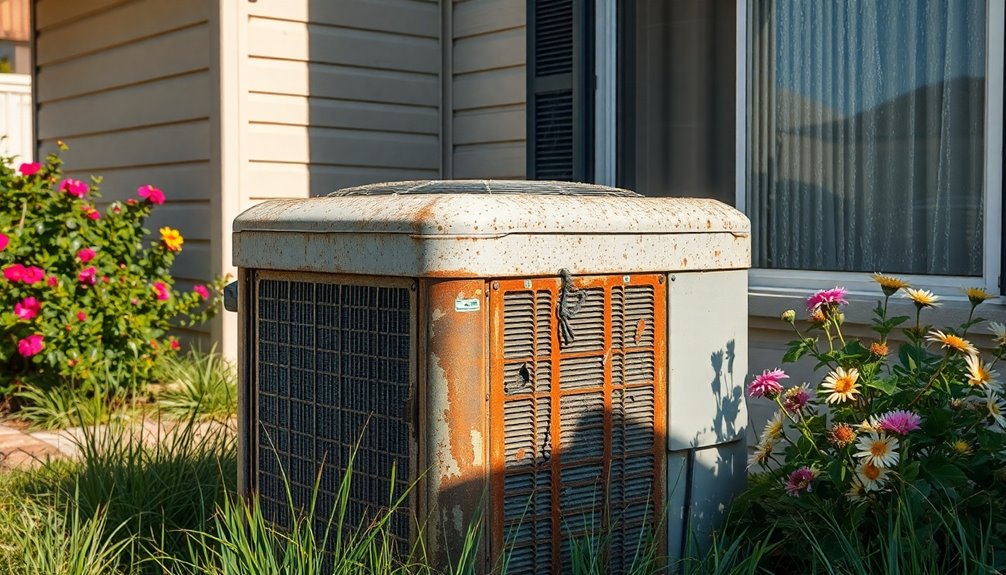
Many homeowners seem to have a knack for ignoring warning signs. A staggering 71% replace their HVAC only when it’s completely kaput. That’s like waiting until your car breaks down on the highway before deciding it’s time for a new one.
The average homeowner typically waits for multiple repairs, with 80% choosing to replace after their system has shown it’s not up for the job anymore. Talk about living on the edge! Additionally, homeowners often overlook the fact that long-term reliability is a crucial feature that should be prioritized when considering replacements. New systems require more specialized manufacturing expertise, which can increase initial costs.
And let’s not overlook the hidden costs of inefficiency. Older systems might still run, but they do so at a reduced efficiency, racking up those energy bills. A new, properly installed unit can mean immediate savings. So, delaying replacement isn’t just about the purchase price; it’s also about those pesky maintenance costs that keep piling up. Who wants to throw money away? Much like renters who need coverage regardless of their landlord’s policy, homeowners should recognize that personal property protection is a financial responsibility that cannot be deferred without consequence.
Researching an HVAC purchase can take about three weeks, with homeowners combing the internet and chatting with at least two contractors. They’re looking for the best deal, but that can lead to indecision. The irony? The more they delay, the more they risk facing a crisis down the line.
In the end, waiting might feel prudent, but it often backfires. It’s a little like playing with fire. Sure, you might get lucky, but more often than not, you’ll end up singed. So, savvy homeowners need to remember: delaying HVAC purchases can cost them in more ways than one.