
Design Highlights
- Review and compare multiple insurance quotes to find competitive rates and avoid overpaying on premiums.
- Consider increasing deductibles to lower monthly premiums, balancing potential out-of-pocket costs.
- Take advantage of discounts for bundling home and auto insurance policies with the same provider.
- Regularly assess your coverage needs to ensure you’re not paying for unnecessary add-ons or excessive coverage.
- Stay informed about regulatory changes aiming to improve insurance pricing and protect consumers from unfair practices.
Home insurance premiums have surged by 28% between 2017 and 2024, and the average cost now sits at a staggering $2,750. Meanwhile, actual claims costs haven’t risen nearly as fast. Between 2020 and 2024, homeowners’ insurance losses jumped 40%, yet prices soared by 52%.
It’s like they’re saying, “We’ll just keep raising prices, and you’ll keep paying.” Why? Because they can.
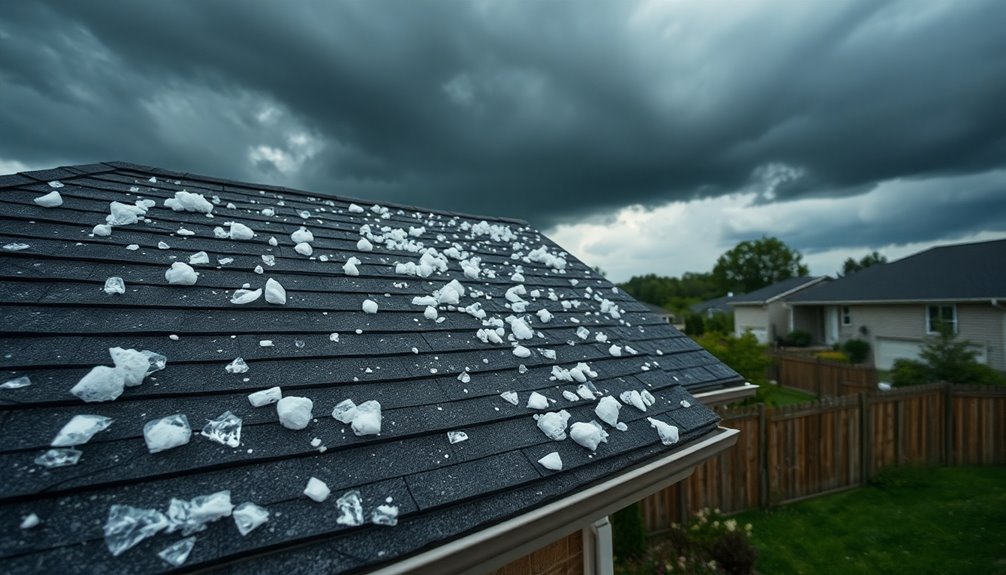
And let’s not forget climate disasters. Sure, rising construction costs play a role—about a third of the premium increases. But insurers love to use heightened disaster risks as a convenient excuse. Climate change has indeed made natural disasters more frequent and damaging, but the actual loss claims don’t align with the skyrocketing premium growth.
It’s baffling.
Plus, rising reinsurance costs are passed directly to consumers, meaning that the financial shield against catastrophic losses is making your insurance bill heavier. The secondary insurance market is driving up operational costs, and guess who gets to pay? That’s right—policyholders. Homeowners can offset some of these rising costs by choosing higher deductibles, with raising a deductible from $1,000 to $2,500 saving approximately $250 annually.
Regionally, it gets even crazier. In California, loss ratios are at 47.24% in 2024, despite being disaster-prone. How does that make sense? It doesn’t. It shows that pricing standards are all over the place. Some areas are getting charged a premium for, well, not much reason at all. Insurers paid out 62 cents for claims per $1 of premium collected in 2024, revealing a significant discrepancy between what consumers pay and what they receive in coverage.
Proposals for federal regulation are on the table, aiming to establish minimum loss ratios to challenge this absurd pricing. It’s about time someone held the industry accountable.
Until then, Americans will keep overpaying, and insurers will keep reaping the rewards. Isn’t it nice when the system works out for those at the top?