
Design Highlights
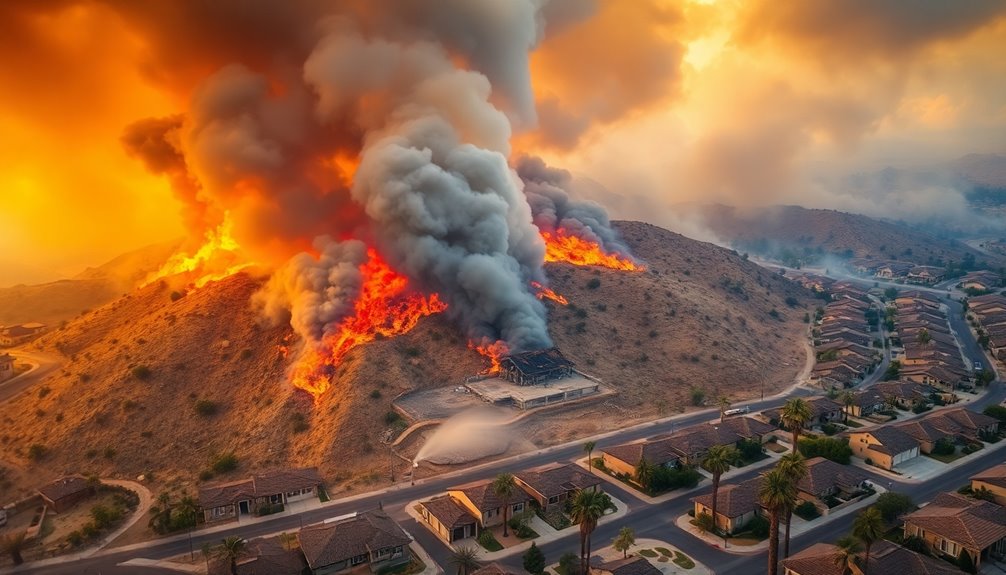
- The Palisades Fire in 2025 resulted in $40 billion in claims, highlighting the financial strain on insurers due to increasing wildfire risks.
- Proposition 103’s regulatory delays prevent timely rate hikes, compromising insurers’ ability to prepare for disasters and maintain profitability.
- A ban on modern risk assessment models forces insurers to rely on outdated data, leading to underpricing and market withdrawals.
- The FAIR Plan, California’s last-resort insurer, faces overwhelming demand with insufficient reserves, leaving homeowners with limited and costly coverage options.
- Homeowners face skyrocketing premiums and non-renewal notices, exacerbated by mortgage lenders mandating insurance and forced-placed coverage.
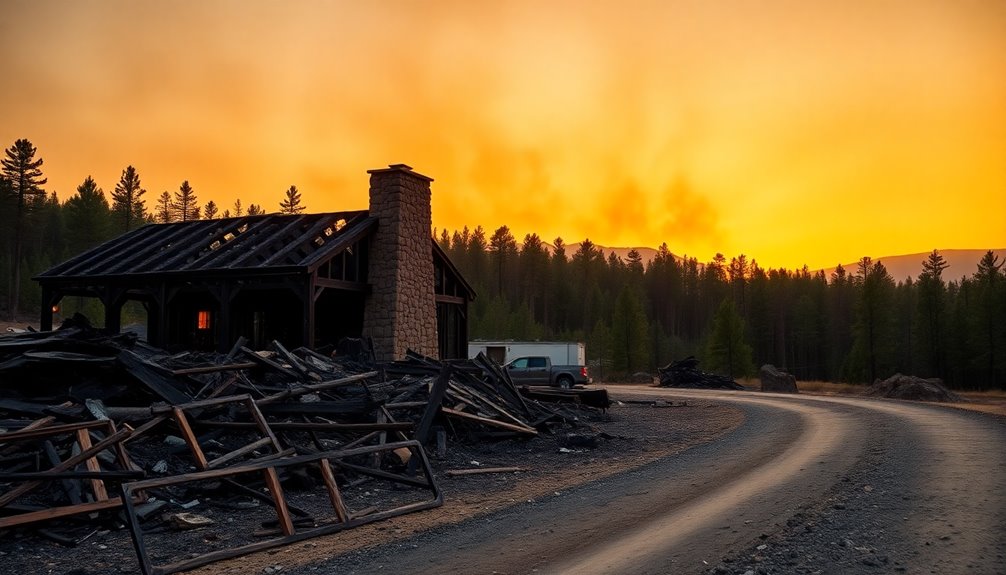
California’s insurance landscape is on fire—literally and figuratively. The recent Palisades Fire in 2025 alone racked up a staggering $40 billion in claims. It’s not just the flames; the frequency and severity of wildfires have skyrocketed, turning what was once a rare event into an annual catastrophe. Federal disaster declarations have doubled compared to historical averages, leaving insurers scrambling. Traditional risk pricing? Good luck with that—it’s now as unpredictable as the weather.
The roots of this mess can be traced back to Proposition 103, passed in 1988. Sure, it sounds noble—requiring insurance commissioner approval for any rate changes. But it’s a double-edged sword. The long approval process delays necessary rate hikes, and in good years, it caps profits. That’s not just a buzzkill; it prevents insurers from building reserves for those inevitable disasters. Fundamentally, it’s turned a once-competitive market into a regulated bureaucratic nightmare.
Proposition 103’s noble intentions have morphed into a bureaucratic nightmare, crippling insurers and jeopardizing disaster preparedness.
To make matters worse, there’s a ban on using forward-looking catastrophe models for wildfire risk assessments. Insurers are stuck using outdated historical data, which is like trying to drive a car using only a rearview mirror. This limitation means they either underprice their policies or withdraw altogether. Guess what? Major players like State Farm are already doing just that.
Since 2021, nearly 400,000 policies have been canceled. More than a dozen insurers have either dropped out or limited new policies. State Farm’s financial health has tanked—its policyholder surplus plummeted from $4 billion in 2016 to just $1.04 billion in 2024. They even requested a 22% emergency rate hike, only to be approved for a mere 17%. Talk about a rough day at the office.
The FAIR Plan, California’s insurer of last resort, is drowning in demand. With only $7 million in cash reserves against a potential exposure of the FAIR Plan’s $458 billion, it’s teetering on the brink of insolvency. Homeowners are left with expensive, bare-bones coverage. Good luck with that.
Regulatory failures pile on the problems. Elected commissioners shy away from approving rate hikes due to political pressures, while local rules delay fire-prevention measures. The lack of political incentives for rate increases has left insurers hesitant to adjust pricing in line with actual risks.
The entire system is straining. Homeowners are receiving non-renewal notices with no alternatives in sight. Premiums are rising faster than inflation. When mortgage lenders mandate insurance as a condition of financing, homeowners caught between canceled policies and unaffordable alternatives face the very real threat of force-placed coverage at even steeper costs. It’s a perfect storm of chaos, and it’s spreading beyond California. Welcome to the insurance meltdown, folks.