Senior renters are suddenly a force to be reckoned with. In fact, they jumped by 2.4 million in just ten years. This isn’t just a fad; it’s a lifestyle choice. Older folks want to dodge high property taxes and pesky home repairs while enjoying more freedom. But guess what? Their insurance needs are changing, too. With rising costs and fixed incomes, insurers better pay attention. Want to know how the industry can adapt? There’s more to this story.
Design Highlights
- Senior renters aged 65 and older surged by 2.4 million, challenging the stereotype of homeownership in older Americans.
- Rising costs and maintenance responsibilities drive seniors to choose renting as a lifestyle preference rather than solely for affordability.
- Increased demand for renters insurance reflects seniors’ unique needs, including coverage for high-value items and medical devices.
- Fixed-income constraints make affordable, tailored insurance options essential for cost-burdened senior renters.
- Insurers can capitalize on this demographic shift by offering flexible coverage limits and educating seniors on relevant policy features.
The Growing Segment of Senior Renters
The senior renter market is booming, and it’s not just a blip on the radar. From 2013 to 2023, renters aged 65 and older swelled by 2.4 million—an eye-popping 30% increase. Who knew older folks could be so adventurous? The 55 and older crowd is the fastest-growing demographic of renters in the U.S. And guess what? Places like Austin are seeing a staggering 80% jump in senior renters. It’s not just about affordability anymore; it’s a conscious choice. Many want to dodge property taxes and maintenance headaches. Plus, rising mortgage rates are nudging them towards renting. In fact, cost considerations are pushing many oldest seniors away from the most expensive metros. Additionally, a significant portion of the Silent Generation—around 80% plan to rent at least three years—shows that this trend is likely to continue. For senior renters making this transition, renters insurance personal property coverage can protect furniture, electronics, and clothing against risks like fire, theft, and vandalism. So, what’s the deal? It looks like the golden years are turning into the renting years, and it’s reshaping the housing landscape.
Impact of Demographic Changes on Senior Renters’ Insurance Needs
Senior renters are finding themselves in a whirlwind of change, and it’s not just about downsizing or ditching the lawnmower. With a 34% surge in adults aged 65 and over, this demographic shift is shaping insurance needs like never before.
The fastest-growing renter group? Yep, those 55 and older. They’re accumulating more stuff—think high-value items after selling homes—and need protection beyond basic policies. Additionally, more than half of renters are now over 40 years old, indicating a significant shift in the age demographics of the rental market. Furthermore, the median renter age of 40 years old highlights the growing maturity of this demographic.
But here’s the kicker: many are cost-burdened. Housing costs eat up their income, squeezing their wallets tighter than ever. They’re not just renting; they’re struggling to make ends meet. For senior renters relying on Social Security, claiming benefits early at 62 rather than waiting until 70 can result in a permanent 30% reduction in monthly income, leaving even less room to absorb rising housing and insurance costs.
With longer tenancies becoming the norm, insurers better pay attention. The landscape is changing, and senior renters are raising the stakes.
How Insurers Can Address the Needs of Senior Renters
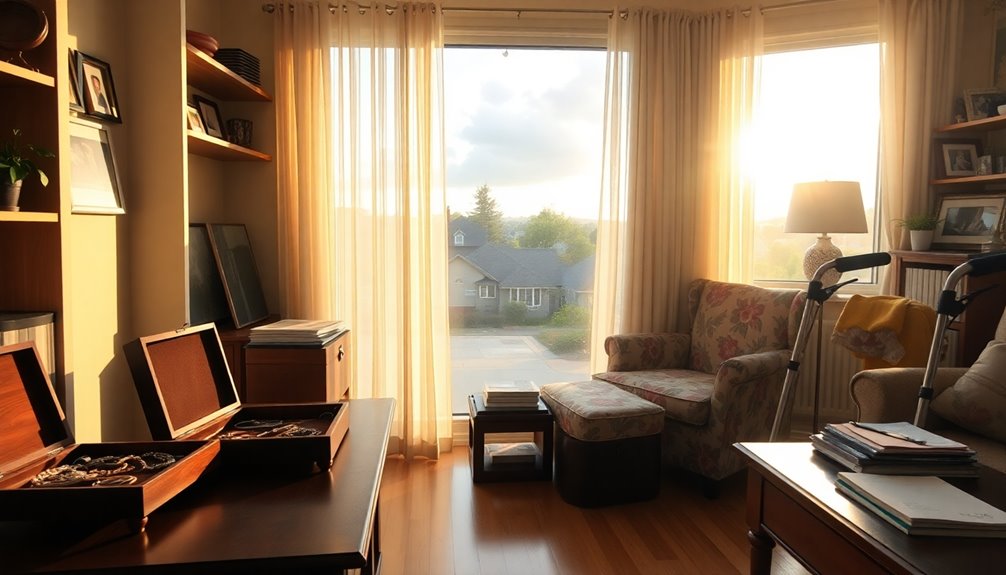
Maneuvering the insurance landscape can be a headache for older renters. Who knew insuring your stuff could feel like a full-time job? Insurers must step up, offering personal property protection that reflects the true value of accumulated belongings—like that vintage jewelry or specialized medical devices. Average renters insurance cost is around $18 a month, a small price for such crucial coverage. Liability coverage? Absolutely essential, especially when a guest trips over your walker. And let’s not forget loss of use coverage, because who wants to pay for a hotel after a water leak? Renters insurance keeps furniture, medical equipment, and meaningful possessions protected, ensuring peace of mind for seniors. Coverage limits should be adjustable; seniors often have more valuables than younger folks. Plus, make room for those medical gadgets in the policy. It’s all about making insurance relevant and affordable, especially for those on fixed incomes. Seniors living in high-risk geographic areas, such as Louisiana or Florida, may face elevated premiums due to natural disaster exposure, making it even more critical for insurers to offer flexible, budget-conscious options. Get it together, insurers!