Home insurance bills are skyrocketing, and it’s no mystery why. Climate change is exacerbating severe weather, leading to more claims and higher premiums. Factor in skyrocketing material and labor costs—thanks, inflation—and it’s a recipe for financial disaster. Reinsurance prices have more than doubled, leaving insurers scrambling and homeowners stuck with the bill. It’s a wild ride, and the aftermath is hitting wallets hard. Curious about what else is driving these eye-popping costs? Keep going.
Design Highlights
- Climate change has led to more frequent severe weather, resulting in higher claims and increased insurance premiums.
- Urban development in high-risk areas exposes homeowners to greater catastrophic losses, driving up insurance costs.
- Surging inflation has raised building material and labor costs, significantly increasing repair expenses for insurers.
- Reinsurance prices have doubled since 2018, contributing to two-thirds of the rising homeowner premiums.
- Insurers are tightening underwriting standards and coverage terms in response to escalating claims and financial pressures.
Why Severe Weather Raises Home Insurance Premiums?
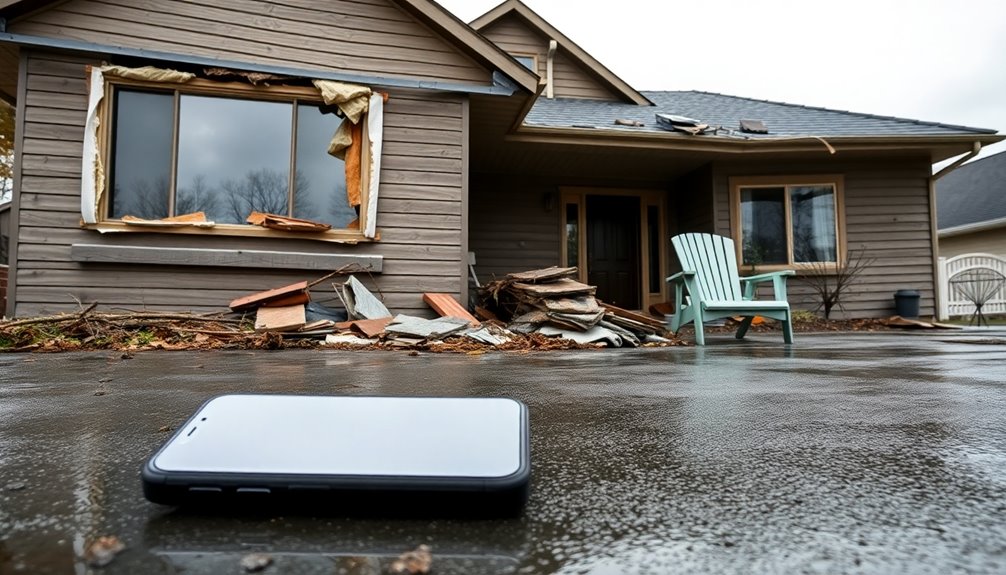
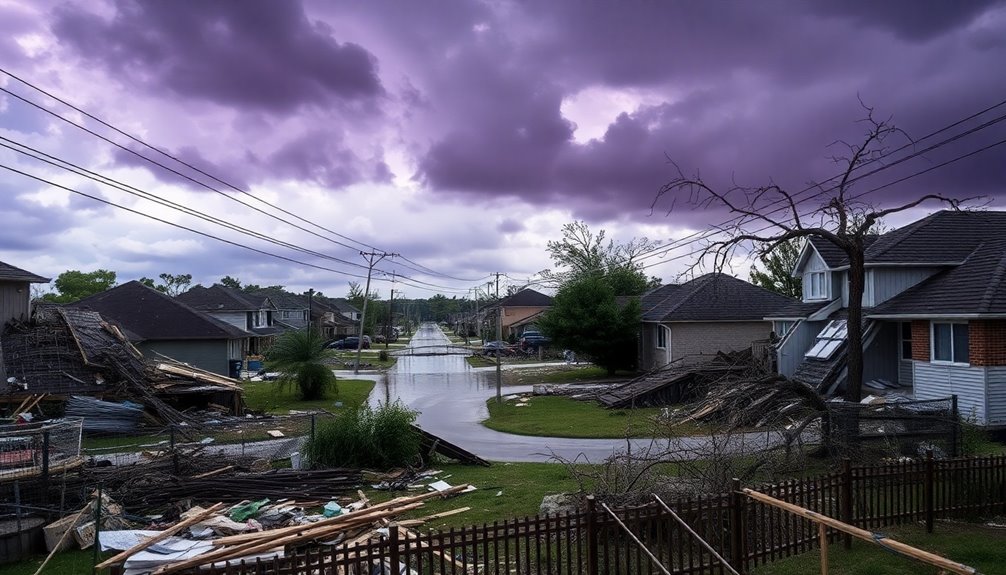
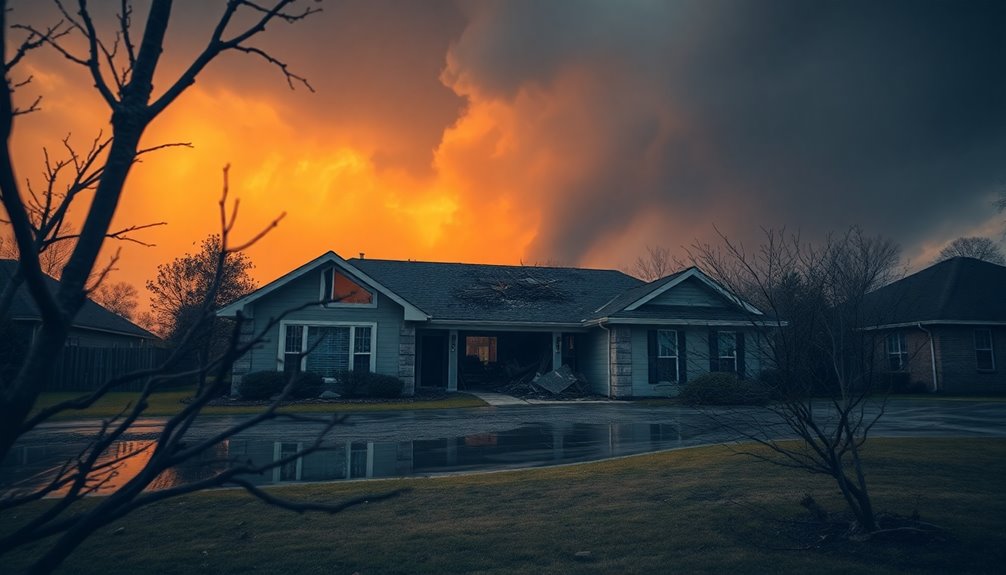
Severe weather isn’t just a nuisance; it’s a wallet-buster. Insurers are drowning in claims from storms, floods, and wildfires—all thanks to climate change. The frequency and intensity of these events are shooting up, making insurance companies rethink their pricing strategies. In Spain, experts are already blaming rising premiums on this not-so-friendly new normal. Imagine this: over $100 billion in insured losses each year since 2020. Yikes!
Urban sprawl in high-risk areas? That’s just asking for trouble. And let’s not even start on outdated building codes. They’re like a bad joke—except this one’s on homeowners. When homes can’t handle the weather, it’s the policyholders who pay. Notably, the increased frequency of severe weather events has prompted insurers to adopt stricter underwriting and revised coverages. In fact, the main drivers in 2025 include floods, windstorms, and heavy rains causing exceptional numbers of claims.
Approximately 60 percent of U.S. single-family homes built since 1990 are located in wildland-urban interface zones, making an already strained insurance market even more vulnerable to catastrophic losses. Welcome to the new age of insurance: expensive and unpredictable.
How Inflation and Rising Material Costs Impact Premiums
Homeowners aren’t just grappling with storm damage; they’re also feeling the sting of rising costs in every corner of their lives. Building materials? Skyrocketing. Lumber prices have ballooned, making repairs a wallet-draining affair. And let’s not forget labor costs—up 37% since 2018. Who knew hiring a contractor could hurt so much? With higher claim costs driving up insurance premiums, it’s no surprise that many are feeling the pressure.
With inflation pushing materials and labor higher, insurers are forced to raise premiums. It’s simple math: rising costs mean bigger claims, which means you pay more. Between 2019 and 2024, insurance rates soared 62%, leaving inflation in the dust. Notably, the replacement cost calculations are directly impacted by these price increases. So, while your roof might stay the same, your premiums won’t. Welcome to the world of home insurance, where everything costs more, and your wallet feels it. Global insured losses from disasters reached $100 billion in just the first half of 2025, compounding the financial strain on insurers already stretched thin by surging material and labor expenses.
How Reinsurance Costs and Local Risks Affect Your Premiums
In the unpredictable world of home insurance, reinsurance costs play a sneaky but critical role. Think of reinsurance as insurance for insurers. It cushions them against catastrophic losses from hurricanes and wildfires. But guess what? Those costs aren’t regulated like your regular premiums, so they can skyrocket overnight.
From 2018 to 2023, property catastrophe reinsurance prices doubled. Yep, doubled! This surge explains about two-thirds of the rising premiums homeowners face today. Areas with high disaster risks? They feel it the hardest. Premiums soar, while risks pile up. Insurers, in their quest to stay afloat, might raise deductibles or scale back coverage. In fact, home insurers paid $15.2 billion for losses in 2023, marking the worst year for the industry since 2000. Additionally, natural disasters are becoming more frequent and costly, putting even more pressure on insurance rates. States like California and Florida already carry some of the highest premiums in the nation due to their elevated natural disaster risks. So, if you’re in a risky spot, brace yourself for those bills. Welcome to the wild world of insurance pricing!