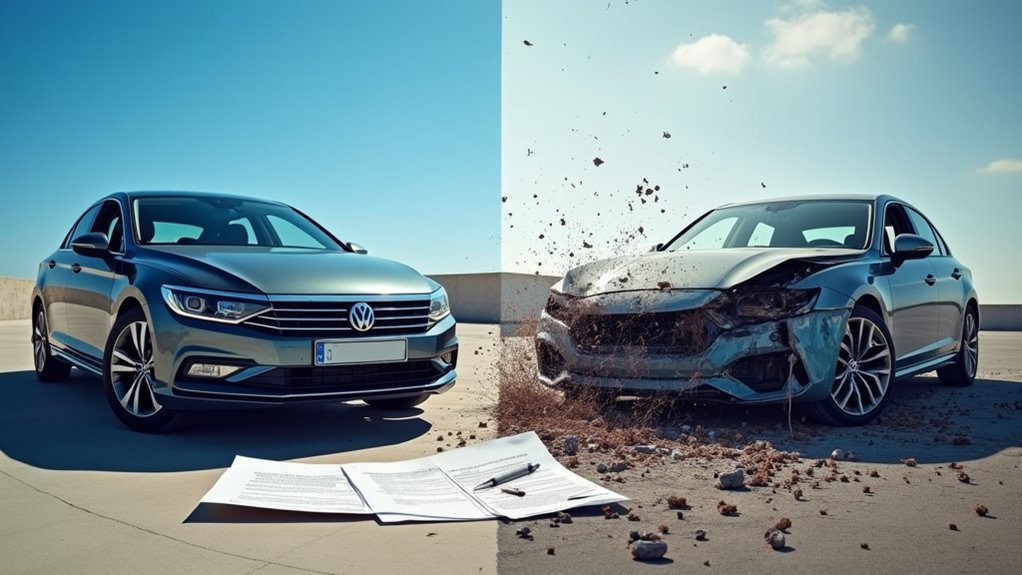

Car insurance for drivers under 25 still carries sky-high rates in 2026, and it’s not hard to see why. Insurers see age as a red flag. The youthful crowd tends to crash a lot, especially when speeding or distracted. Young men? Even worse—with premiums skyrocketing. Add to that, states vary wildly on pricing, and young drivers often have fewer discounts. It’s a racket, really. But there’s more to unpack about how these numbers add up.
Design Highlights
- Insurers view age as a predictor of accident risk, placing drivers under 25 in the highest-priced tier.
- Young drivers, especially men, face higher premiums due to statistically higher crash rates and risky behaviors.
- Inexperience leads to poor hazard recognition, making first months of driving particularly dangerous for teens.
- Gender-based pricing persists, with young men often paying more than young women, though some states have banned this practice.
- Risky driving habits, like speeding and distracted driving, contribute to higher crash rates, which in turn elevate insurance premiums for young drivers.
Why Do Young Drivers Pay More for Insurance?
Why do young drivers pay more for insurance? It’s simple: age is the villain here. Insurers love to use age as a crystal ball for predicting accidents, and guess what? Those under 25 are lumped into the highest-priced tier. A 20-year-old pays about 102% more than the national average.
Ouch! Teenagers? They’re racking up bills like it’s a game—around $5,040 a year, compared to just $2,324 for the average driver. Younger drivers are statistically more likely to be involved in accidents, which contributes to their high premiums. Safer cars with high crashworthiness can help lower rates, but many young drivers may not have access to such vehicles.
And let’s not forget the gender gap; young men typically face even steeper rates. They crash more. It’s not fair, but it’s the reality. So, while older drivers enjoy lower premiums, young ones are stuck in the price pit, paying dearly for their inexperience. Young drivers can also benefit from investigating discounts for bundling their auto insurance with other policies to help offset some of these elevated costs.
How Inexperience and Risky Driving Behaviors Increase Premiums
How does inexperience lead to skyrocketing insurance premiums? It’s simple: insurers see young drivers as a big gamble. Limited experience means less hazard recognition. Those first few months? A disaster waiting to happen.
- Teen drivers have a fatal crash rate nearly three times higher than older folks.
- Speeding? It’s a teen’s best friend—30% of fatal crashes involve excessive speed.
- Distracted driving? Texting while driving increases crash risk sixfold.
- Nighttime? Forget it. Over 20% of teen fatal crashes occur late at night. Inexperience hampers hazard response. Additionally, driving after drinking is reported by 5.5% of high school students, contributing to overall impairment risk.
All these risky behaviors scream uncertainty. Insurers can’t ignore the numbers. Higher crash rates mean higher premiums. It’s like a bad lottery ticket—paying more for the chance to crash. Much like how academic performance trends can trigger a college to revoke a student’s acceptance, a pattern of risky driving behaviors signals to insurers that a young driver is too unpredictable to reward with lower rates.
How Gender and Policy Choices Impact Young Driver Insurance Rates
Is it fair that a young driver’s insurance premium can hinge on their gender? In most states, it absolutely can. Young men often pay more than young women, especially under 25. It’s like a cruel lottery, depending on where you live. Eight states have banned gender-based pricing, but many haven’t. So, identical drivers can get wildly different quotes just because of their address. Policy choices matter, too. Bundling with a family plan can save cash, while standalone policies can sting. Add optional coverages? Get ready for higher bills. Discounts exist**, like good student perks, but let’s face it: navigating this insurance maze is exhausting. When comparing plans, it helps to carefully evaluate deductibles and co-pays to understand the true cost of any policy before committing. In most places, men pay more for car insurance than women because of statistical likelihoods associated with claims. Young drivers deserve better than being just a statistic in an insurer’s profit margin. Statistics show elevated fatal crash rates per mile for ages 16–19 highlight the underlying risk factors that contribute to these pricing disparities.