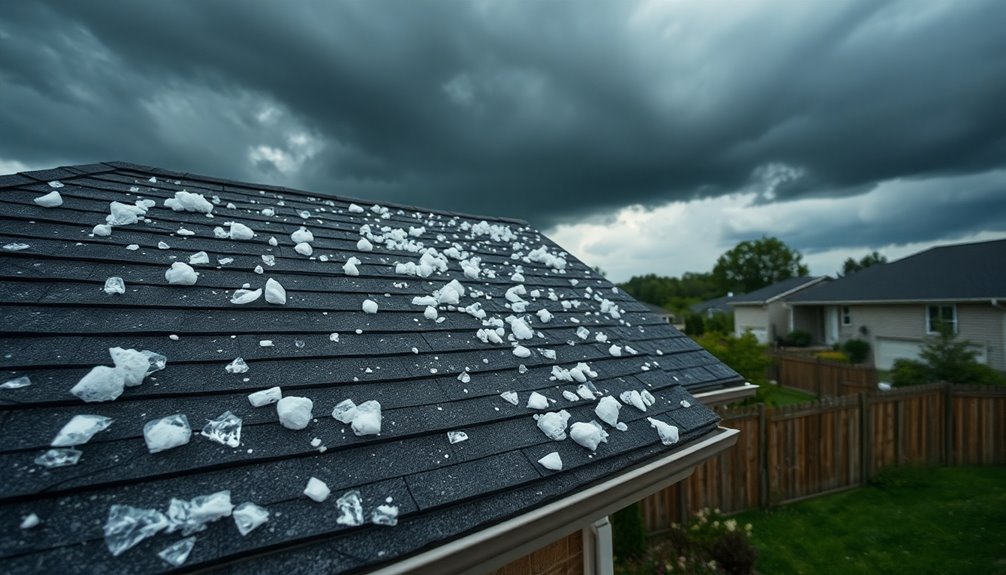

When rain reveals a construction defect, don’t expect your insurance to magically cover it. Typical policies don’t cover damage from faulty construction—just the aftermath of an actual storm. That’s right, water pouring in through a poorly built roof often leads to a denial, while other hidden leaks? Forget it. So, if water’s wreaking havoc, it’s all on you. Want to navigate these tricky waters? There’s more to unpack here.
Design Highlights
- Insurance may cover water damage from sudden rain exposure, but initial construction defects are typically excluded from standard policies.
- Document all damage thoroughly, including photos and weather conditions, to strengthen your claim regarding construction-related issues.
- Engage professionals to assess the damage and establish a clear link between rain exposure and the construction defect.
- Temporary repairs are often covered; act quickly to stabilize the property and document all expenses incurred.
- Maintain meticulous records of communications and repairs to aid in appealing any denied claims related to construction defects.
What Insurance Covers Rain Damage From Construction Defects?
What exactly does insurance cover when rain comes knocking due to construction defects? Well, it’s a mixed bag. If a hurricane blows your roof off, and rain pours in, you might be in luck. Insurance often covers that damage.
But here’s the kicker: if the rain sneaks in through an old crack or a leaky roof because you never bothered to fix it, good luck with that claim. You’re likely out of luck.
Water damage that builds up slowly? Nope, not covered. And if faulty construction causes a leak, you might get coverage for the resulting water damage, but the initial defect? That’s on you. A faulty roof assembly design can lead to significant issues, and when it rains, it pours—just not in your favor if you’re negligent. Additionally, many policies provide coverage for temporary repairs after damage occurs, ensuring you can stabilize the situation while contacting your insurer.
Homeowners should also be aware that insurers have been known to employ claim denial strategies that classify legitimate damage as wear and tear, leaving policyholders responsible for costs that should rightfully be covered.
Identify Key Exclusions in Your Policy
How can anyone be surprised when their insurance doesn’t cover water damage? It’s like expecting a lifeguard to save you after you plunge into a kiddie pool.
Standard policies often have glaring exclusions. Floods? Nope, not covered. Groundwater seepage? Forget it. If water’s coming from the ground, good luck. What about that leaky roof? Oh, that’s on you. Insurers love to deny claims for maintenance issues or neglect. If you didn’t fix that dripping faucet, guess what? You’re paying for it. Water exclusion clauses are a common feature in property insurance policies, meaning many forms of water damage may not be covered. Additionally, damage from natural flooding is typically excluded from standard homeowners policies.
And let’s not even get started on sewage backups. Rain might be falling from the sky, but if it seeps in through a pre-existing hole, you’re out of luck. It’s a messy game, and you’re not winning. Homeowners should also know that separate coverage is required for floods and earthquakes, as standard policies explicitly leave these perils out.
Documenting Your Insurance Claim
Documenting an insurance claim is no walk in the park.
First off, notify your insurer ASAP—don’t wait until the roof’s caved in. Record the date you reached out. It’s all about the timeline, folks. Keep that original notice, whether it’s a physical letter or a text.
Snap photos and videos of the damage from every angle. Seriously, multiple angles. Don’t forget the timestamps; they matter. Document visible cause to strengthen your case.
Maintain a detailed log of every interaction. Weather conditions? Document them, too—rain’s a sneaky culprit. Knowing whether your claim falls under Commercial General Liability (CGL) insurance can help streamline the process.
Bring in the pros for assessments. They know their stuff. Keep detailed records of all communications with your insurer, including representative names and call summaries, to build a strong paper trail for appeals if your claim gets denied.
Finally, organize everything. Contracts, receipts, photos—make it neat. Because when it rains, you want your claim to shine, not drown in chaos.