
Design Highlights
- The $0 Medicare Advantage plan initially seemed economical but has high out-of-pocket maximums, such as $9,250 for major health events like strokes.
- After a stroke, inpatient rehab costs can exceed $17,000, with Medicare covering only the first 60 days.
- Skilled nursing facility stays cost patients $0 for the first 20 days, but daily co-pays apply afterward, leading to potential high expenses.
- Outpatient therapy and durable medical equipment incur 20% coinsurance after a deductible, adding to recovery costs significantly.
- Medicare Advantage plans can lead to unexpected financial burdens, especially after major health incidents, unlike more predictable Medigap plans.
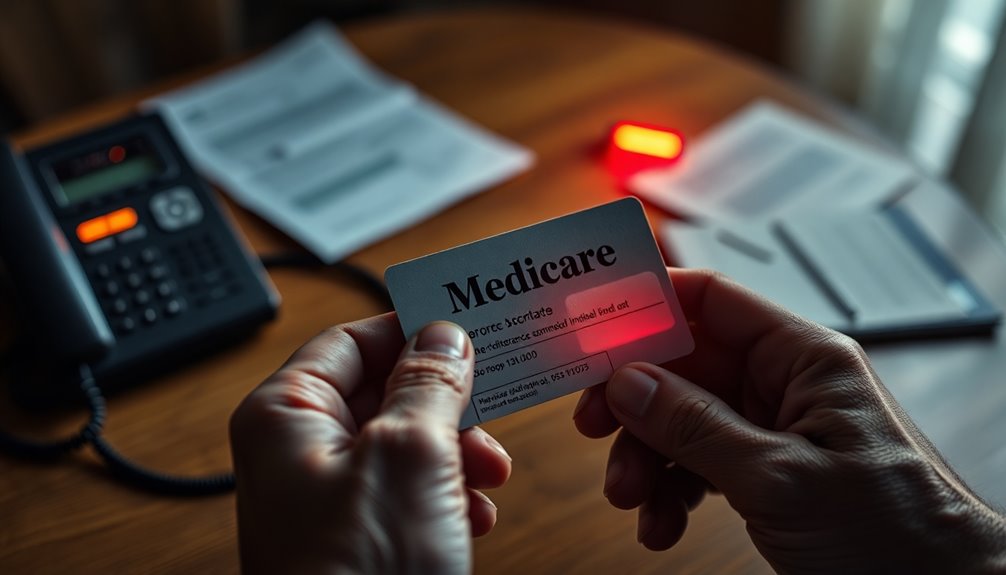
Maneuvering the costs of a Medicare Advantage plan after a stroke can feel like a high-stakes game of Monopoly—with a lot of unexpected expenses lurking around every corner. Take the case of a woman who, at 65, picked a $0 Medicare Advantage plan. Sounds great, right? Fast forward to age 71, and a stroke hits. Suddenly, her seemingly perfect plan turned into a financial nightmare. A staggering $9,250 out-of-pocket maximum loomed large.
Let’s break it down. After her stroke, she faced the harsh reality of rehabilitation costs. Inpatient rehabilitation alone could exceed $17,000 in that pivotal first year. Sure, Medicare covers the first 60 days, but good luck with the $389 daily co-pay for days 61 through 90. And if you think you can sit back and relax after that, think again. The lifetime reserve days? Limited to 60. After that, it’s all on her—full price, please.
Then there’s the skilled nursing facility (SNF) dance. The first 20 days? Covered at $0 if there was a three-day hospital stay. Day 21 onward? A daily co-pay of around $209.50. If that doesn’t send chills down your spine, what will? After day 100, it’s an all-you-can-pay buffet, and she’s left holding the check.
Outpatient therapy? Don’t get too comfortable. Expect to shell out 20% coinsurance after meeting a deductible. And let’s not forget the durable medical equipment—wheelchairs, walkers, and all that jazz—each comes with its own hefty price tag. A 20% coinsurance after a $257 annual deductible? Who knew recovery could be so pricey? Additionally, she must navigate a plan with a maximum out-of-pocket of $5,200.
Moreover, stroke survivors face increased risk of recurrence, which can lead to further medical expenses and complicate recovery efforts. Understanding the difference between Medigap and Medicare Advantage before enrolling could have provided her with significantly more predictable cost protections during a catastrophic health event like this one.
And even if she found a plan with a lower out-of-pocket maximum, like $2,950 or $5,200, it still feels like a gamble. All her expenses accumulate towards that maximum, but what about those pesky emergency services that might not even count?
Choosing a plan seemed straightforward at first. But a stroke changes everything. The plans she thought would have her back turned into a maze of costs and confusion. Recovery is hard enough without the added financial burden. In the end, it’s a stark reminder: sometimes, the best-laid plans can lead to unexpected costs that leave you scrambling for answers, not to mention the money.