
Design Highlights
- Stay Informed: Educate yourself about common scams targeting seniors, including impostor calls and unsolicited visits.
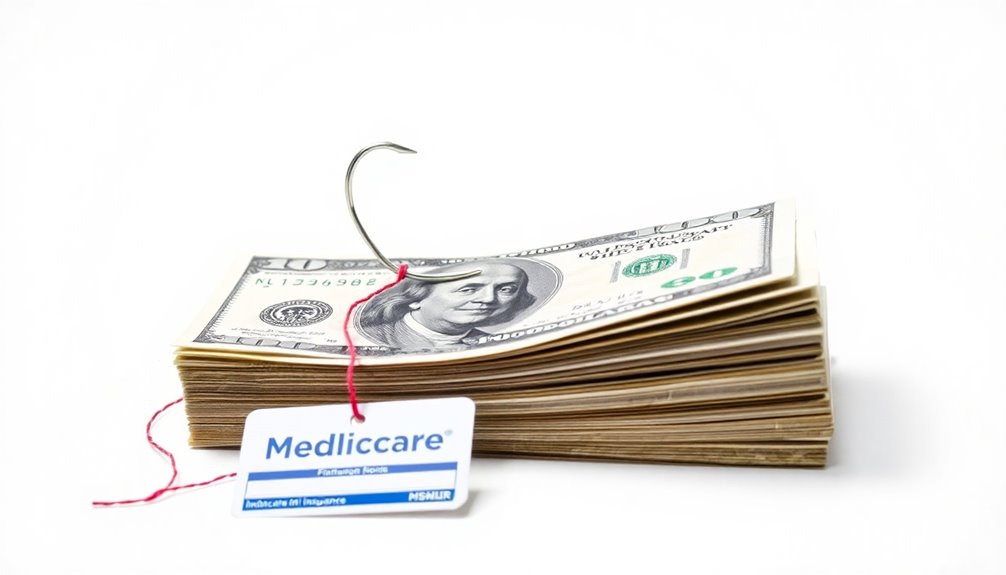
- Protect Your Information: Treat your Medicare card like a credit card to prevent unauthorized use and identity theft.
- Monitor Statements: Regularly review your Medicare statements for unusual charges or services you did not receive.
- Report Suspicious Activity: Immediately report any suspected fraud to authorities to help prevent further losses and protect others.
- Utilize Resources: Take advantage of resources available during Medicare Fraud Prevention Week to learn about warning signs and prevention strategies.
The scams are slick, too. Think impostor calls offering “amazing” medical services or unsolicited visits from strangers with dubious intentions. Identity theft is the name of the game, and it’s happening right under the noses of unsuspecting seniors. The warning signs? They’re everywhere. Unusual charges on Medicare statements? Red flag. Services that were never received? Another red flag. It’s like a game of fraud bingo, and the scammers are winning.
Hawaiʻi’s fraud prevention efforts aren’t just about throwing out warnings; they’re framing fraud as a financial crime and a medical-identity threat. The state is aware that older adults often rely on mailed notices and phone calls, making them prime candidates for deception. Fraudsters know this, and they’re exploiting it. AI-assisted scams? Deepfake schemes? Welcome to the future of Medicare fraud, where technology meets trickery. This is why it’s crucial to treat your Medicare card like a credit card, as its number is valuable to thieves.
Nationally, Medicare loses about $60 billion a year to fraud and abuse—some estimates even go as high as $70 billion. That’s a big deal. And it’s not just about dollars and cents; it’s about trust. When scams run rampant, it shakes the very foundation of how seniors view their healthcare. During the upcoming Medicare Fraud Prevention Week, residents will have access to various resources aimed at combating this issue.
Hawaiʻi isn’t sitting idly by, though. The Medicaid Fraud Control Unit is working with multiple managed-care organizations to investigate these scams. And let’s just say they’ve ramped up their game. Open investigations have skyrocketed from 64 in 2015 to a peak of 685 in 2022. Much like how bundling home and auto insurance can reduce financial losses for everyday consumers, coordinated multi-agency efforts are essential to reducing the billions lost to Medicare fraud each year.
But here’s the kicker: despite all that effort, the indictment and conviction rates have been shockingly low. From 2011 to 2013, there were only nine fraud indictments. Nine. That’s like a drop in a bucket.