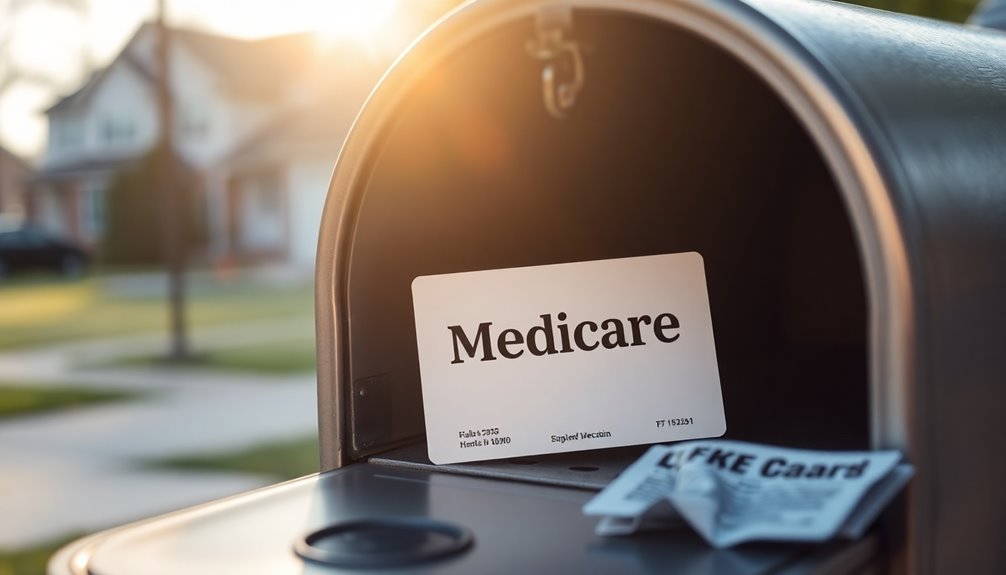
Got a new Medicare card in your mailbox? Awesome, but hold up! Scammers thrive on urgency and fear, trying to trick you into giving up personal info. Real cards are basic: red, white, and blue, with no fancy gimmicks. If you get a request for payment or urgent threats, it’s probably a scam. Familiarize yourself with red flags. Curious about how to spot the real from the fake and stay safe? There’s more to uncover!
Design Highlights
- Real Medicare cards are red, white, and blue, labeled “Medicare Health Insurance,” and do not contain personal information like addresses or Social Security numbers.
- Scammers create urgency with phrases like “Act now!” to pressure individuals into providing personal information or payments.
- Legitimate Medicare communications avoid urgent tactics and never request payment for card replacements or threaten coverage cancellation.
- Trust your instincts; if a card or communication feels suspicious, verify through official Medicare channels before taking action.
- Educate yourself about common scams and report any suspicious activity to 1-800-MEDICARE or through online fraud reporting options.
Identifying Medicare Card Scams: Know the Real Cards
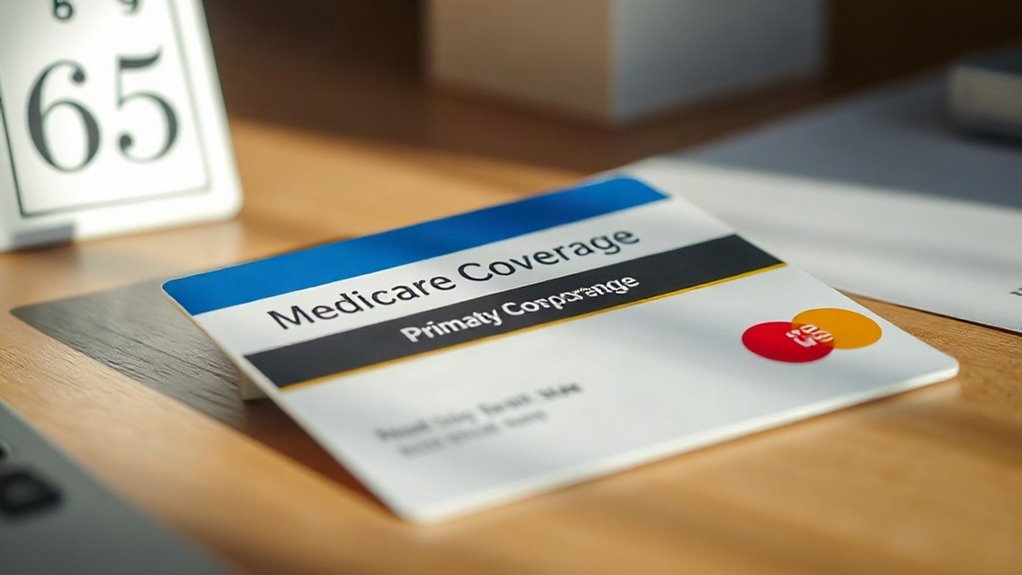
How can someone spot a Medicare card scam? First, check the card. The real deal is a red, white, and blue paper card with “Medicare Health Insurance” at the top. It flaunts your name, a unique Medicare number, and coverage dates. If it’s plastic or looks too fancy, toss it. A legitimate card uses a clean design, no personal info like your address, and definitely no Social Security number. Oh, and if someone’s asking for money to replace your card? Red flag! Medicare doesn’t charge. They won’t threaten to cancel your benefits, either. Always remember to protect your Medicare Number like a credit card; sharing it only with trusted providers is essential. If you ever need a replacement, you can request one through Medicare.gov without paying any fee. Additionally, most beneficiaries receive their Medicare card about three months before their 65th birthday.
Recognizing Emotional Triggers in Medicare Scams
When it comes to Medicare scams, emotional triggers are the name of the game. Scammers thrive on urgency. “Act now or lose coverage!” Sound familiar?
They love creating fear—threats of canceled benefits are a favorite tactic. Who wouldn’t panic?
Then there’s the authority angle. “I’m from Medicare!” they say, as if that’s enough. Spoofed numbers make it all too easy. Intentional submission of false information is a common tactic used to manipulate victims.
And let’s not forget the bait: promises of free stuff or refunds that are “too good to be true.” Confusion? Oh, they excel at it. Mixing real issues with fake urgency just makes it worse. In fact, during Medicare Open Enrollment, healthcare scams spike as scammers take advantage of the heightened anxiety among beneficiaries.
In this emotional minefield, it’s easy to get overwhelmed and misled. Remember, Medicare will never pressure you into an urgent decision or threaten to cancel your benefits—these are hallmarks of fraudulent caller behavior. Beware—this isn’t just a game; it’s your personal information at stake.
What to Do About Medicare Card Scams?
Maneuvering the murky waters of Medicare card scams can feel like dodging bullets in a war zone.
First off, report any suspicious activity—call 1-800-MEDICARE and don’t be shy. If the phone isn’t an option, there’s an online fraud report waiting for you.
Treat your Medicare number like gold; don’t hand it out to random callers. Only share it with trusted professionals. Remember that Medicare scams often involve offers that seem too good to be true, prompting you to share personal information.
And remember, Medicare cards are free—no payments, no rebates. Got a new card? Destroy the old one; don’t just toss it. Fraud can go undetected because Medicare coverage may absorb costs, leaving victims unaware of the scam.
Keep an eye out for unusual charges on your Medicare Summary Notice. The Arkansas Senior Medicare Patrol offers education, counseling, and fraud-prevention training to help beneficiaries, families, and caregivers identify and report suspicious activity.
Finally, if a call feels fishy, trust your gut. Hang up and verify. Better safe than sorry!