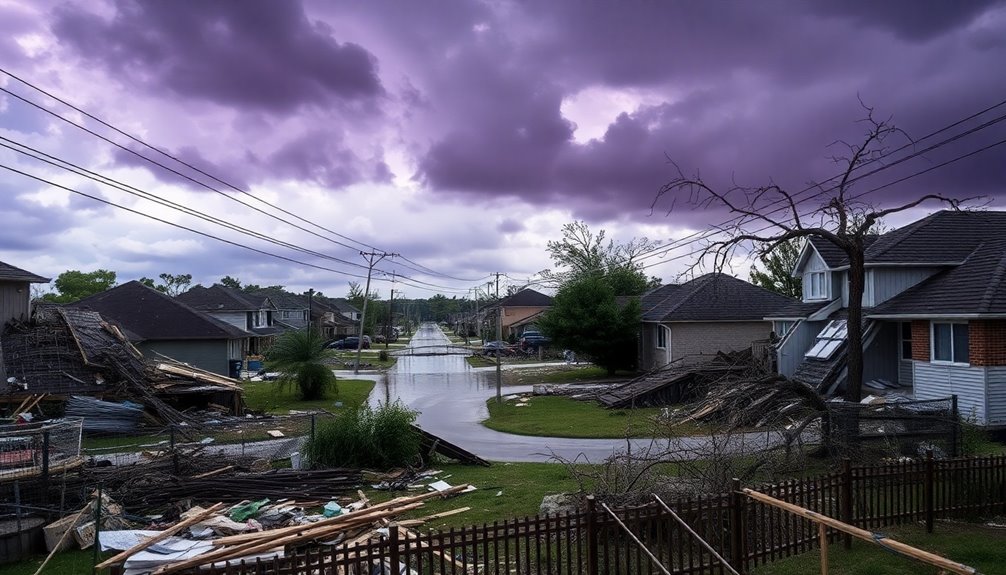

Design Highlights
- Verify if your homeowners or renters insurance covers floods and earthquakes; these are often excluded from standard policies.
- Understand your policy’s valuation method; replacement cost provides better coverage than actual cash value for damaged items.
- Review your coverage limits and deductibles to ensure you won’t face significant out-of-pocket expenses during a disaster.
- Consider purchasing supplemental flood or earthquake insurance, especially if you live in high-risk areas.
- Keep critical insurance documents easily accessible and updated to facilitate quick claims during emergencies.
What’s the worst that could happen? A disaster strikes, and suddenly your insurance policy is about as useful as a chocolate teapot. Most people assume their homeowners insurance has them covered for everything. Spoiler alert: it doesn’t. Sure, it might handle fire and storm damage, but flood and earthquake damage? Good luck with that! Flood insurance is a separate beast, often sold separately. Earthquake coverage? A rare add-on. Renters, don’t think you’re off the hook either. Storms and fires? Yes. Floods and quakes? Nope.
Let’s talk about replacement cost versus actual cash value. Think you’re getting full value back for your stuff? Not with actual cash value. That just pays you a depreciated amount. Imagine this: your sleek new TV bought for $1,000 is now worth $200 because, well, time. Replacement cost is the golden ticket, paying out what it takes to replace your property at current prices. Regularly reviewing your insurance policies can help ensure you’re adequately covered for potential risks.
But here’s the kicker—if you’re underinsured, you could be left holding the bag when inflation and building costs come knocking. Regularly updating your knowledge on local climate risk statistics can help ensure you’re prepared for potential disasters, which can affect your insurance needs.
And what about deductibles? Those pesky amounts you have to fork over before the insurance kicks in. You might think they’re just a minor detail, but they can turn into a nasty surprise. Payout limits also exist, capping your recovery even if your house gets leveled. And exclusions? They’re the fine print that can leave you high and dry. Review your policy before disaster strikes, or you might find out too late that you’re not covered for that tornado you thought was just a summer breeze.
Now, let’s not forget supplemental policies. Flood insurance? Yes, please! You can buy it through FEMA or private insurers—even if you’re not in a high-risk zone. Earthquake insurance? Same deal. If you live in a disaster-prone area, you might need a few add-ons to cover those local risks. Keep in mind that standard flood insurance does not cover temporary housing or living expenses while your home is being repaired after a flood.
Lastly, keep your critical information readily accessible. When disaster hits, you won’t have time to search for your policy numbers or tax records. And if you’re using your home or car to make some extra cash? Better check with your insurer. Those gig economy gigs might change your coverage.