
Design Highlights
- The shift to virtual adjusting may compromise thoroughness, risking inadequate damage assessments and lower insurance standards.
- Faster claims processing through virtual methods often prioritizes speed over accuracy, impacting overall settlement quality.
- Digital tools enhance efficiency but may lead to superficial evaluations, reducing the depth of inspections.
- State compliance requirements can force physical inspections for high-value claims, indicating a gap in virtual adjuster reliability.
- Ongoing reliance on virtual adjustments could diminish industry standards, affecting consumer trust and satisfaction over time.
In the world of insurance, claims adjustments can feel like watching paint dry—slow and painfully tedious. Yet, the industry is undergoing a transformation with the rise of virtual adjusting. Claims that once dragged on for one or two weeks can now wrap up in just two to three days. Sounds great, right? But hold your applause, because while speed is nice, it raises some serious questions about quality.
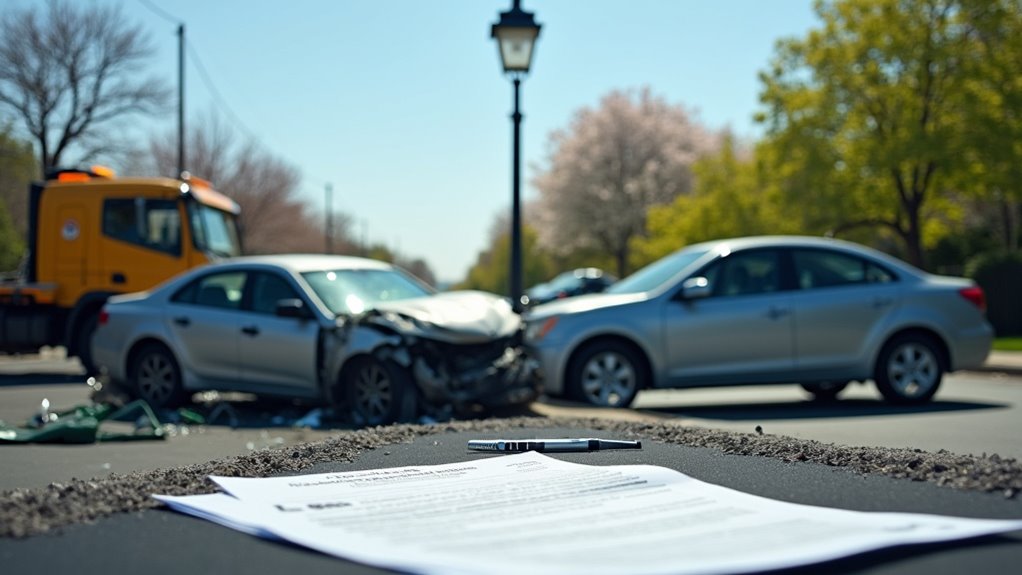
Virtual adjusting eliminates travel time, which means adjusters can process more claims. It doubles the number of accessible adjusters since they can work remotely. This might lead one to believe that customer service could soar. Convenient options? Flexible schedules? Yes, please! But let’s not forget: the downside is that some claims need that hands-on, in-person inspection. Without it, there’s a risk of underestimating repair costs. Isn’t that a delightful thought when you’re hoping for an accurate payout?
Virtual adjusting boosts efficiency and accessibility, but it risks underestimating repair costs without that essential hands-on inspection.
The efficiency improvements are real. Claims can be settled faster, and adjusters can focus on more assignments. Who wouldn’t want that? But the reliance on digital tools raises eyebrows. Security concerns? Absolutely. Plus, some states mandate physical inspections for high-value claims. So, what’s the point of virtual adjusting if it can’t even handle the big stuff? Workers’ compensation claims are no exception, as state compliance requirements can dictate whether a virtual or in-person inspection is necessary to meet coverage standards.
Customer experience looks shiny on the surface. Virtual options cater to policyholders’ preferences, and scheduling becomes a breeze. But let’s be honest: a fast settlement won’t mean much if the damage assessment is spotty. The reality is, while technology integrates beautifully with tools like HOVER and AR for damage analysis, it can’t replicate the thoroughness of an adjuster on-site. Additionally, cost-efficient claims processing has emerged as a significant advantage of virtual adjusting, enticing insurers to embrace these methods. This shift toward improved efficiency in claims processing may inadvertently compromise the detail-oriented nature of traditional inspections.
The industry has adopted these methods out of necessity, especially during COVID-19. But is it a trend that’s here to stay or just a temporary fix? As insurers adapt, they risk lowering inspection standards. The balance between speed and thoroughness is precarious. Yes, cost savings are great, but at what point do we sacrifice quality for convenience?
In the end, the shift toward virtual and inspection-only adjustments may be setting the stage for a new norm. One where speed trumps accuracy, and the standards we once held sacred slip quietly into the background. Welcome to the future of insurance, where faster might not always mean better.