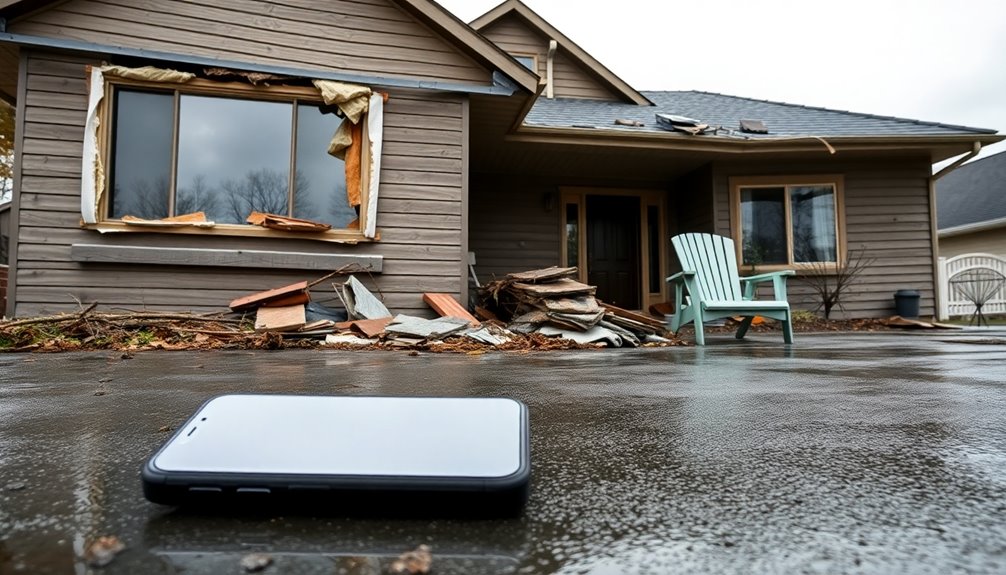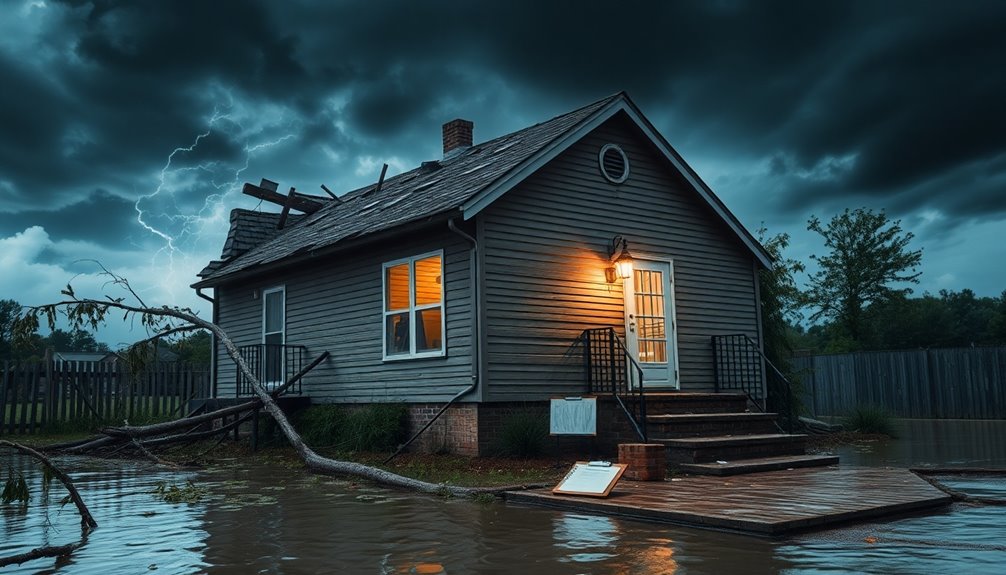

Home insurance might look reliable, but it can easily pull a disappearing act when disaster strikes. Many policies hide serious gaps, like excluding flood damage or earthquake coverage. Homeowners think they’re protected, only to find out they’re not. Rising premiums won’t help, either. In short, your cozy safety net could be a flimsy hammock. Want to find out what else could leave you stranded when things go south? Keep on exploring.
Design Highlights
- Many standard policies exclude critical coverage like flood and earthquake damage, which can lead to significant gaps during disasters.
- Homeowners should review policy details, including limits and deductibles, to ensure adequate protection in the event of a major disaster.
- Endorsements for specific risks, such as flood or sewer backup, are essential to fill coverage gaps that standard policies may leave.
- Documenting possessions with photos before disasters can support claims and ensure you receive the compensation you deserve.
- Regional risk factors and ongoing premium increases necessitate proactive policy assessments to avoid underinsurance during a crisis.
Is Your Home Insurance Coverage Adequate and Affordable?
Is your home insurance coverage really adequate and affordable? With premiums skyrocketing, it’s a fair question. By 2026, the average annual cost is expected to hit $3,057—up 4% from 2025. That’s a hefty chunk of change! In Florida, homeowners might gasp at an average of $6,432 for coverage that’s a mere $300,000. Meanwhile, Vermont smiles with a paltry $924. But here’s the kicker: cheap premiums don’t guarantee protection. If rebuilding costs soar, your coverage might fall flat when it matters. Homeowners now spend 14% of their monthly mortgage on insurance—up from 10% in 2013. Rising premiums are especially pronounced in areas like Jefferson Parish, Louisiana, where a staggering increase of 33.0% is expected by mid-2026. Additionally, severe weather trends are driving ongoing premium increases into 2026. Much like pet insurance, home insurance policies often contain exclusions and fine print that can leave policyholders underprotected, making it essential to review coverage details before assuming you’re fully protected. So, does your policy really cover you? It’s worth pondering before that disaster strikes.
What Gaps Exist in Your Current Home Insurance Policy?
What’s lurking in the fine print of your home insurance policy? A lot, actually. Flood damage? Excluded. That’s right—rising rivers and storm surges are not your insurer’s problem. You’ll need a separate flood policy for that mess. Earthquakes? Forget it. Most standard plans don’t cover them either. And if your basement floods from a backed-up sewer? Good luck—unless you fork over for an endorsement, you’re on your own. Gradual damage, like mold from a slow leak? Not a chance. Insurers love to exclude that. They want to avoid paying for your deferred maintenance. If you run a business from home, your home-based business equipment is only covered up to $2,500 under most standard policies—leaving you dangerously exposed. Additionally, many homeowners don’t realize that named exclusions can significantly limit coverage for various perils. In fact, damage caused by intentional acts is often excluded, meaning you could be left without coverage if someone purposely damages your property. So, before you breathe easy, check those gaps. You might be more vulnerable than you think.
How Can You Make Sure Your Home Insurance Covers You in a Crisis?
How can anyone be sure their home insurance is up to snuff when disaster strikes? It’s like hoping your parachute works mid-air. Here’s how to avoid a free fall:
- Review your policy: Know your limits, deductibles, and whether you’re covered for replacement cost or just the sad cash value.
- Add endorsements: Flood and earthquake coverage often need their own policies. Don’t assume—they’re sneaky like that. Additionally, you may need to consider earthquake endorsements to protect against seismic events.
- Document everything: Snap pics of your stuff before disaster hits. Trust us, insurance adjusters love a good inventory. Additionally, initial photos of damage can be crucial in supporting your claim.
- Mitigate like a pro: Keep gutters clean and install storm shutters. Because who wants an insurance claim and a mess? Premiums can also be influenced by your claims history, so maintaining a low-risk property can help keep costs manageable over time.
Prepare now, or risk being left out in the storm with a soggy policy.