Design Highlights
- Starting in 2023, Medicare Part D beneficiaries can receive the shingles vaccine with no copayment due to the Inflation Reduction Act.
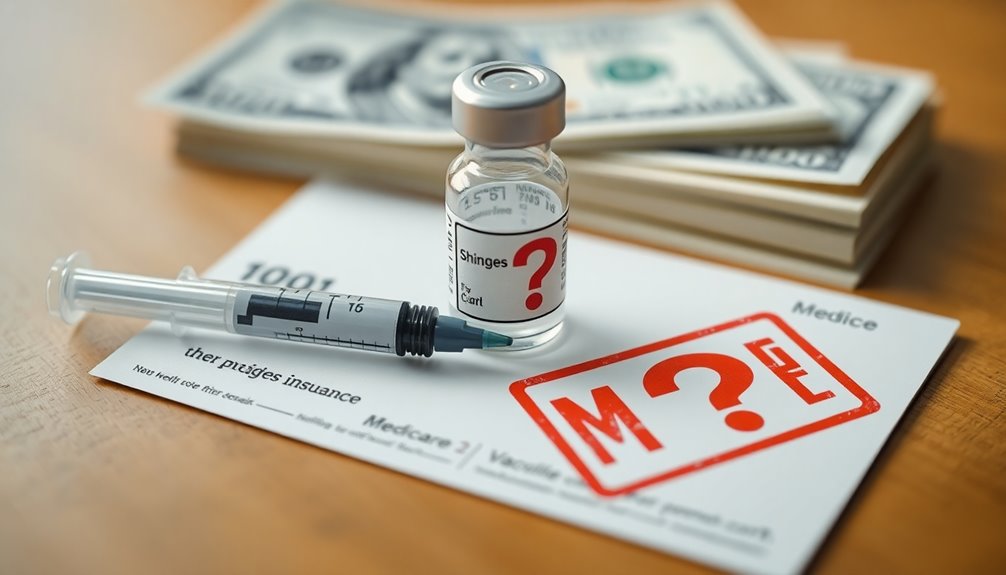
- Original Medicare (Parts A and B) does not cover shingles vaccines, leading to potential out-of-pocket costs.
- Medicare Advantage plans that include Part D also provide the $0 cost benefit for the shingles vaccine.
- A prescription is not required, but the vaccine must be administered at an in-network pharmacy or provider for zero-cost access.
- Without a standalone Part D plan, Original Medicare beneficiaries may face bills of up to $400 for the complete shingles vaccine regimen.
When it comes to the shingles vaccine, Medicare can be a surprisingly good friend—or a frustrating foe.
Envision this: you’re over 50, you’ve heard horror stories about shingles, and you want to protect yourself. The good news? If you have Medicare Part D, you might not have to pay a dime for the vaccine. That’s right. Thanks to the Inflation Reduction Act, starting in 2023, Medicare Part D beneficiaries can get the shingles vaccine without any copayment or cost-sharing. It’s a sweet deal, but hold on, because it isn’t the full story.
Original Medicare, which includes Parts A and B, is a different beast altogether. It will leave you high and dry when it comes to getting that essential vaccine. Part A covers hospital costs, sure, but preventive vaccines like Shingrix? Forget it. Part B is no better; it skips shingles vaccine coverage entirely. So if you’re relying on Original Medicare, prepare for a rude awakening: without a standalone Part D plan, you could be staring down a bill of up to $400 for the complete regimen. That’s a hefty price tag for peace of mind. Shingles presents as a painful, blistery rash; with serious complications like postherpetic neuralgia affecting many who contract it. In fact, getting vaccinated can reduce the risk of serious complications that arise from the virus.
Now, let’s talk about costs. For the uninsured, the average price for one shot is around $183. Two doses? You’re looking at roughly $367.
With the manufacturer GSK listing the two-dose series at $395.80, it’s not exactly a bargain. Even the cash price can hit $255.99 per dose. Ouch! Thankfully, GSK offers some relief through a patient assistance program, but wouldn’t it be nice if Medicare just covered it?
For those lucky enough to have commercial insurance, you’re in a much better spot. About 96% of patients covered by these plans pay $0 per dose. Medicaid recipients? They often pay less than $5 per shot. Even Health Insurance Marketplace plans have your back with no cost-sharing. Depending on your income, you may also qualify for financial assistance through subsidies when enrolling in a Marketplace plan if you do not yet qualify for Medicare.
So, what’s the deal with Medicare? It’s a mixed bag, really. If you have a Medicare Advantage plan that includes Part D, congratulations! You also get that $0 cost. But if you’re stuck with Original Medicare, good luck getting that vaccine without a hefty bill.
Here’s a kicker: You don’t even need a prescription to get the shingles vaccine under Part D. Just make sure it’s administered at an in-network pharmacy or provider. That’s a small silver lining in a rather cloudy picture.