
Design Highlights
- Sham hospices in California defrauded Medicare of nearly $16 million, undermining the integrity of genuine healthcare services.
- Fraudulent operations involved deceptive practices, including billing for non-existent services targeting vulnerable seniors.
- Kickbacks of $600 lured non-terminal patients into participation, exacerbating the exploitation of the elderly.
- California experienced over $267 million in improper claims, revealing significant regulatory failures in hospice care oversight.
- The crisis endangers seniors’ dignity and health, emphasizing the urgent need for reform and accountability in the hospice system.
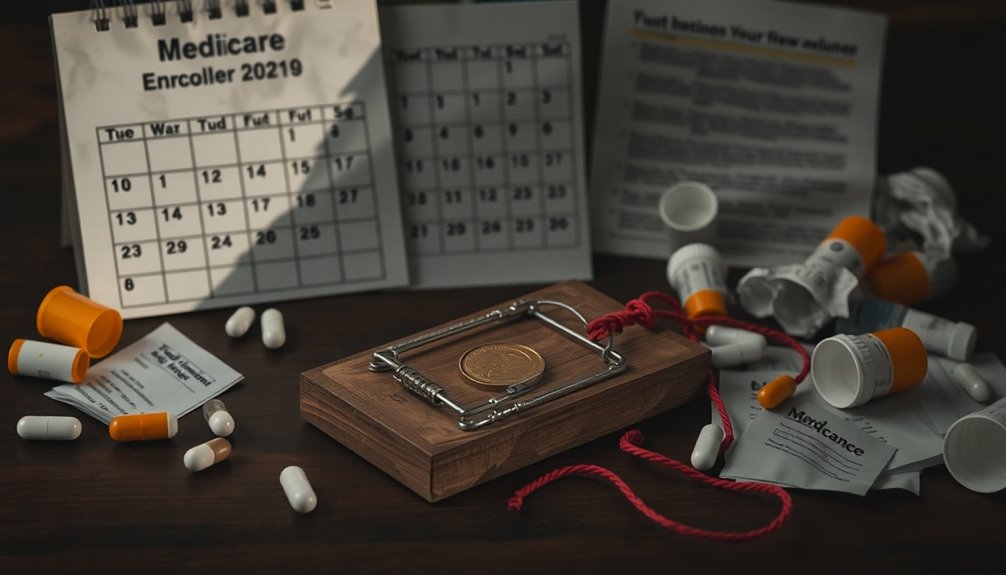
In the murky world of healthcare fraud, sham hospices have carved out a notorious niche. The sheer audacity of it all is mind-boggling. Four California residents recently got caught in a web of deceit, defrauding Medicare of nearly $16 million through fake hospice operations. From July 2019 to January 2023, they ran four fraudulent companies, raking in cash for services that never existed. Juan Carlos Esparza was sentenced to 57 months in prison, while Susanna Harutyunyan got off with only 15 months. They both owe hefty restitution payments, but let’s be real: can they even pay that back?
In a shocking scheme, four Californians defrauded Medicare of nearly $16 million through fake hospice operations, endangering vulnerable seniors.
The numbers tell a grim story. Topanga Hospice Care Inc. submitted over $9.1 million in fraudulent claims, and Medicare, in a fit of generosity or negligence, paid out more than $8.5 million on claims that didn’t even meet eligibility requirements. That’s right. They were fundamentally writing checks for air.
Meanwhile, Valley Pacific managed to achieve a 75% live discharge rate in 2022. That’s not just suspicious; it’s practically a slap in the face to the entire hospice system, where the national average hovers around 17%.
And how did they pull this off? Kickbacks, of course! They recruited beneficiaries—often not terminally ill—paying them monthly cash bribes just to lend their names to this charade. Imagine receiving $600 in an envelope for being a prop in a scam. It’s like a bad movie plot, but this is real life.
The California Department of Health has had to revoke 280 hospice licenses in just two years, with another 300 under review. Over $267 million in improper claims? Yes, please!
And let’s not forget the identity theft networks that used stolen information to enroll unsuspecting individuals into these schemes. It’s like a perfect storm of fraud, greed, and, sadly, exploitation of vulnerable seniors. Recent data shows that the California Attorney General charged 21 suspects for defrauding the state of $267 million, highlighting the severity of the crisis. Employers who misclassify employees as contractors to avoid proper oversight face similar legal complications, drawing a troubling parallel to how these fraudulent hospices deliberately obscured worker roles to evade regulatory scrutiny.
In the end, it’s not just about money; it’s about care—or lack thereof. These sham operations endanger lives. People are scrambling for genuine hospice care while fraudsters profit. It’s a crisis, and the staggering statistics highlight a system in peril.
California’s seniors deserve better than being pawns in a healthcare fraud game. They deserve dignity in their final years, not empty promises and fraudulent claims.