Design Highlights
- Retirees often overlook that fixed incomes make car payments a larger financial burden without a daily commute.
- Emphasizing monthly payments can mislead retirees, masking the total cost of ownership and long-term debt.
- New cars depreciate rapidly, losing significant value before retirees even get substantial use.
- Ongoing ownership costs, like insurance and maintenance, remain high even if daily commuting ends, impacting retirees’ budgets.
- Focusing on high-quality used cars can mitigate depreciation and avoid unexpected repair costs associated with certain brands.
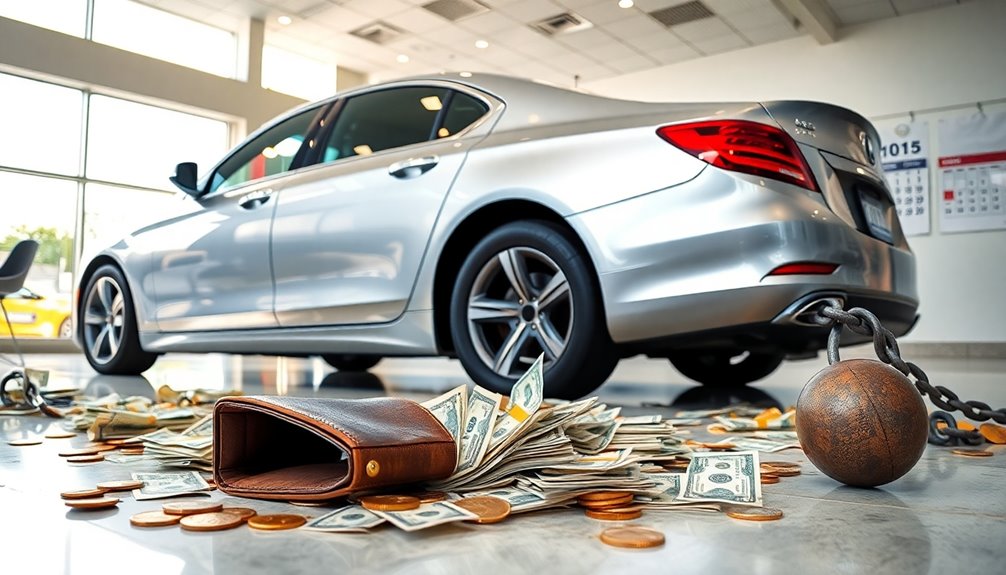
In the twilight of their careers, many retirees find themselves facing a costly car-buying trap that could drain their hard-earned savings faster than a leaky faucet. The end of daily commutes may sound liberating, but it doesn’t magically erase car ownership costs. Insurance, registration, depreciation, and maintenance still linger like an unwanted house guest. With fixed retirement income, a car payment can chew up a bigger slice of the monthly budget than it did during those paycheck-to-paycheck years. Who wants to be stuck with a shiny new car when the bills keep piling up?
In retirement, the allure of a new car can quickly turn into a costly burden, draining savings and straining fixed incomes.
The biggest pitfall? Focusing on that enticing monthly payment. Dealers love to steer buyers into that mindset. “Look at this beautiful car! Only $300 a month!” But hold up. What about the total cost? Long loan terms, stretching to 84 months, can keep retirees shackled to debt for seven long years.
And let’s face it: a manageable payment can still leave someone underwater, owing more than the car’s worth. No one wants that sinking feeling.
Depreciation is another sneaky thief. New cars lose about 10% of their value the moment they leave the lot. By the end of the first year, that can balloon to 20%. After five years? A staggering 60%. It’s like buying a brand-new sweater only to find it’s already out of style before you’ve even worn it. For retirees, buying new can lock in a hefty loss before they’ve even driven it around the block. In fact, 64.8% of households ages 65 to 74 carried debt in 2022, highlighting the financial pressures many face.
Opting for a high-quality used car can feel like the smarter move—less depreciation means less money lost. Additionally, some brands, like Tesla, have above-average ongoing expenses due to specialized components and high computerization, which can lead to unexpected financial burdens for retirees.
Let’s not forget repairs and maintenance. Routine upkeep can cost about $1,000 yearly for older drivers. And some vehicles? They’re like money pits. Dodge and GMC can rack up repair costs that make jaws drop. Who knew owning a car could feel like throwing cash into a bonfire?
Insurance, taxes, and those sneaky hidden costs can spike the total bill, too. Get insurance quotes before buying. You might be shocked to discover that a newer car could inflate premiums faster than a balloon at a kid’s birthday party. When switching vehicles, retirees should also remember that mid-term cancellations of existing auto insurance policies may come with administrative fees that reduce any expected refund. So, as retirees plunge into this car-buying adventure, they must tread carefully. The stakes are high, and the traps are plentiful. The road ahead can be bumpy if they’re not vigilant.