
Design Highlights
- The Arkansas Insurance Department warns seniors about a rise in Medicare fraud, with losses exceeding $100 billion nationwide annually.
- Common scams include unknown callers requesting Medicare numbers and high-pressure tactics to extract sensitive information.
- Seniors are urged to keep Medicare and Social Security numbers confidential and verify requests for personal information.
- The Arkansas Senior Medicare Patrol (SMP) offers education, outreach, and counseling to empower seniors against fraud.
- Suspicious activities can be reported to the SMP, helping protect taxpayer-funded healthcare programs from fraudulent exploitation.
Medicare fraud is not just a minor inconvenience—it’s a full-blown epidemic, especially for seniors in Arkansas. The Arkansas Insurance Department has sounded the alarm, warning elderly residents and their families about the rising tide of Medicare fraud scams. These scams are not just petty theft; they are an assault on the trust that seniors place in the system designed to protect them. It’s infuriating. Officials estimate over $100 billion is lost nationwide each year due to these scams. That’s not pocket change!
Medicare fraud is a full-blown epidemic, eroding trust and costing over $100 billion annually—seniors deserve better protection!
The Arkansas Senior Medicare Patrol (SMP) is stepping in to help. This program is the state’s main outreach initiative. Its mission? To detect, prevent, and report Medicare fraud, errors, and abuse. They offer education, outreach, counseling, and even fraud-prevention training for beneficiaries, their families, and caregivers. It’s a necessary effort, but can anyone really keep up with the relentless barrage of scammers? The program aims to empower consumers and caregivers to recognize and report fraud effectively.
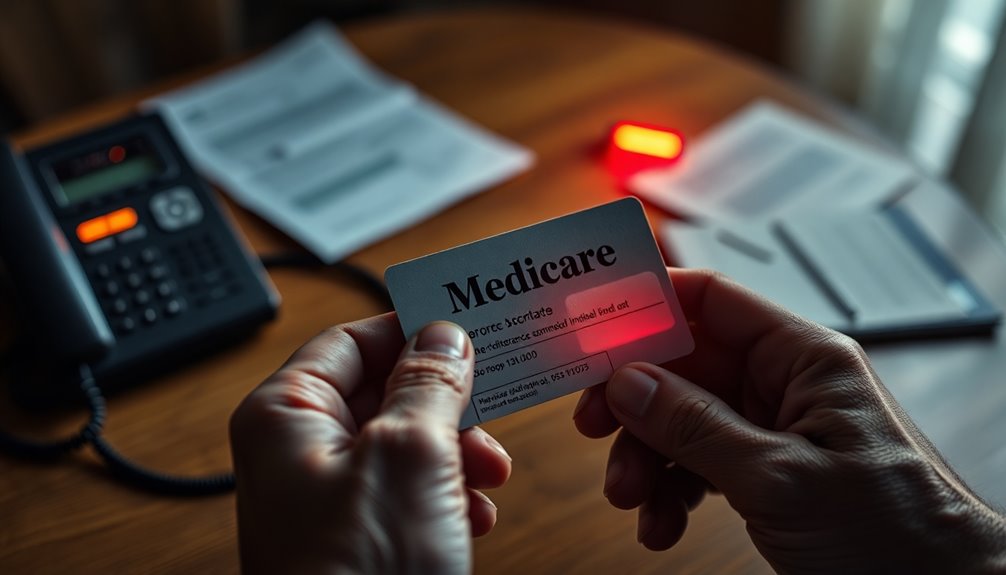
Scammers are crafty. They use all sorts of tactics. Ever get a call or email claiming they need your Medicare number for updates? Yeah, right. Unknown callers will ask for personal information, and Arkansas officials say that anyone who asks for your Medicare details over the phone is probably up to no good. Spoofing technology makes it easy for these crooks to mask their true identities. They can make their calls look like they’re coming from legitimate sources. How convenient for them!
And the pressure? It’s intense. Scammers use high-pressure tactics, creating a sense of urgency. They lure seniors in with offers of free medical services, equipment, or even gift cards. It’s like a twisted version of a game show where the prize is your personal information. Medicare fraud is a serious issue that impacts both beneficiaries and taxpayers.
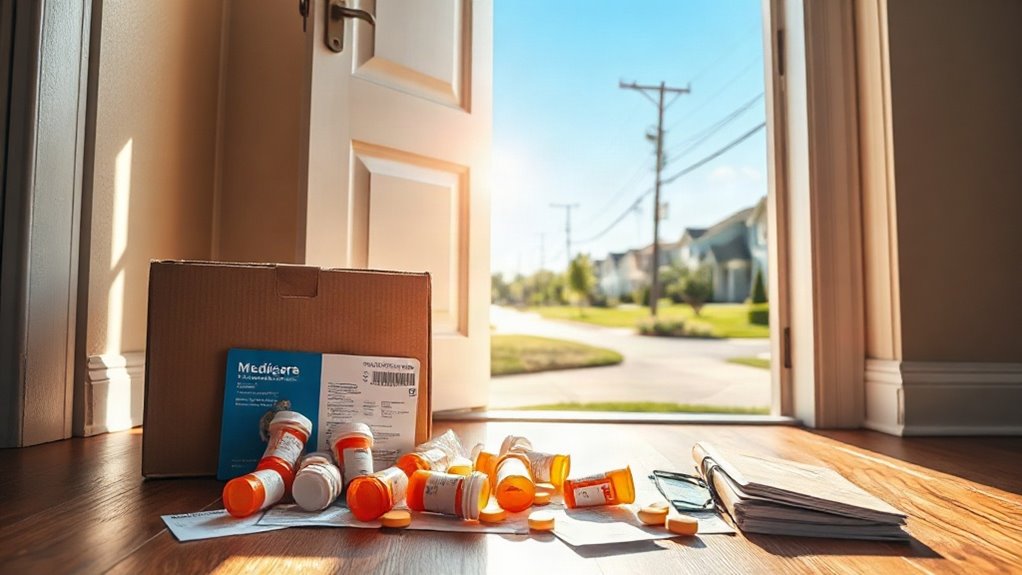
Seniors are urged to scrutinize their Medicare statements closely. Repeated charges for the same service? Red flag. Bills for services never received? Huge warning sign. It’s alarming to think that scammers could bill Medicare for items that were never ordered. It’s infuriating!
And just to be clear: Medicare numbers should never be shared with unknown callers. Social Security numbers? Forget it. These details should be protected like gold. If someone asks for sensitive information, verify, verify, verify. It’s common sense, but when you’re under pressure, it can be hard to think straight. Just as seniors should safeguard their Medicare information, they should also maintain detailed inventory lists of their personal property to protect against other financial losses.
Suspicious activity can be reported through the Senior Medicare Patrol. This helps protect taxpayer-funded healthcare programs. It’s a small step, but every little bit helps. In a world where trust is a scarce commodity, seniors deserve better.