
Design Highlights
- Use cash-only shopping to stick to a budget and avoid impulse purchases, promoting mindful spending habits.
- Cook from scratch using affordable staples, enhancing health while reducing dependence on costly processed foods.
- Create a detailed grocery list based on meal plans to minimize forgotten items and curb unnecessary purchases.
- Leverage sales and bulk buying to save money, choosing recipes based on discounted items for added flexibility.
- Implement meal planning strategies that prioritize pantry items to reduce waste and encourage creativity in cooking.
In a world where grocery bills seem to rise faster than gas prices, slashing those costs can feel like a Herculean task. But fear not, there are ways to navigate this financial minefield without resorting to the coupon-clipping chaos that consumes weekends. One practical approach is using cash. Seriously, leave those cards at home. When cash is the only option, it’s hard to ignore the reality of your shopping cart. You have a budget; stick to it. This method not only prevents overspending but also promotes conscious decision-making about every item tossed in the basket. No more impulse buys—just pure, unadulterated shopping discipline.
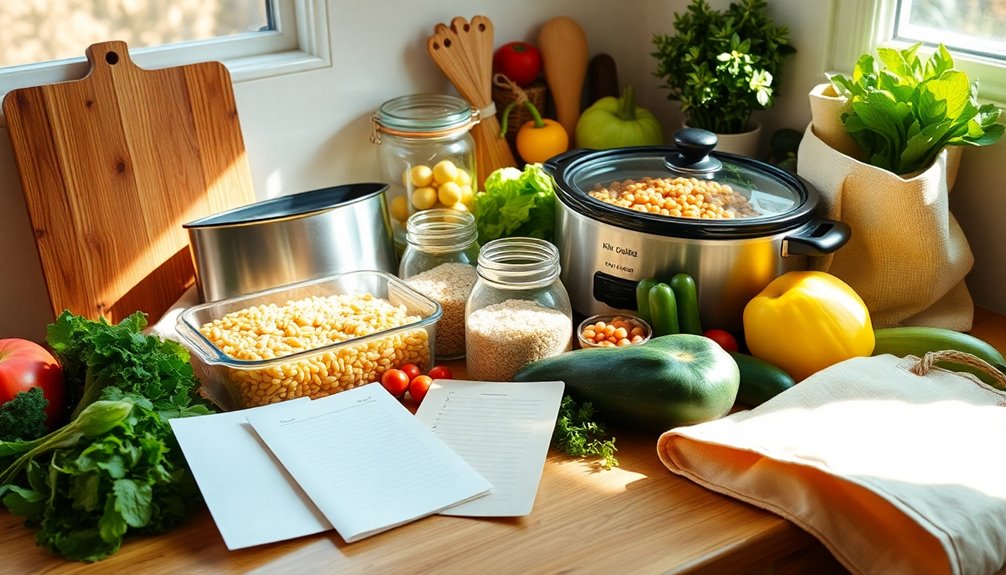
Then there’s cooking from scratch. Sure, it sounds tedious, but let’s be real: staples like rice and pasta cost a fraction of pre-made meals. Plus, cooking from scratch means healthier options, which is a win-win. A crockpot can be your best friend, transforming affordable ingredients into delicious meals while saving you time. Why rely on overpriced processed foods when you can whip up something fresh and satisfying? Building these skills pays off in the long run—goodbye, expensive takeout!
Making a grocery list is another game-changer. Running to the store for that one forgotten item? A recipe for disaster. Assess your cupboards before heading out. Do a little inventory check. Take stock of what you have and what you need. Incorporate plans for meals into your list and check those sales flyers. This keeps you focused and reduces the temptation to grab random junk that you don’t need.
Shopping sales and clearance items can feel like a treasure hunt. Weekly ads often reveal the best deals, and scouring for markdowns is like finding hidden gold. Stocking up on sale items that you actually use? Genius. Flexibility in recipes makes it easy to swap proteins based on what’s on sale.
Buying in bulk can also make a significant dent in costs. Those bulk bins? They’re your friends. But don’t just grab the biggest package; check unit prices first. Stockpiling reduces shopping trips, and freezing bulk items means less waste.
Finally, meal planning and pantry-first shopping can stretch your grocery dollar. Plan meals around sales and what you already have. It’s efficient and reduces waste. With a little creativity and strategy, slashing grocery bills doesn’t have to feel like pulling teeth. It just takes some planning and savvy shopping. Just as drivers can save money by bundling auto insurance with home insurance, savvy consumers can unlock similar savings by combining smart strategies like bulk buying and meal planning to maximize their overall household budget.