
Design Highlights
- Rising costs of car ownership, averaging $12,297 annually, prompt retirees to reconsider the necessity of a second vehicle.
- Decreased driving needs post-retirement reduce the urgency for maintaining two cars, as daily commutes and trips diminish.
- Depreciation impacts even infrequently used second cars, leading to financial losses without significant use.
- Trends show more households, especially among older adults, are opting for one vehicle, reflecting changing transportation habits.
- Downsizing to one car allows retirees to allocate funds to travel, healthcare, or other living expenses, aligning with their financial priorities.
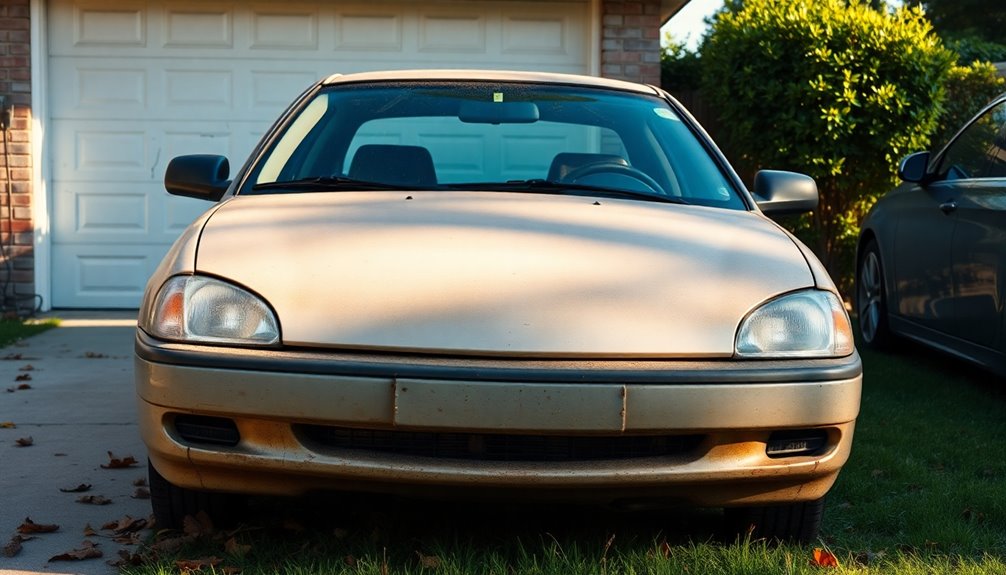
Retirees are taking a hard look at their second cars, and for good reason. The costs are piling up like laundry on a Sunday afternoon. The average annual expense of owning a new car in 2024 hovers around $12,297, according to AAA. That’s not pocket change. When you factor in fuel, maintenance, insurance, and all those other sneaky charges, it’s clear: owning two vehicles can be a financial black hole. Even if a retiree isn’t driving much, those costs don’t magically disappear.
After hanging up their work boots, many retirees find they drive less. That daily commute? Gone. Weekend road trips? Maybe not so frequent. Research shows that vehicle travel tends to decline after retirement. Sure, they might still need to run errands or visit friends, but the urgency for two cars? It weakens. Suddenly, the second car looks less like a necessity and more like an expensive ornament gathering dust.
It’s not just individual choices, either. The landscape of car ownership is changing. According to U.S. Census Bureau data, around 10.7 million two-person households are now down to one vehicle. That’s a trend that’s hard to ignore. Older adults, especially those aged 45 and up, still own cars, but they’re catching on to the idea that fewer vehicles can still get the job done. They’re not just stuck in the habit of having two cars anymore. In fact, 92 percent of American households own at least one car, which highlights the ongoing dependence on personal vehicles.
And let’s talk depreciation. That shiny new car loses value faster than a kid can eat ice cream on a hot day. A second car that barely sees the road? It’s like throwing money out the window. Even if it’s just sitting there, it’s still losing value. That’s right. Cars don’t just lose value because of mileage—they age, too.
Then there are those pesky fixed costs. Insurance, registration, and maintenance don’t care if the car is parked or cruising down the highway. They just keep coming. Even an infrequently driven second car can gobble up retirement funds. Transportation accounted for 17% of all monthly household expenses, making the financial burden of a second car even heavier. In fact, full coverage auto insurance alone now averages $2,101 annually, meaning a second car can quietly drain thousands from a fixed retirement income each year.
Many retirees are discovering they can thrive with just one car. Downsizing means more cash for travel, healthcare, or just living life. One car, a little trip planning, and maybe some ride-sharing or rentals? That sounds a lot more appealing than juggling two vehicles that barely see the light of day. So yeah, it’s no wonder that more retirees are questioning the need for that second car. It’s time to rethink what’s really necessary.