
Design Highlights
- Zombie mortgages can unexpectedly resurface, often stemming from pre-2008 piggyback loans and home equity loans.
- Borrowers may mistakenly believe their second mortgages are forgiven, only to face renewed payment demands.
- Rising home values have prompted debt collectors to pursue previously charged-off second mortgages.
- Homeowners risk foreclosure despite keeping up with first mortgage payments due to these hidden debts.
- Legal frameworks allow collection of zombie mortgages, making it crucial for homeowners to review their mortgage histories.
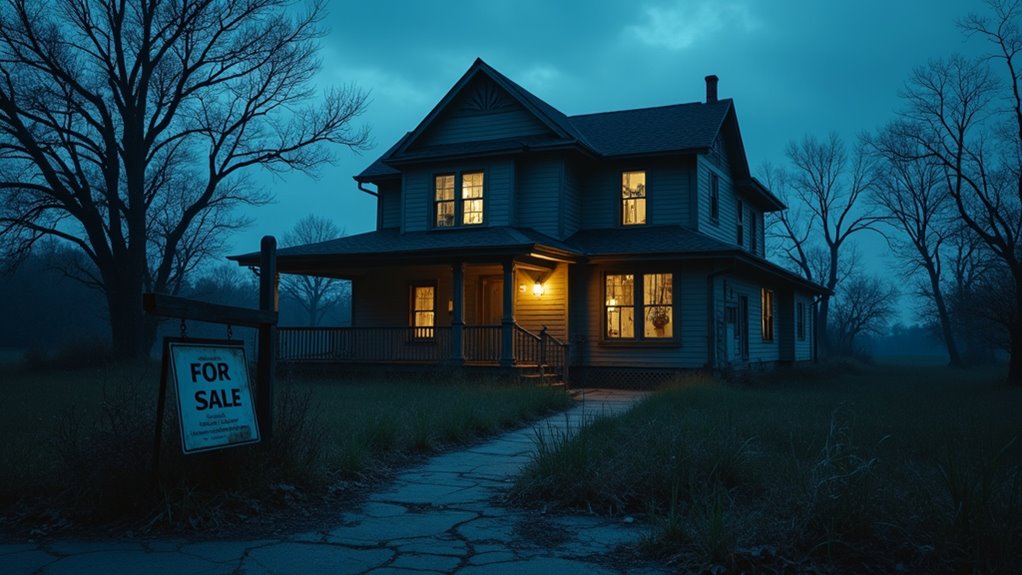
In a world where debts can haunt you like a bad horror movie, “zombie mortgages” are the villains that just won’t stay dead. These mortgages are the remnants of debts thought long forgiven or settled, only to rear their ugly heads years later. Imagine living your life, feeling free of that burden, only to find out the second mortgage you thought was gone is back—like a horror character who just won’t stay in the grave. How’s that for a plot twist?
These zombie mortgages often stem from the infamous pre-2008 piggyback loans, where the primary mortgage covered 80% of a home’s price and the second mortgage, covering the remaining 20%, came with all the charm of adjustable rates. Second mortgages may also be taken out as home equity loans post-purchase, adding to the confusion.
Zombie mortgages often originate from pre-2008 piggyback loans, where the second mortgage lurked, ready to strike when least expected.
After the housing market crashed, lenders quietly charged off these second mortgages, assuming they were uncollectible. Borrowers, blissfully unaware, thought they were off the hook, believing those debts were modified or even forgiven. Surprise! They’re lurking, waiting for the right moment to strike.
And guess what? With home prices on the rise again, these old loans are suddenly worth chasing. When equity builds up, debt collectors emerge from their slumber, enthusiastic to make a profit off these debts sold for pennies. Zombie mortgages may also arise from scenarios where two mortgages were issued on the same property pre-recession.
It’s like a game of whack-a-mole, except the moles are old loans that resurface when homeowners least expect it. You could be dutifully paying your first mortgage, only to receive a shocking statement claiming you owe thousands on that “forgiven” second mortgage. Talk about a plot twist!
The repercussions are grim. Homeowners risk foreclosure despite being current on their first mortgage. The accumulated fees and interest can inflate the original principal to staggering amounts.
All of a sudden, homeowners find themselves in legal battles, facing financial ruin over debts they thought were buried. And yes, the law is on the side of these zombie mortgages. They’re valid, unpaid debts, and some states allow foreclosure suits even decades after a default.
Cases are popping up everywhere, especially in Connecticut, where borrowers from the 2004-2008 era are now in the crosshairs. The Fair Housing Center is busy representing dozens of clients caught in this nightmare. Much like how coverage cannot be denied for pre-existing conditions under the Affordable Care Act, borrowers in these situations often discover that certain financial obligations cannot simply be erased or ignored, no matter how much time has passed.
As the housing market rebounds, zombie mortgages are back with a vengeance, haunting homeowners nationwide. So, if you thought you were free and clear, think again. The ghosts of your financial past might just be waiting around the corner.