
Design Highlights
- Cleanup efforts have cleared 2.5 million tons of debris, but concerns about the thoroughness of the process linger among homeowners.
- Many residents report hazardous conditions remaining on their properties despite the official status of “complete” for cleanup.
- Air quality monitoring shows levels below health risks, yet skepticism about the overall safety of homes remains prevalent.
- Ongoing safety risks include potential residual hazards that may not be immediately visible or addressed during the cleanup.
- Residents may face deeper issues beyond physical damage, complicating their return to normalcy post-wildfire.
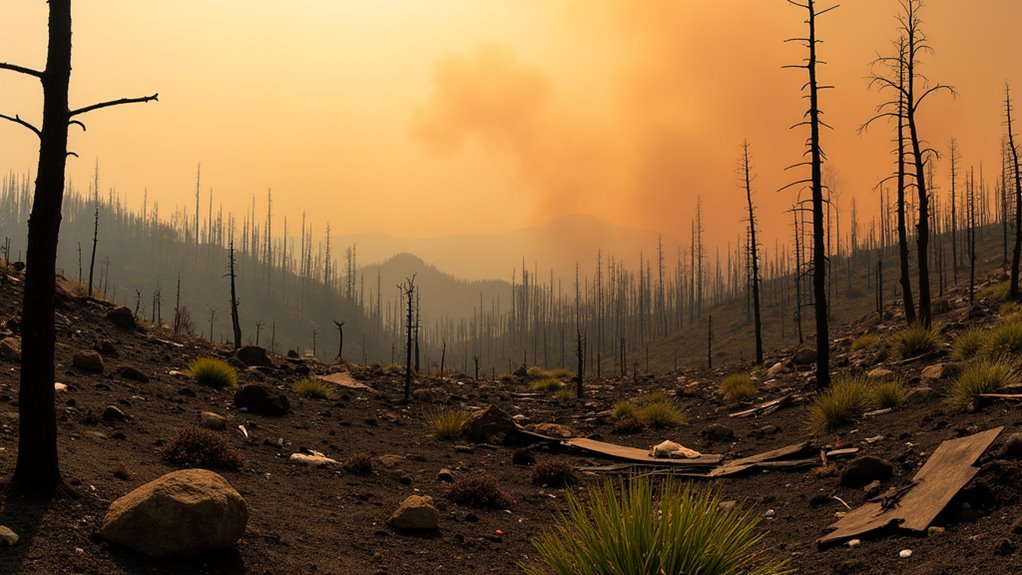
As if the devastation of the wildfires wasn’t enough, Los Angeles homeowners have faced an intimidating cleanup effort that feels like a marathon with no finish line. The Eaton and Palisades wildfires wreaked havoc, demolishing 16,000 buildings and scorching 37,700 acres in a matter of weeks. Evacuations? Over 150,000 residents had to pack up and leave. And, tragically, 30 lives were lost.
Fast forward to the cleanup, and it’s a tale of speed and chaos. Federal contractors cleared a staggering 2.5 million tons of fire debris from nearly 10,000 properties. That sounds impressive, right? But wait—was it really done well?
Cleanup efforts boasted 2.5 million tons cleared, but did they prioritize quality over speed?
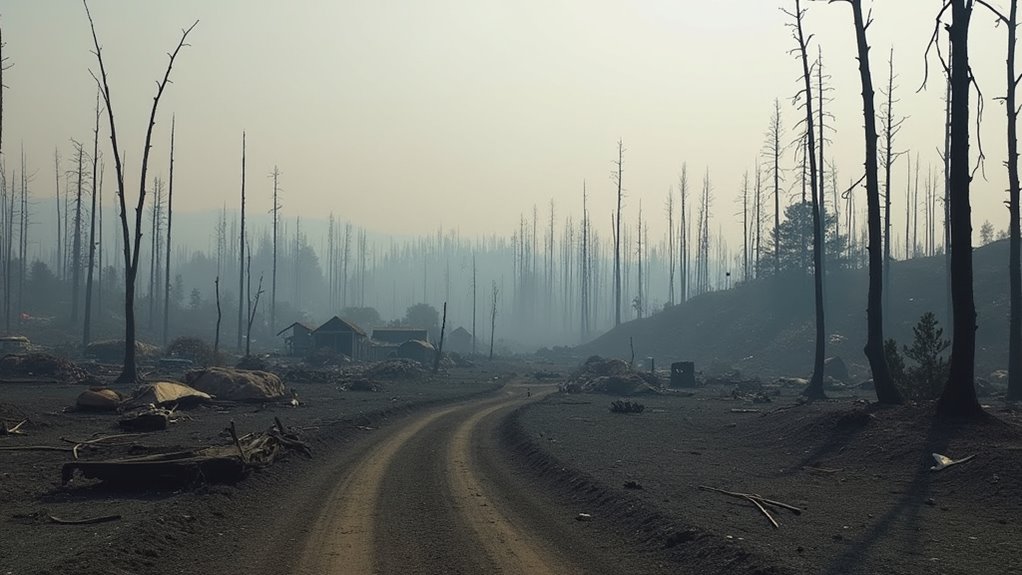
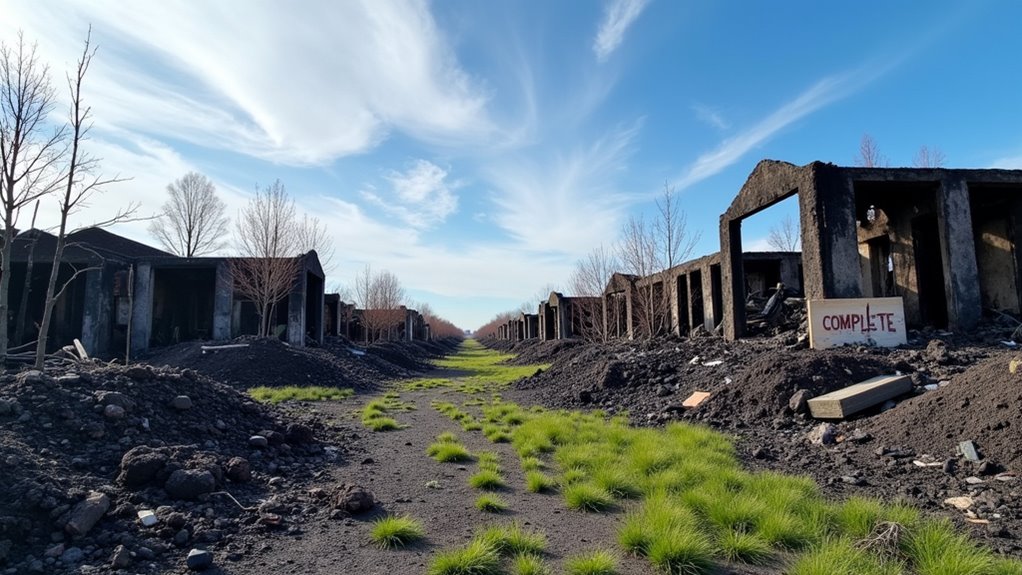
In September 2025, the U.S. Army Corps of Engineers wrapped up Phase 2 of debris cleanup, which is touted as the fastest wildfire recovery in modern history. Four months ahead of schedule? Check. But homeowners are left scratching their heads. The “complete” status doesn’t guarantee safety. Many still report sloppy work from the contractors. Hazardous conditions linger, like unwanted houseguests. Just because debris is removed doesn’t mean the property is magically safe to rebuild on.
The EPA took care of household hazardous waste first. They dealt with everything from lithium-ion batteries to explosive gas canisters. They even tracked their cleanup progress with a fancy dashboard, which is great—if you enjoy staring at spreadsheets.
Meanwhile, the Corps of Engineers moved in for Phase 2, clearing ash, rubble, and contaminated soil. Sure, they finished in record time, but residents are left wondering: was it done right? Cleanup recognized as the fastest wildfire recovery has not alleviated the concerns of residents regarding the quality of work. Additionally, the color-coded system used in the interactive map provides real-time updates on property status, but many homeowners remain skeptical about the thoroughness of the cleanup.
Air quality monitoring showed levels below health risks, which is comforting… sort of. It’s like saying a car is safe because it has working brakes, but the body is completely rusted out. The government issued executive orders to expedite cleanup, and FEMA swooped in with funding. But again, it’s not as simple as checking boxes. Right-of-Entry forms are required, and truck traffic has skyrocketed. Homeowners should also note that while cleanup addresses fire damage, water damage from firefighting efforts may require separate insurance claims if not covered under standard policies.
In the end, while the cleanup is officially “complete,” the reality for many homeowners is far from secure. The scars of the wildfire run deeper than just burned walls. It’s a complicated mess.