
Design Highlights
- The surge in oil prices, driven by conflict, threatens global supply chains and increases operational costs for businesses worldwide.
- Disruptions in the Strait of Hormuz jeopardize 20% of global oil transit, exacerbating inflation and economic instability.
- Iran’s economic collapse could destabilize emerging markets, leading to widespread inflation and heightened vulnerabilities in energy-importing nations.
- U.S. energy exporters benefit from higher prices, but American households face increased fuel costs, straining consumer spending and economic growth.
- Businesses are actively auditing supply chains and enhancing risk management strategies amid rising costs and potential cyber threats from regional conflicts.
The US-Israeli war on Iran has sent shockwaves through global markets, and it’s not pretty. Oil prices are soaring, with Brent crude already above $80 per barrel and projections hinting at a potential leap to $100 or even $200. Talk about a financial rollercoaster! Just on March 2, prices jumped a staggering 13%, briefly eclipsing $82 per barrel. Not exactly a welcome sight for anyone filling up their tank.
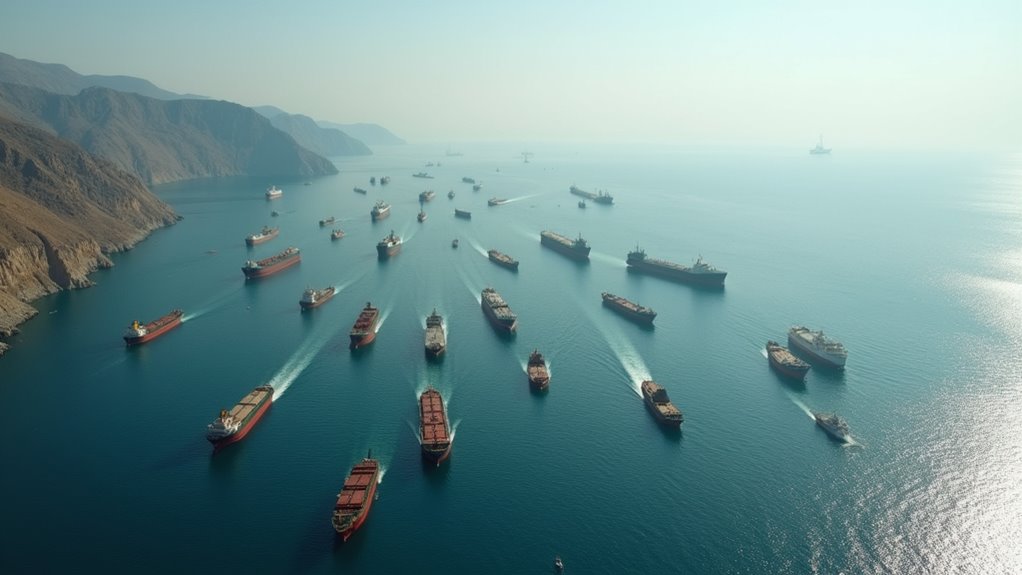
The conflict has effectively yanked 20 million barrels of crude from the global market. That’s like removing a giant slice from the world’s oil pie, and guess what? The Strait of Hormuz, a vital chokepoint for 20% of global oil transit, is now in chaos. Ships are anchored, insurance is pulling out, and major container lines have hit the brakes on transits.
The Strait of Hormuz is in chaos, yanking 20 million barrels from global markets and halting major shipping lines.
If this disruption continues for more than 30 days, we could be staring down the barrel of a global recession. Who knew a war could bring such delightful economic tidings? A sustained crude price at $100 could elevate global inflation by 0.6 to 0.7 percentage points, adding to the economic strain.
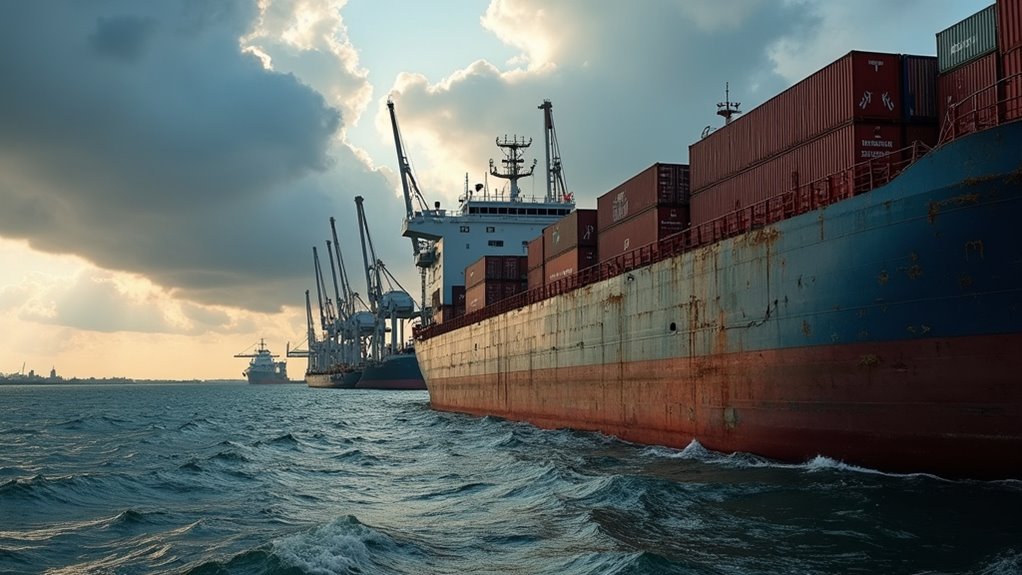
Then there’s the shipping debacle. With Houthis attacking key routes, one-third of seaborne crude is at risk. Ports like Jebel Ali in Dubai have suspended operations after drone strikes. The domino effect is real, and the delays? They’re not just a mere hiccup; expect a 2-4 week lag in supply chain disruptions. How fun is that?
Now, let’s talk GDP. A short war might not wreck the global economy, but prolonged conflict? That’s a different beast. Israel’s economy shrank by 1% during the last 12-day skirmish. If this drags on, Gulf economies could see a similar fate.
And poor Iran? Its GDP could plummet by over 10%. Energy-importing nations are already feeling the pinch, facing inflation due to skyrocketing import bills. Cheers to that!
Emerging markets are especially vulnerable. Higher energy prices are squeezing incomes and purchasing power. Governments in places like Egypt and Tunisia are scrambling to manage extensive subsidies. Pakistan? Its economy is teetering. A shaky financial landscape, indeed.
On the bright side—well, sort of—the US has morphed from a net energy importer to a modest exporter. American households may face higher fuel prices, but energy producers are cashing in. While Europe and Asia sweat bullets over import vulnerabilities, the US stands a bit stronger. Not that it’s a cakewalk for everyone. Meanwhile, American workers are already contending with the average cost per employee for employer-sponsored health coverage projected to exceed $16,000 in 2025, leaving little financial cushion to absorb rising fuel costs.
In this chaotic landscape, businesses are scrambling. Energy-intensive industries are feeling the heat. Companies are quickly auditing their Gulf supply chains, all while bracing for potential cyber threats from Iran’s allies. What a time to be alive!