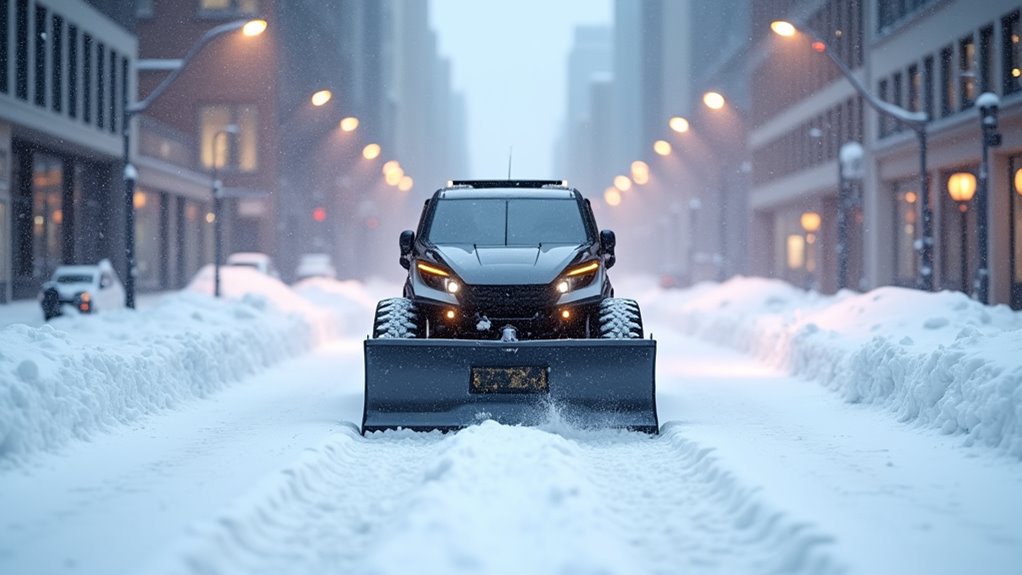
Design Highlights
- Traditional plowing often leads to inefficiencies, resulting in longer response times and increased operational costs for municipalities.
- High-tech snowplows utilize AI and real-time data to optimize routes, significantly improving plowing efficiency and reducing complaint calls.
- Smart technology minimizes overplowing and oversalting, leading to cost savings and a reduced environmental impact.
- Enhanced traffic management through AI prioritizes snowplows, improving overall traffic flow and safety during winter storms.
- Fewer accidents and improved operator safety from high-tech solutions can lead to a decrease in general liability claims for cities.
In a world where snow can feel like a never-ending battle, Syracuse has decided to fight back with high-tech snowplows powered by artificial intelligence. Gone are the days of endless complaints about hidden plowing efforts, as the city embraces a new era of snow management. With video monitoring, GPS mapping, and AI integration, Syracuse has turned winter woes into manageable operations. A whopping 30% drop in complaint calls proves that residents are starting to see the light—or maybe just the pavement.
Syracuse is revolutionizing winter with AI-powered snowplows, cutting complaints by 30% and transforming snow management into a high-tech solution.
Picture this: real-time fleet visibility. AI identifies the nearest plow in emergencies. Imagine vehicle 203, just 15 minutes away in Plainwell, Michigan. No more sifting through endless paperwork to find help. This efficiency allows for quick dispatch during storms, which is essential when the snow starts piling up.
It’s a world where data-driven decision-making speeds responses, making winter just a bit less brutal. Syracuse, recognized as America’s snowiest city, is also saving some serious cash. U.S. cities collectively shell out over $4 billion annually on snow operations. Meanwhile, Fayetteville, Arkansas, has managed to improve plowing time and save on labor costs—even when double the snow hits. Real-time GPS tracking has become essential in maximizing efficiency and minimizing confusion during storms.
With smart tech, there’s less overplowing and oversalting, which means lower operational costs and less environmental damage. Win-win, right? Cities that reduce storm-related accidents and property damage through smarter operations may also see fewer general liability claims filed against municipal budgets.
But wait, there’s more. AI and machine learning are optimizing traffic signals for snowplows. This means plows, emergency responders, and public transportation get priority. How’s that for a winter miracle? A study from Brigham Young University backs this up—operators are safer and more efficient with fewer stops. AI-powered algorithms conduct real-time data analysis to enhance these processes.
Commuters can actually enjoy higher speeds on preemption routes, too. It’s almost like magic, minus the wands and capes.
Then there’s the whole safety aspect. Fewer cars passing snowplows translate to better safety for operators. Visibility tech helps them see through bad weather, while AI reduces accidents by ensuring efficient clearance.
The less human exposure to harsh conditions, the better, right? It’s all about keeping the community safe.
And what about the future? Self-driving snowplows are on the horizon, cutting labor costs and allowing for 24/7 operations. This proactive approach could redefine urban resilience. It’s not just about shoveling snow; it’s about building a better, more sustainable future.
Who knew snow could spark such innovation?