
Design Highlights
- Supply chain paralysis significantly threatens the global economy, with tariffs inflating costs and disrupting production timelines.
- Geopolitical tensions and regulatory complexities escalate business interruptions, turning minor disruptions into major enterprise risks.
- Companies face decision-making gridlock due to sourcing paralysis, hindering their ability to adapt to rapidly shifting supply chain landscapes.
- Increasing reliance on the internet exposes fragile supply chains to cybersecurity threats, amplifying potential impacts of cyber incidents.
- The combination of economic instability, logistics costs, and fragmented supply chains creates a precarious environment for businesses, akin to ‘black swans.’
Sure! Here’s the revised content with the added sentence:
—
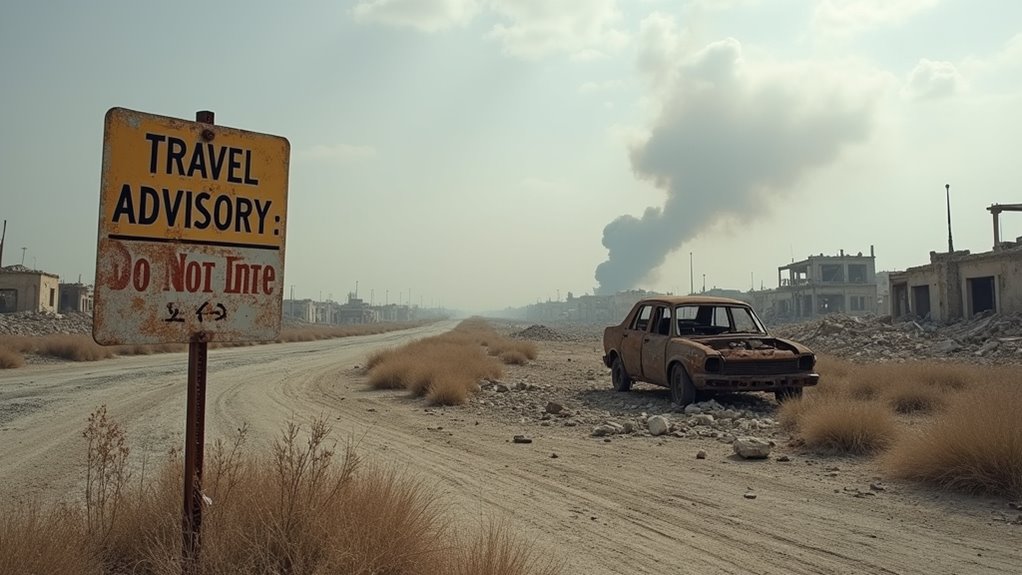
In today’s chaotic world, the stakes are sky-high, with supply chain paralysis looming like a storm cloud over the global economy. Tariffs are the unwelcome party crashers here, driving prices up by 15-20% or more from foreign suppliers. That’s right, folks—your favorite products are about to become even more expensive. In fact, the ongoing negotiations fueled by tariffs are set to rank as the top supply chain risk for 2026. Good luck keeping your manufacturing margins intact when imported raw materials and components are getting pricier.
Let’s talk about sourcing paralysis, which is the fancy term for decision-making gridlock. Companies find themselves frozen, unable to adapt to the rapidly shifting supply chain landscape. They scramble to reorganize their supply chains, all while trying to dodge tariff exposure. Understanding suppliers’ financial health is crucial here, as it can help mitigate the impact of these pricing changes. Moreover, shifting focus to systemic resilience is essential to navigating these turbulent waters.
Yet developing new suppliers? That’s like trying to solve a Rubik’s cube blindfolded—expensive, time-consuming, and riddled with operational risks. Meanwhile, those cast-off suppliers? They’re banding together, forming alliances that could threaten global competitiveness. Fantastic.
And let’s not forget the geopolitical risks lurking in the shadows. According to the Allianz Risk Barometer, a staggering 51% of respondents see global supply-chain paralysis from geopolitical conflict as a very real threat. Countries are pulling together like competitive schoolyard kids, focusing on key components like semiconductors and AI.
Trade tensions are on the rise, leading to a mad dash for nearshoring, but good luck finding the infrastructure to back it up. It’s a mess, plain and simple.
Then there’s the economic instability. Predictions for the next few years are about as cheerful as a rainy Monday morning. Weak growth, demand shocks, and inventory mismatches are just the icing on this disaster cake.
And for what? Lower economies of scale and skyrocketing logistics costs? Yes, please!
Add to this the constant threat of business interruptions. With geopolitical instability and convoluted regulations, supply chain issues have shifted from being just a headache to a full-blown enterprise risk.
Customs delays? Regulatory compliance? It’s like a game of whack-a-mole, and the moles just keep popping up everywhere.
And if you thought all that was bad, cyber incidents are now the cherry on top of this chaotic sundae. With so much riding on fragile supply chains and the internet, it’s no wonder that these issues are considered the black swans lurking in the waters of business.
It’s a precarious balance, and one wrong move could send everything spiraling into chaos.