
Design Highlights
- The 2026 Risk Study highlights an urgent resilience gap in organizations, with 56% of leaders citing geopolitical risks as a primary concern.
- Cybersecurity threats are prevalent, with 50% of organizations lacking a formal critical event response plan.
- Economic and environmental turbulence, including rising natural disasters, heightens the need for comprehensive risk strategies.
- AI technology poses risks of data leaks and compliance breaches, necessitating proactive planning in risk management.
- A five-stage strategy focusing on detection, response, and improvement is essential for organizational agility and resilience in chaotic environments.
In 2026, the world isn’t exactly a calm sea. It’s more like a turbulent storm at sea, with waves crashing down from all directions. Geopolitical instability? Check. Cyberattacks? Definitely. And let’s not forget the oh-so-cheerful polycrisis, where one disaster seems to dance with another, creating a chaotic carnival of risks. According to a recent study, about 56% of Fortune 500 folks have their eyes glued on geopolitical risks as the main concern.
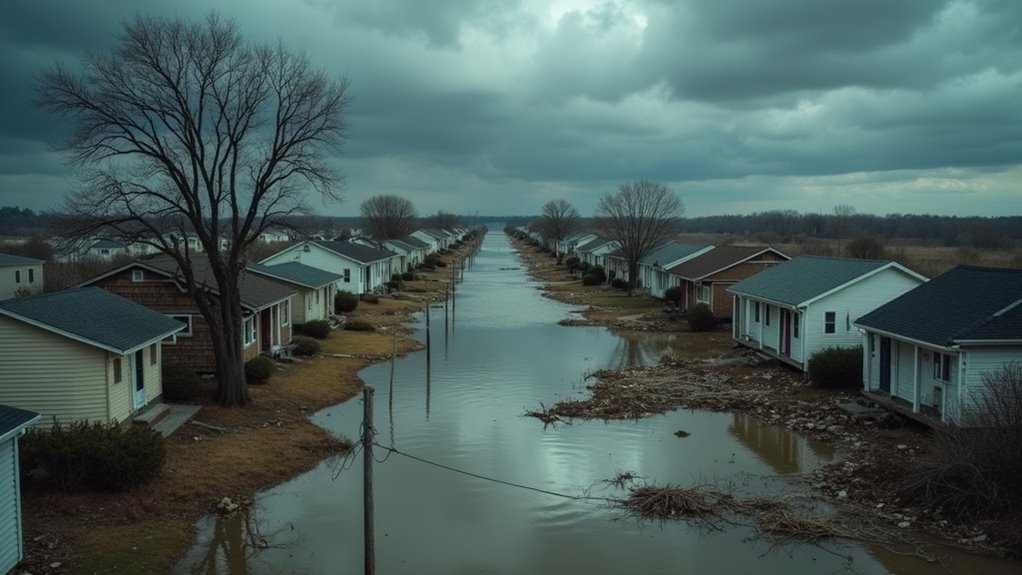
In 2026, the world’s a stormy sea of geopolitical risks and cyber chaos, with disasters swirling in a chaotic dance.
And half of organizations are sweating bullets over cyber threats, which is like worrying about getting hit by lightning while standing in a hailstorm. The resilience gap is glaring. Only a paltry 3% of organizations feel fully prepped for the chaos that’s brewing. That’s right, just 3%. Meanwhile, a staggering 50% admit to having little to no formal plan when a critical event strikes. Good luck with that!
And while leaders are fretting over these vulnerabilities, 75% are grappling with labor issues thanks to immigration hurdles. What a lovely mess. Now, let’s talk cyber and AI. The double-edged sword of technology is swinging wildly. Sure, AI helps with forecasting, but it also opens the floodgates for data leaks and compliance breaches. It’s like inviting a thief to guard your valuables.
Cybersecurity is flagged as a structural supply chain vulnerability by 38%. That’s a scary thought. As if supply chains weren’t already stressed by economic and geopolitical turbulence—65% cite that as their biggest headache. Weathering the storm isn’t easy, either. Hurricanes, floods, and wildfires are on the rise, leaving insurance companies sweating bullets. A whopping 76% expect insurance costs to soar. Natural disasters and climate extremes lead to chronic interruption risks, making the situation even more precarious for organizations. Moreover, organizations must recognize that cyberattacks are among the top 10 global risks, highlighting the urgent need for enhanced resilience. Just as individuals need long-term care insurance to protect against future vulnerabilities, organizations require comprehensive risk strategies to weather unpredictable crises.
Rebuilding? Don’t hold your breath. It’s all slow going, and insurance is getting tighter. Amidst all this chaos, resilience is the only safety net left hanging. The study emphasizes a five-stage strategy: detect, respond, improve. Easy-peasy, right? But really, agility and proactive planning have become the names of the game. The U.S. economy might have an 80% chance of staying afloat, but that’s not a guarantee.