
Design Highlights
- Aging homeowners are leveraging increased home equity, averaging $250,000, to generate supplemental income through various financial strategies.
- The rise in housing cost-burdened seniors prompts many to seek additional revenue streams from their properties.
- Reverse mortgages and Home Equity Lines of Credit provide older adults with accessible income options leveraging home value.
- Short-term rentals and accessory dwelling units (ADUs) offer practical ways for seniors to monetize unused space in their homes.
- The demand for senior housing as a recession-resistant investment encourages older adults to view their homes as financial assets for stability.
Older adults are flipping the script on retirement, transforming their homes into cash cows. With the baby boomer generation entering their golden years, the demand for senior housing is skyrocketing. By 2034, there will be more adults aged 65 and older than kids under 18. Talk about a demographic shift!
Over 20% of households led by individuals 75 and older are already residing in senior housing, and those occupancy rates are only climbing. It’s clear: the aging population needs not just a roof over their heads but also medical care and social engagement.
Over 20% of seniors 75+ are embracing senior housing, highlighting the urgent need for care and community as they age.
What’s the magic ingredient? Homeownership. In 2022, a whopping 79% of older Americans owned their homes, with a median home equity of around $250,000. That’s not pocket change! And get this—home equity has soared by 47% since the pandemic. Social Security benefits are also crucial, providing a foundation for many older adults‘ income.
Yet, many older adults are struggling. A staggering 11.2 million are housing cost-burdened, spending more than 30% of their income on housing. For many, that means sacrifices elsewhere. As homeowners accumulate wealth through equity, umbrella insurance coverage can protect those assets from unexpected lawsuits or liability claims that could otherwise wipe out financial gains.
Social Security is the lifeblood for 83% of those 65 and older. But let’s be real—who can live on that alone? Almost 70% also pull in income from assets like stocks or real estate. Some still work, while others rely on pensions. Yet, fewer than 15% of those aged 75+ can manage both housing costs and long-term care. Talk about a tightrope walk!
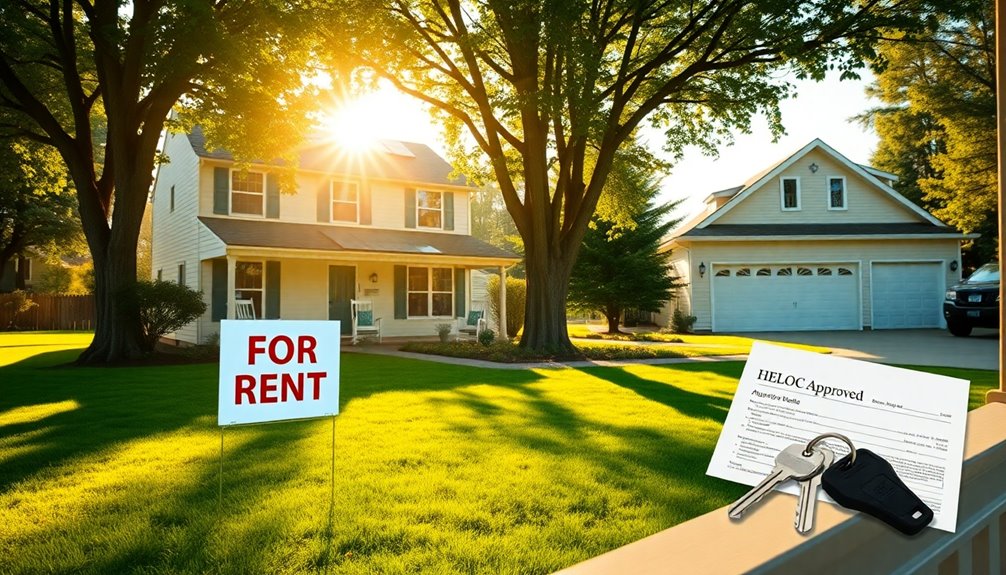
So, what’s the solution? Enter reverse mortgages—specifically, Home Equity Conversion Mortgages (HECMs). Over 1.3 million older homeowners have used them since 1990. They sound fancy, but they require some serious homework and a HUD counselor meeting.
Or, they could go for a Home Equity Line of Credit (HELOC). No big deal, right?
Older adults are also getting creative. Short-term rentals are popping up everywhere. Renting out a room or even an accessory dwelling unit (ADU) can cash flow a mortgage or utilities. It’s like having a roommate, but without the late-night pizza parties.
And let’s not forget about senior housing rentals. Those structures are yielding steady income, often charging higher rents than other demographics, particularly due to the high occupancy rates in the market.
In a nutshell, senior housing is a recession-resistant gold mine. It’s not just about roofs and walls; it’s about cash flow and stability. The market is booming, with a size of around $250-270 billion. With limited supply and high demand, older adults are tapping into their homes like never before. They’re not just aging; they’re thriving.