
Design Highlights
- The G20 summit’s climate declaration without U.S. involvement signifies a shift in global leadership towards the Global South.
- Strengthened U.S.-Saudi relations may alter Middle East dynamics, impacting regional power balances.
- Ongoing conflicts, like Israeli airstrikes and the situation in Venezuela, highlight the intersection of climate crises and geopolitical tensions.
- Research indicates that climate change exacerbates conflict likelihood, emphasizing the urgency for nations to address vulnerabilities.
- The absence of U.S. influence in crucial climate discussions raises questions about its role in shaping future global policies.
As the world spins on its axis, it seems the geopolitical landscape is shifting beneath everyone’s feet. The recent G20 summit in South Africa has become a hotbed of change, and not in a good way for the United States. The U.S. chose to boycott the summit, citing false allegations against Afrikaners. Talk about throwing a tantrum!
The U.S. boycotts the G20 summit, sulking while the world moves on without it.
Now, South Africa gets to bask in the glory of a joint climate declaration without any input from the U.S. That’s a big deal, signaling a shift in climate leadership. Who knew the Global South could be so influential?
Meanwhile, the U.S. is busy cozying up to Saudi Arabia. A civil nuclear energy declaration? Check. Approval of future F-35 fighter jet deliveries? Check. And let’s not forget the designation of Saudi Arabia as a major non-NATO ally. It’s like a strategic partnership party, and the U.S. is the one bringing the balloons.
But what does that mean for the broader landscape? It seems to underline the U.S.’s attempt to maintain influence in the Middle East, but at what cost? Furthermore, the recent U.S. judicial rulings regarding the appointment of Lindsey Halligan as U.S. Attorney being deemed illegal reflects a growing domestic instability that could further complicate international relations.
Brazil’s President Lula hailed the G20 summit as a success, which is a bit of a slap in the face to the U.S. While the U.S. sulks in the corner, the rest of the world is moving on, particularly regarding climate policies. The joint G20 declaration to tackle the climate crisis was crafted without the U.S. on board. So much for being the global leader, huh?
On the conflict front, tensions continue to escalate. Israeli airstrikes, suicide bombers in Pakistan, and a nasty situation brewing in Venezuela, where Israeli airstrikes have resulted in numerous civilian casualties. The FAA is warning airlines to steer clear of Venezuela due to security concerns.
Meanwhile, the U.S. is contemplating new covert operations. Great, just what the world needs—more chaos.
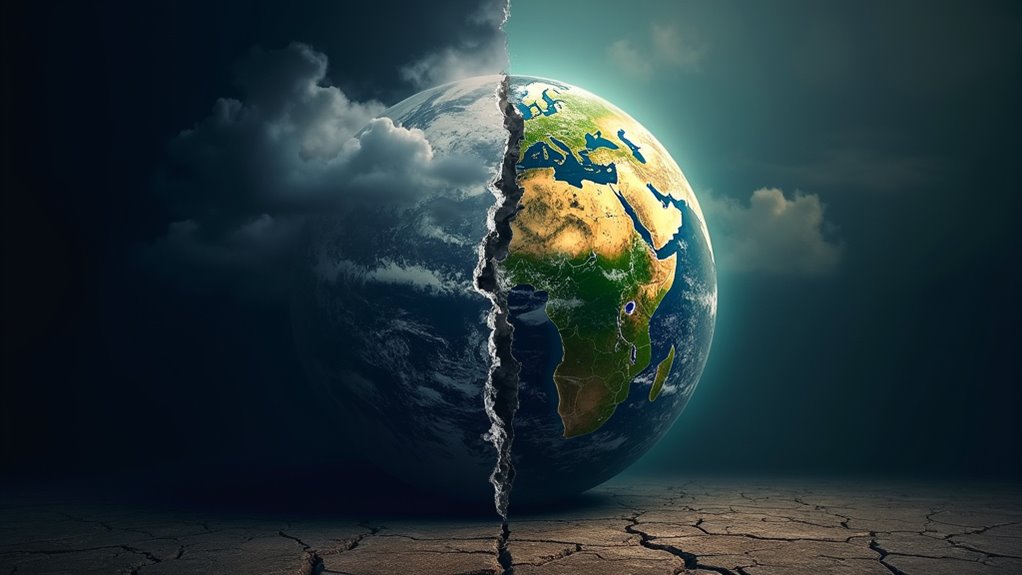
And let’s not forget the climate-conflict nexus. Research is linking climate change to conflict, highlighting a “double vulnerability.” Just as individuals face increased denial rates when they delay critical decisions about their future security, nations that postpone addressing climate vulnerabilities risk finding themselves locked out of meaningful solutions. It’s almost like the universe is playing a cruel joke.
While the blogosphere buzzes with hashtags like #climatesecurity, the reality is much grimmer. In a world where the lines of power, climate, and conflict are being redrawn, the stakes couldn’t be higher.
As nations navigate these turbulent waters, the U.S. risks being left behind, sulking in its own corner while the globe moves forward.