
Design Highlights
- Secondary perils like storms and floods now account for 73% of natural catastrophe insured losses, overshadowing traditional primary perils.
- The frequency and impact of secondary perils have increased significantly, leading to higher financial losses in recent years.
- In 2024, secondary perils contributed to over CA$9 billion in losses in Canada and $27 billion in U.S. weather event losses.
- Insurers are adjusting pricing models to reflect the growing risks associated with secondary perils, especially in high-risk areas.
- Public awareness is lacking, yet secondary perils pose significant threats that require more attention in disaster preparedness narratives.
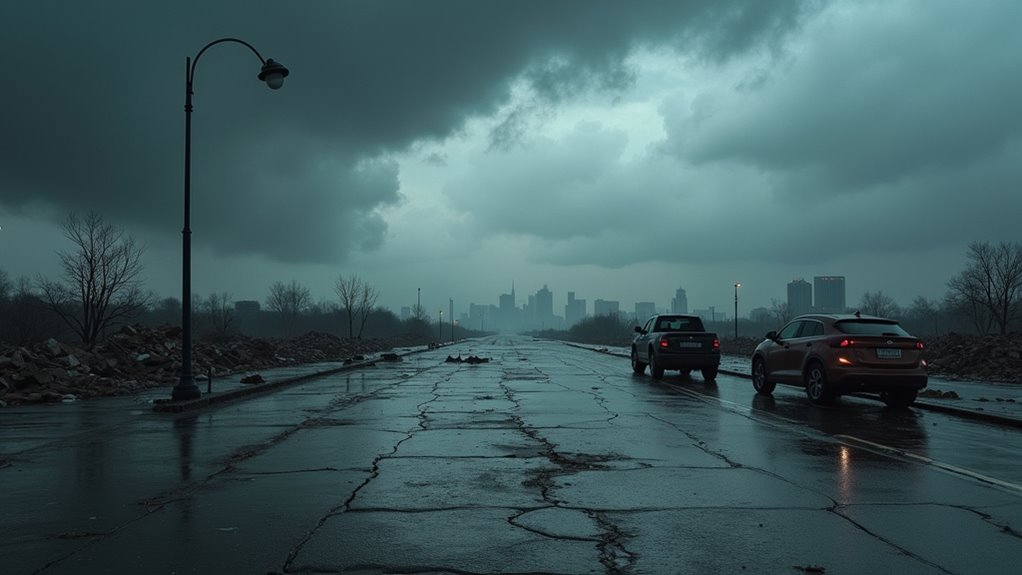
When it comes to natural disasters, America usually thinks of earthquakes or hurricanes—those big, bad primary perils that grab headlines. But here’s the kicker: secondary perils are sneaking up and stealing the show. Forget the dramatic images of storms and quakes; it’s the less glamorous, everyday disasters like severe storms, floods, and wildfires that are causing the real damage. These secondary perils aren’t just minor annoyances; they’re now the main act in the catastrophe theater.
Take Canada, for example. In 2024, secondary perils accounted for 100% of their losses, racking up over CA$9 billion. That’s a staggering leap from their previous record. In the U.S., it’s a similar story. Secondary perils drove 95% of Canadian losses from 2008 to 2024, with a whopping 62% of insurance claims in 2018 stemming from these less obvious culprits.
In 2024, Canada faced 100% losses from secondary perils, mirroring the U.S. trend of escalating insurance claims.
These events are not just frequent; they’re becoming the norm, pushing aside the flashier primary perils. Catastrophe models provide an incomplete picture of portfolio exposures related to secondary perils, making it crucial to reassess how we view and model these risks. In fact, twenty-two states see 10-year maximum property catastrophe loss ratios exceeding their 10-year medians by over 20 percentage points.
Let’s talk numbers. Between 2000 and 2024, global insured losses from secondary perils outpaced those from primary perils. In 2021 alone, 73% of all natural catastrophe insured losses came from these secondary events. That’s right—when you think of natural disasters, you might want to keep an eye on the quiet ones that don’t always get the spotlight.
Secondary perils are unpredictable beasts. They can strike multiple regions at once, and their frequency has risen sharply. In 2024, the U.S. faced $27 billion in weather events, a staggering figure that’s becoming all too common. Texas alone saw 20 billion-dollar events in a single year.
So, while everyone is busy worrying about hurricanes and earthquakes, they might want to pay attention to those thunderstorms and wildfires lurking in the background.
The insurance industry is feeling the heat. Insurers now have to reassess their pricing models because these sneaky secondary perils are hitting harder and more often. They’re not just secondary; they’re the new primary. Insurers in regions like Kentucky and Tennessee are particularly vulnerable, facing higher concentration risks. Properties in high-risk flood zones can face annual premiums ranging from $2,000 to $4,000, significantly impacting insurance affordability.
In short, secondary perils are the new heavyweights in the ring of natural disasters. They may not come with the dramatic fanfare of hurricanes or earthquakes, but they pack a punch that’s hard to ignore.