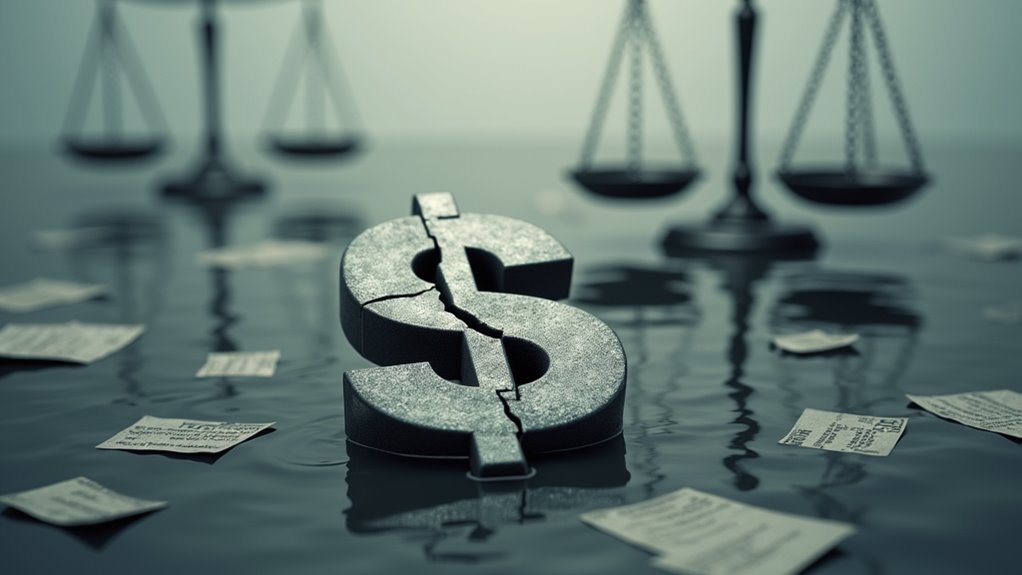

Design Highlights
- Social inflation leads to rising claims costs that exceed general economic inflation, straining insurers’ financial resources.
- Larger jury awards, often termed “nuclear verdicts,” contribute significantly to escalating liability claims against insurers.
- Judicial changes and erosion of damage caps increase insurer liabilities, making the legal environment riskier.
- Increased third-party litigation funding allows plaintiffs to pursue larger settlements, further inflating claims costs.
- Shifting societal attitudes, including distrust of corporations, influence jury perceptions and lead to higher award amounts.
Social Inflation in Insurance Markets
Social inflation in insurance markets is like that annoying friend who keeps showing up uninvited and just won’t leave. It’s become a constant presence, reshaping the landscape of liability claims in ways that no one really asked for. This phenomenon refers to the rising insurers’ claims costs, outpacing general economic inflation. It’s not just about numbers; it’s about societal shifts, legal changes, and cultural attitudes toward risk.
At its core, social inflation is a fancy way of saying that lawsuits are becoming more frequent and more expensive. Insurers are grappling with larger jury awards, often described as “nuclear verdicts.” This is not just your average payday; we’re talking about claims that soar into the tens of millions. Ouch.
Lawsuits are getting pricier and more frequent, with insurers facing jaw-dropping jury awards dubbed “nuclear verdicts.”
And let’s not forget about the erosion of damage caps. Judicial decisions are throwing those limits out the window, opening the floodgates for potential liabilities. Then there’s third-party litigation funding. It’s like adding gasoline to a fire. Plaintiffs can now secure financial backing from external investors, which leads to longer lawsuits and higher settlement demands. Talk about a recipe for disaster.
Meanwhile, societal attitudes are shifting, with a growing distrust of corporations and a widening wealth gap fueling jury perceptions. They’re not just doling out compensation; they’re sending a message. Quantitatively, the impact is staggering. The commercial auto liability sector alone saw social inflation inflate claims by more than USD 20 billion from 2010 to 2019. Insurers must assist clients in mitigating litigation and settlement costs through loss control tools.
The loss ratios have been on a steady upward climb since around 2015, thanks to those sky-high verdicts. And it’s not just auto insurance. Medical malpractice, Directors and Officers (D&O) insurance, and excess liability lines are all feeling the heat. Premiums are increasing as carriers adjust rates for larger claims.
The legal environment is another can of worms. Changing doctrines on negligence and bad faith are making insurers sweat bullets. Class action suits are becoming easier to certify, meaning more collective claims and higher stakes. And don’t even get started on venue shopping. Certain jurisdictions are notorious for being plaintiff-friendly, where juries seem to have dollar signs in their eyes. General liability insurance remains the most commonly held coverage for businesses facing these bodily injury and property damage claims.
In a nutshell, social inflation is reshaping the insurance market landscape. Insurers find themselves caught in a whirlwind of rising costs and changing societal norms. The question remains: how long can they endure this relentless assault before they throw up their hands and say enough is enough?