
Design Highlights
- Southeast Australia is experiencing a relentless heatwave, with temperatures exceeding 45°C, heightening fire risks.
- The Bureau of Meteorology issued extreme fire danger warnings, predicting catastrophic ratings due to hot, dry conditions.
- Dry thunderstorms are expected, bringing little rainfall and significant dry lightning, increasing the risk of new fire ignitions.
- Active bushfires are already raging, destroying structures and rapidly spreading due to hot, dry winds.
- Historical data indicates rising fire risks from climate change, emphasizing the urgent need for preparedness among residents.
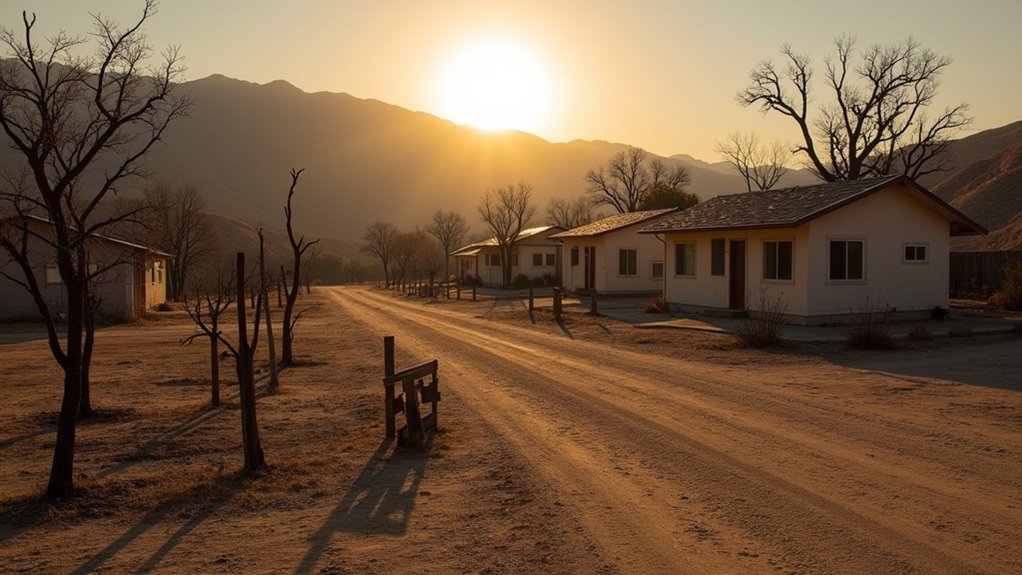
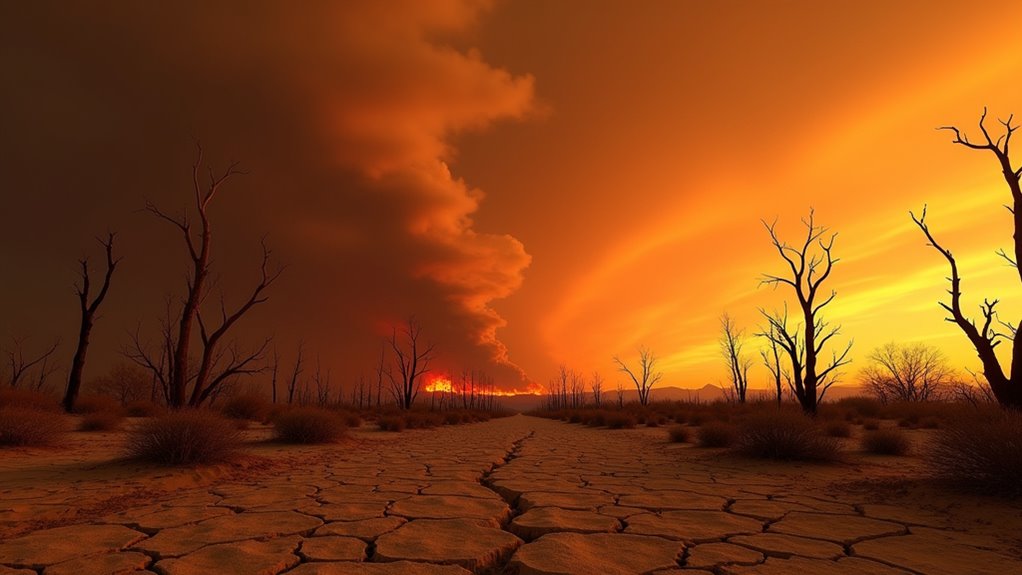
Australia is on the brink of a fiery disaster. Temperatures in some parts are soaring past 45°C (113°F). That’s not just hot; it’s like walking into an oven. Forecasts indicate a relentless heatwave is driving through southeast Australia, with Melbourne recently recording its hottest day since January 2020. Talk about a scorcher.
This heatwave is the worst the country has seen since the infamous Black Summer bushfires of 2019-2020. And it’s not just uncomfortably hot; it’s downright dangerous. The Country Fire Authority chief officer, Jason Heffernan, has labeled the situation as “as bad as it gets.” How reassuring.
The Bureau of Meteorology has warned of extreme fire danger across Victoria—on Friday, the ratings could reach catastrophic levels. This isn’t just a casual warning; it’s a full-on alarm bell. When fires start under these conditions, they don’t just flicker; they roar and spread like a beast released.
Extreme fire danger looms over Victoria, with catastrophic ratings expected—when fires ignite, they roar to life, unleashing chaos.
Adding to the chaos, dry thunderstorms are on the horizon. Yep, dry thunderstorms. They’re just as fun as they sound—little rainfall and plenty of dry lightning. According to forecaster Sarah Scully, that rain often evaporates before it even hits the ground. So, guess what? Those lightning strikes could very likely ignite new fires. Perfect.
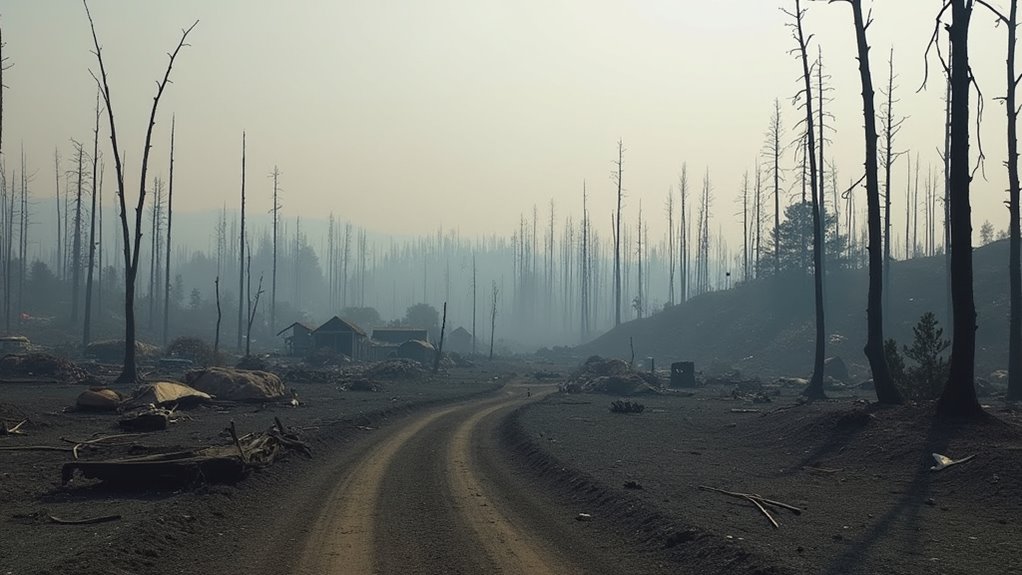
Right now, bushfires are raging near towns like Longwood and Walwa, with flames consuming over 3,000 hectares. Evacuation orders are in place for small communities, and the destruction has already claimed at least two structures. The fire danger is spreading faster than gossip at a high school reunion.
And let’s not forget the winds. Hot, dry winds are expected to whip across the region, fanning the flames unpredictably. These aren’t your friendly breezes; they’re damaging gusts that turn fires into chaotic infernos.
As firefighters battle multiple blazes dotting Victoria and New South Wales, the situation remains precarious. Authorities are bracing for the worst. Acting Victoria state premier Ben Carroll is urging people to stay on high alert. Because when it comes to wildfires, “stay alert” is the kind of advice that really makes you feel warm and fuzzy inside, right? In addition, catastrophic fire risk is being exacerbated by a lack of rainfall from thunderstorms, increasing the likelihood of new fire ignitions. With historical data indicating a warming climate and increased fire risks, the urgency for preparedness has never been higher. As emergency services scramble to respond, the financial burden mirrors trends seen in other sectors, where rising costs have put significant pressure on both individuals and organizations across the country.
With conditions escalating, it’s clear: Australia is facing one of its toughest fire seasons yet. The heat is on, and the stakes couldn’t be higher.