
Design Highlights
- Insurers may withdraw from high-risk areas, prompting consumers to seek more stable, state-backed options like California’s FAIR Plan.
- Increased scrutiny and selectivity in underwriting can lead to better risk assessment, ensuring more reliable coverage for consumers.
- Property maintenance evaluations can enhance insurability, encouraging homeowners to maintain their properties for better protection against claims.
- Insurers’ focus on premium non-payment patterns can lead to stricter policies, ultimately benefiting consumers through more sustainable coverage options.
- Frequent switching of carriers may trigger higher loss ratios, motivating consumers to stay with insurers that offer better long-term stability.
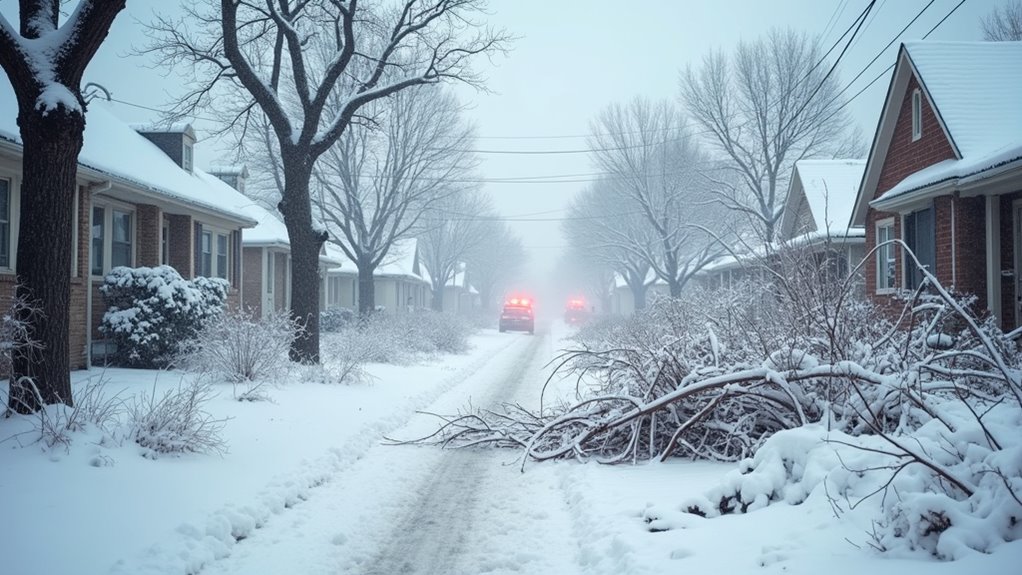
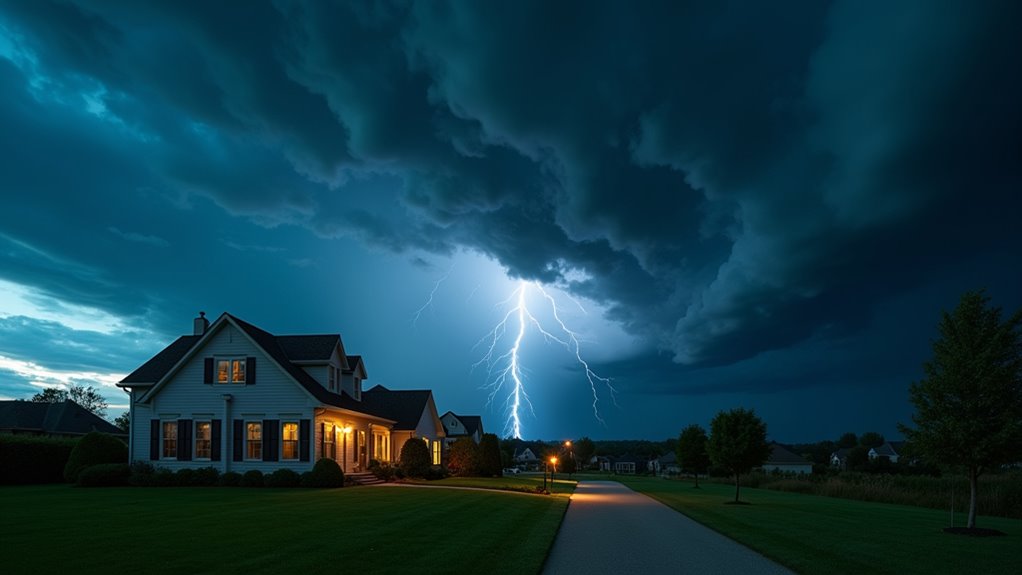
When the sky opens up and releases chaos—think wildfires, hurricanes, and floods—insurance can feel like a safety net that’s suddenly yanked away. It’s a rude awakening, isn’t it? As climate-related disasters become more frequent and severe, insurers are scrambling. They’re reassessing their risk exposure in places where the weather seems to have gone rogue. California, for instance, has seen major insurers pulling out, unable to handle the staggering losses from wildfires. Talk about a game of musical chairs where the music just stopped.
Federal bodies, like the Federal Insurance Office (FIO), have linked these adverse market conditions directly to the worsening climate. It’s not just a coincidence; it’s become a harsh reality. With the private market retreating, many folks are now leaning on state-backed insurance plans, such as California’s FAIR Plan. They’re starting to look like the last lifeboats on a sinking ship.
And let’s not forget about premium non-payment. It’s a classic move—almost like a sitcom plot twist. Nearly two million people enrolled in health insurance plans but didn’t pay their premiums within two months. That’s a big “oops.” Non-payment isn’t just a minor hiccup; it’s a significant administrative headache for insurers. They’re tracking these patterns like detectives on a case, trying to figure out when people are most likely to bail on their payments. Spoiler alert: it often comes down to the timing of payment cycles. As highlighted in a recent report, 1.9 million individuals failed to continue their premium payments, demonstrating the ongoing struggles consumers face.
Then there’s material misrepresentation and fraud. It’s a fancy way of saying that some people just can’t help but lie on their insurance applications. When insurers catch wind of this during underwriting, it raises red flags. Policies with past cancellations due to misrepresentation are seen as ticking time bombs, and insurers tread carefully. When legal defense costs pile up from contested liability claims, insurers become even more selective about which risks they’re willing to take on.
Property maintenance issues? Don’t even get started. If a property is falling apart, insurers deem it a higher risk. They assess property conditions like hawks, ready to swoop in on renewal decisions. A poorly maintained house? Good luck getting coverage when the renewal comes up.
In a world where homeowners frequently switch carriers, it’s a circus. Those who hop around show a 40% higher loss ratio. Insurers are left scratching their heads, wondering if they’re still stable enough to keep clients. The financial strain on insurers in high-risk areas leads to a more cautious approach to policy renewals, further complicating the landscape. In the end, it’s a messy world where insurance can vanish quietly, but sometimes, just sometimes, that leads to better protection in the long run.