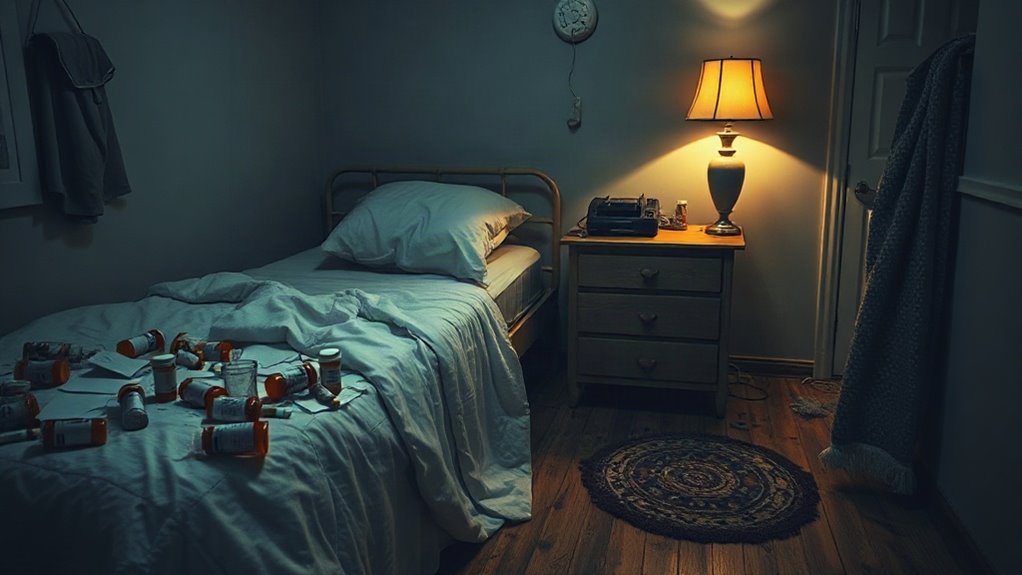

Home care can take a dark turn faster than you’d think. Sudden mood swings? Withdrawal from activities? Unexplained bruises? That’s a red flag parade. Financial woes and safety hazards creep in, too—think slipping on floors or dodging medication mix-ups. It’s not all sunshine and happy nurses. Neglect and anxiety can silently creep in while families stand by, clueless. Ignoring these signs might turn care into chaos. Want to know how to spot these dangers? Keep going.
Design Highlights
- Sudden mood swings and withdrawal from activities can indicate emotional distress, signaling a decline in home care quality.
- Unexplained bruises or neglect indicators such as poor hygiene and weight loss may suggest caregiver issues or unsafe conditions.
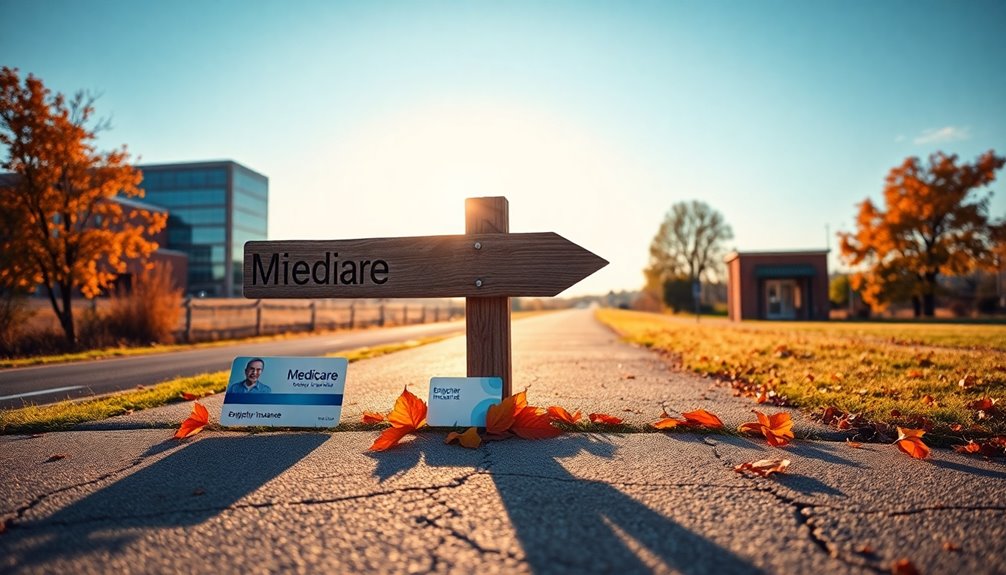
- Financial red flags, like rapidly disappearing funds or insurance coverage gaps, can compromise care quality and safety.
- Home hazards, including falls, medication mismanagement, and infections, pose significant risks that families must actively address.
- Implementing a formal safety plan and utilizing home safety assessments can prevent dangerous situations and enhance overall care.
Identifying Warning Signs and Action Steps for Unsafe Home Care
How can families really tell if home care has taken a turn for the worse? It’s not always easy. Sudden mood swings? Check. Withdrawal from activities? Big red flag. And those unexplained bruises? Yeah, that’s not normal. If the caregiver makes the senior anxious or fearful, something’s off.
Let’s talk hygiene. A messy home and a dirty patient? Not a good combo. Malnutrition and unexplained weight loss? That’s neglect, folks. And if finances start disappearing faster than a magician’s rabbit, watch out—someone might be playing games. It’s crucial to note that over 75% of adults age 50+ want to stay in their current homes as long as possible, making safe home care even more vital.
Ignoring these signs? Well, that’s just asking for trouble. Families need to act fast. Document everything. Get a professional in to assess. Don’t wait for the situation to get worse; it might already be too late. Research shows that adverse childhood experiences can reduce retirement wealth by as much as 44–77%, meaning seniors with financially strained backgrounds may already have fewer resources to fall back on when care situations deteriorate.
Common Home Care Hazards and How to Mitigate Them
What makes home care so risky? Let’s get real—falls are the big bad wolf. Stairs, clutter, and slippery floors? A disaster waiting to happen. And those meds? They can turn a steady walker into a dizzy disaster. Then there’s the pressure injuries; sitting still isn’t just boring—it’s dangerous. With skin breakdown lurking, bedsores are a ticking time bomb.
Infections? Oh joy. Wound care and hygiene can be hit or miss, leaving a path for germs to throw a party. Shared equipment without proper cleaning? That’s like inviting trouble home. Additionally, home safety assessments can help identify hazards before they lead to serious incidents.
In short, home care is a minefield. The hazards are everywhere, and ignoring them? That’s just asking for trouble. Insurance coverage gaps can compound these dangers, as families facing arbitrary caps on home nursing may find themselves without adequate professional support precisely when it matters most. Time to wake up and smell the risks.
How Can You Make Home Care Safer?
Ever wonder how to turn that cozy home into a safety fortress? Start with a formal home care safety plan. Create a room-by-room checklist—because ignoring hazards won’t make them disappear. Keep emergency contacts handy; you never know when you’ll need a neighbor’s number. Medication safety? Don’t wing it. Use a reminder system and keep everything organized. Caregivers should be trained to recognize emergencies, not just make tea. Install grab bars and improve lighting—because tripping over furniture is not a fun game. And for goodness’ sake, test those smoke detectors regularly. Regular home safety checklists can help identify risks and ensure a safer living environment. About 40% of U.S. homes have aging ready features, helping to reduce fall and accident risk. Emergencies happen. Be prepared! It’s not just about comfort; it’s about keeping loved ones safe. A little planning goes a long way in preventing chaos. Unexpected health deterioration can also strain finances, making long-term disability insurance a critical safety net for seniors who lose the ability to work or manage care costs independently.