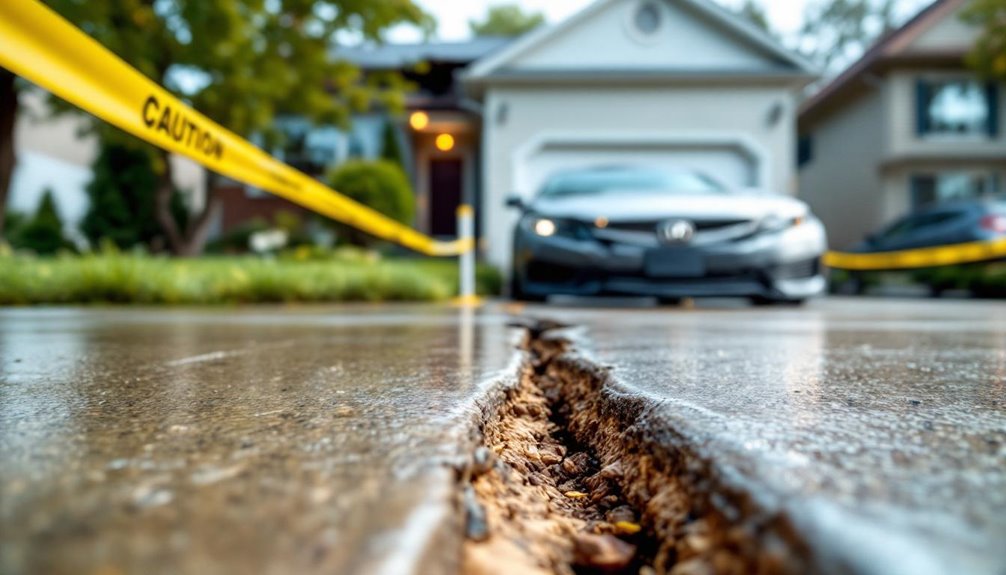

Property and casualty insurance covers the financial mess when physical assets get damaged or someone gets hurt. It protects homes, cars, businesses, and basically anything tangible that can break, burn, or get stolen. The casualty part kicks in when someone’s legally liable for injuring another person or wrecking their stuff. Think car accidents, slip-and-falls, or that tree that crushed the neighbor’s fence. It’s the safety net for life’s expensive accidents. The details below break down exactly what’s covered and why it matters.
Design Highlights
- Property and Casualty Insurance provides financial protection for physical assets and legal liabilities from accidents, damages, and losses.
- Property insurance covers tangible assets including homes, vehicles, personal belongings, and business equipment against damage or loss.
- Casualty insurance focuses on liability protection when you’re legally responsible for bodily injury or property damage to others.
- Common P&C products include auto, homeowners, renters, umbrella, and commercial business insurance policies for various risks.
- P&C insurance excludes health and life coverage, specifically addressing physical property damage and negligence-related liability claims.
Property and casualty insurance—P&C for short—covers the stuff people own and the trouble they cause. It’s about financial protection when things go wrong. Cars get wrecked. Houses burn down. Someone slips on your sidewalk and sues. That’s where P&C insurance steps in. It handles losses related to physical property and legal liabilities for injuries or damages. What it doesn’t cover? Health or life insurance. Those are different animals entirely.
P&C insurance handles the financial mess when your property breaks or you’re legally responsible for someone else’s loss.
Property insurance protects tangible assets. Homes, vehicles, business buildings—the physical things that can be damaged, lost, or stolen. Dwelling insurance covers residential structures. Homeowners insurance goes further, protecting not just the building but personal belongings and liability for accidents happening on the property. Renters get their own version that covers personal property and liability but not the building itself—because they don’t own it. Renters insurance typically includes personal liability coverage that pays for guest injuries when the tenant is legally responsible, along with medical payments to others for immediate expenses.
Commercial property insurance does the same thing for businesses, covering buildings, machinery, inventory, and furniture. There are specialized options too: inland marine, ocean marine, equipment breakdown, crime insurance. Property policies compensate for direct losses and sometimes indirect ones, like lost income when damage shuts down operations.
Casualty insurance is the liability side. It protects against lawsuits when the insured causes bodily injury or property damage to someone else. General liability, commercial liability, professional liability, employment practices liability insurance—the list goes on. Workers’ compensation falls here too, covering employee injuries at work. Liability losses often stem from negligence in personal actions.
Business interruption insurance replaces lost income when operations halt due to covered events. Cyber liability handles financial losses from data breaches or cybercrimes. Because apparently even digital disasters need their own insurance now.
For individuals, the common P&C products are straightforward. Auto insurance covers vehicles and liability for accidents. Coverage factors include vehicle make, driving record, location, and the driver’s age. Homeowners insurance bundles structure, belongings, and liability protection. Umbrella insurance extends liability coverage beyond standard policies, offering extra protection across multiple areas. Specialty policies exist for floods, earthquakes, and powersports vehicles.
Businesses get more complex coverage. Commercial property insurance protects buildings and business personal property from fire, vandalism, and other perils. Business liability insurance shields companies from claims related to injury, property damage, advertising injury, and personal injury.
Policies can list multiple insured entities depending on business structure—LLCs, partnerships, corporations. Premises and operations liability covers accidents on business property or during business activities. Commercial auto insurance protects company vehicles used in business operations.
P&C insurance is fundamentally about transferring risk. Something breaks or someone gets hurt, and the financial fallout doesn’t land entirely on the policyholder. Simple concept, endless variations.
Frequently Asked Questions
How Much Does Property and Casualty Insurance Typically Cost per Year?
Property and casualty insurance costs vary wildly, but homeowners policies average $1,966 to $2,424 annually for $300,000 dwelling coverage.
That’s the national picture. Reality? It depends. Location matters—coastal states pay way more.
Credit score is huge; excellent credit means around $1,213, poor credit pushes past $9,000. Older homes cost more. Previous claims jack up rates.
Deductibles and coverage limits shift prices dramatically. Some folks pay $1,090, others hit $3,353 for standard policies.
No simple answer exists.
Can I Bundle Property and Casualty Insurance With Other Insurance Types?
Yes, bundling property and casualty insurance with other types is common.
Auto and homeowners insurance are frequently packaged together. Renters can bundle their policies with auto coverage too. Umbrella insurance often gets tossed in for extra liability protection.
The perks? Discounts on premiums, one bill instead of multiple, and easier claims handling.
But here’s the catch—bundling doesn’t always mean cheapest. Shop around. Compare bundled versus separate quotes.
And note: specialized coverage like flood or earthquake insurance typically stays separate.
What Factors Affect My Property and Casualty Insurance Premium Rates?
Property and casualty insurance premiums get hammered by a ton of factors.
Location matters—coastal homes and disaster-prone areas cost more. The property itself counts too: age, construction type, roof condition, and what it’d cost to rebuild.
Personal stuff like credit score and claims history play in. Then there’s the economic side—inflation, reinsurance costs, and market cycles all push rates around.
Higher deductibles drop premiums. It’s complicated.
Is Property and Casualty Insurance Tax Deductible for Businesses?
Yes, property and casualty insurance premiums are generally tax deductible for businesses. The IRS considers them ordinary and necessary business expenses.
This includes general liability, commercial property, professional liability, workers’ comp, and business interruption insurance. Basically, if it protects business assets or operations, it’s deductible.
These deductions reduce taxable income, which lowers tax liability. Pretty straightforward. Businesses just need to document everything properly for IRS compliance.
Personal casualty losses? Different story entirely.
How Quickly Are Property and Casualty Insurance Claims Usually Processed?
Property and casualty claims averaged 32.4 days from filing to finished repairs in 2025—up from 23.9 days in 2024.
That’s the longest wait since tracking began in 2008. Standard claims take about 23.8 days, but disaster-related ones stretch to 34.2 days.
Digital submissions cut processing time by roughly 46%, though. AI photo estimates deliver damage assessments within 24 hours for 78% of claims. Traditional inspections? Five to seven days minimum.