
Design Highlights
- A consistent occurrence of $100 billion disasters challenges the viability of traditional insurance models, leading to potential market instability.
- Insurers may raise premiums or withdraw coverage in high-risk areas, leaving many without adequate protection.
- The increasing frequency of catastrophic losses could result in a significant rise in the global insurance protection gap.
- Historical patterns in underwriting may become less reliable as disaster severity and frequency escalate.
- A lack of insurability could prompt governments to step in with public insurance options or disaster relief programs.
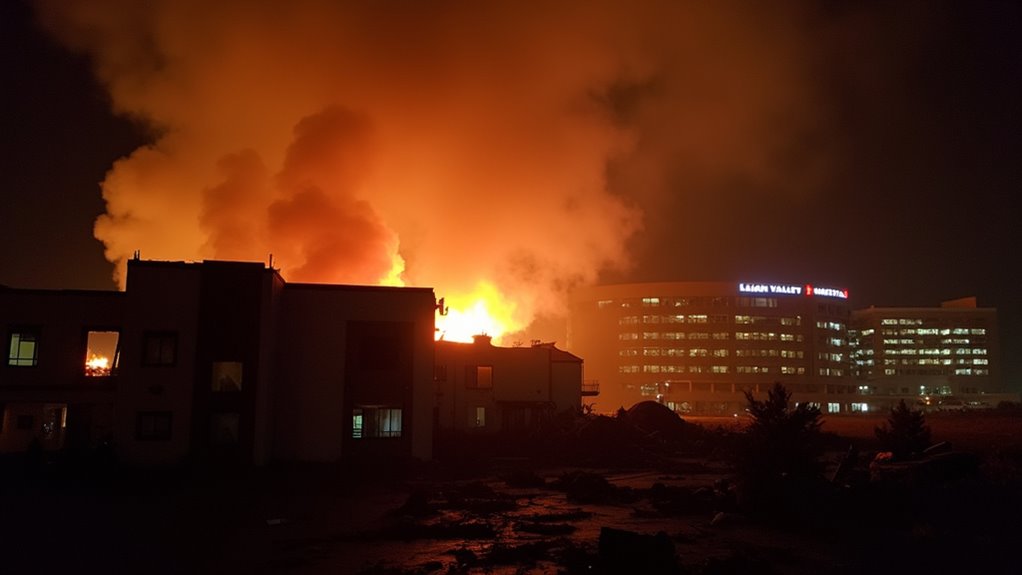
What does it take for global insured losses to crack the $100 billion mark? In the first half of 2025, it took a whirlwind of disasters, severe convective storms, and a whole lot of chaos. The numbers tell the story: a staggering $100 billion in insured catastrophe losses. But hey, it’s not just a one-off. This marks the sixth consecutive year that insured losses have surpassed the $100 billion ceiling.
The U.S. alone accounted for over 90% of that. Yep, you heard it right—around $92 billion. Talk about a disaster zone.
The U.S. took the lion’s share, racking up a jaw-dropping $92 billion in insured losses.
By the end of September, the estimates showed that global insured losses hit around $105 billion, dipping slightly from the previous year’s record of $141-147 billion. But don’t let that lull you into a false sense of security. The economic damage? A whopping $126 billion in the U.S. alone during the first half, shattering records from as far back as 1994.
Global economic losses reached $214 billion, still below the 10-year average. And here’s the kicker: the global insurance protection gap hit a record low of 38%. In layman’s terms, that’s just a fancy way of saying people aren’t covered enough.
The U.S. severe convective storms alone racked up $44 billion in insured losses in the first half—third-highest in history. March storms? They caused $7 billion in losses. But it’s not just storms; 24 global events caused over $1 billion in economic losses. Crazy, right? The majority of those billion-dollar events happened right in the U.S.
Interestingly, the U.S. concentration of losses led to the lowest global insurance protection gap on record. The increasing trend of insured losses emphasizes the urgency for insurers to adapt to this new reality.
Now, let’s talk regional disparities. The U.S. shows high insurance penetration, which means less of a protection gap. But in Europe, natural disaster losses only hit $11 billion, and about half of that was insured. So, while Americans are scrambling for coverage, Europeans are still figuring out their disaster insurance strategy.
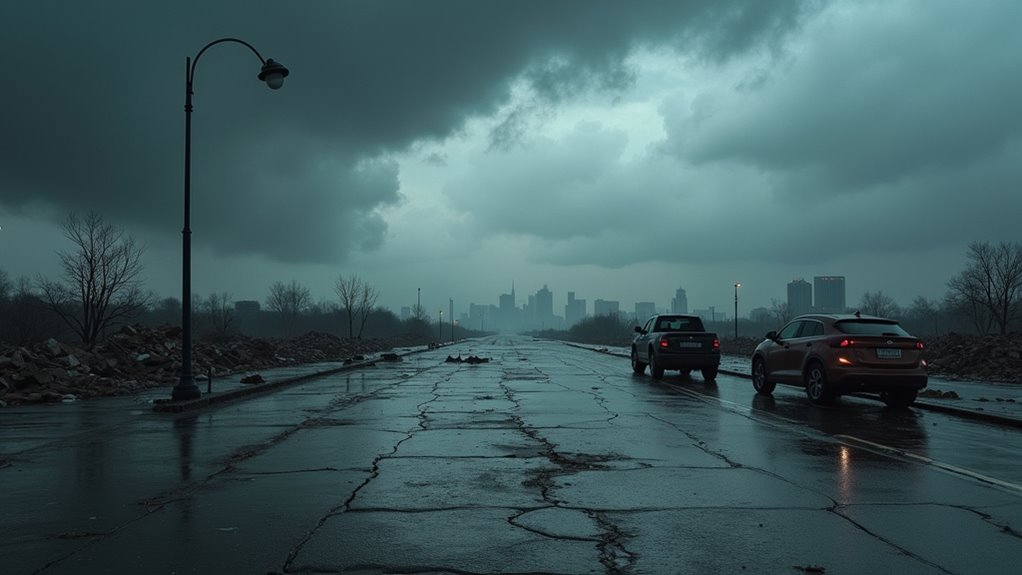
And what does this all mean? If $100 billion disasters become the norm, are they even insurable anymore? Insurers are raising premiums or withdrawing coverage in several states like California and Florida. It’s a mess, and one can’t help but wonder if a world with consistent $100 billion disasters is a world that can be insured. Underwriting assesses risk based on factors like location and historical disaster patterns, but when catastrophic losses become routine, the traditional insurance model may no longer be viable.
Every major peril has seen $10 billion+ events. The trend is scary, and the stakes are high. The future of insurability looks bleak, and that’s putting it mildly.