
Design Highlights
- U.S. forces seized the Russian-flagged tanker Marinera in the North Atlantic, linked to sanctions evasion involving Venezuela, Russia, and Iran.
- The operation followed a weeks-long pursuit and was executed under a U.S. judicial order aimed at enforcing sanctions.
- Marinera, previously named Bella 1, is part of a “Venezuelan shadow fleet” notorious for dodging sanctions and operating under false identities.
- The seizure reflects ongoing geopolitical tensions and collaboration between U.S. and U.K. forces in countering maritime threats.
- The incident underscores the complexities of international maritime operations amid efforts to combat illicit oil transport and sanctions violations.
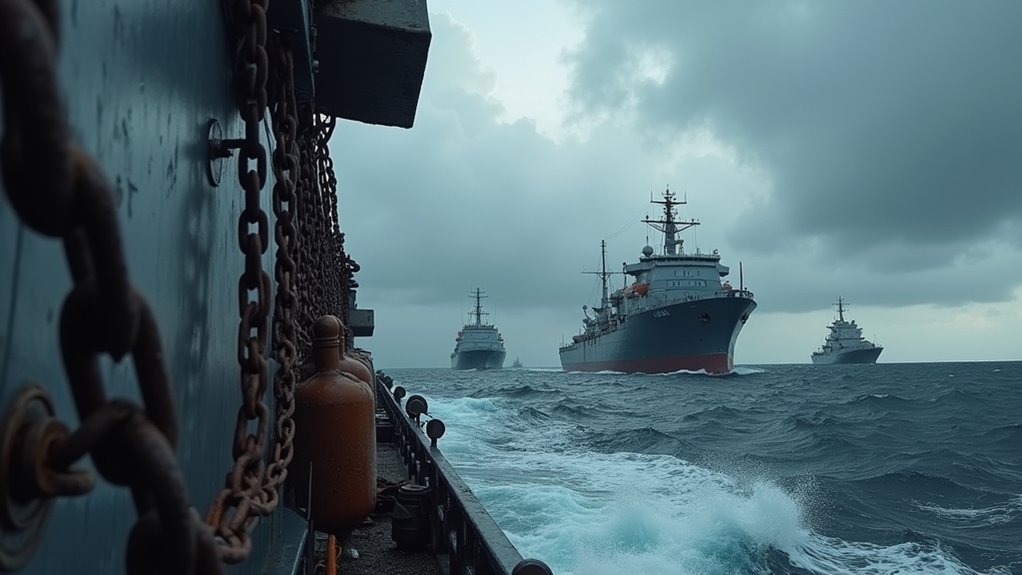
In a bold move that sounds like something straight out of a high-stakes thriller, U.S. forces intercepted and seized the Russian-flagged oil tanker Marinera in the North Atlantic. This wasn’t just a random act of piracy; it was the culmination of a weeks-long pursuit. The Marinera, formerly known as Bella 1, had been classified by U.S. officials as part of a so-called “Venezuelan shadow fleet,” a vessel deemed stateless after allegedly flying a false flag. You could say it was like a game of maritime hide-and-seek, except the stakes were way higher.
This operation was not just about one ship. It fit into a broader U.S. campaign targeting tanker networks that were busy moving sanctioned oil around for Venezuela, Russia, Iran, and their buddies. The seizure was backed by a U.S. judicial order, all about sanctions and evasion. It’s like the legal system decided to play hardball, and this tanker was caught in the crossfire.
The Marinera was identified as a key player in this sanctions-evasion game, with a history that suggests it’s been up to no good under various names.
The Marinera has a storied past, consistently dodging the law while playing a central role in the sanctions-evasion game.
What’s the scoop on the cargo? Well, the Marinera had already been sanctioned by the U.S. Treasury’s Office of Foreign Assets Control back in June 2024 for its shady dealings in Iranian oil transport. U.S. officials alleged it was carrying oil that benefitted the likes of Venezuela, Russia, and Iran. Seriously, how many red flags can one ship raise? It reportedly loaded crude oil at Kharg Island in Iran while switching off its AIS to dodge any tracking. Sneaky, right?
U.S. and U.K. officials framed it as a critical part of a Russian–Iranian sanctions-evasion axis, financing everything from conflicts to terrorism. Just another day in the geopolitics playground. The incident has raised concerns about potential heightened military confrontations in international waters.
The Marinera was intercepted while it was sailing from the Caribbean, apparently on a path to a Russian port. It was over 500 kilometers from the nearest coast when distress calls went out. Talk about a dramatic scene! U.S. military personnel had been tracking this ship for weeks, and they finally boarded it under a court order. U.S. forces collaborated with the U.K. during the operation, showcasing a united front against maritime threats.
The U.K. played a supporting role, providing surveillance and backup, but they didn’t actually board the vessel. It was a joint effort, but let’s be real—the U.S. was calling the shots.
In the grand scheme of things, this seizure is just one more wrinkle in the ongoing saga of sanctions and international intrigue. Operating vessels in violation of international sanctions could result in fines from $10,000 to $100,000 or even criminal prosecution in some jurisdictions. It’s a wild world out there on the high seas, and the stakes keep getting higher.