
Design Highlights
- California DMV cited Tesla for misleading marketing regarding “Autopilot” and “Full Self-Driving” terms, leading to regulatory scrutiny.
- A 30-day suspension of Tesla’s licenses was recommended, threatening significant sales in California.
- Tesla promptly revised its marketing, removing “Autopilot” and rebranding “Full Self-Driving” to emphasize required driver engagement.
- Despite marketing changes, Tesla’s technology still necessitates constant human supervision for safe operation.
- The situation underscores ongoing challenges in balancing innovation with accountability in the auto industry.
Tesla’s marketing game has hit a major speed bump, and it’s about time someone called it out.
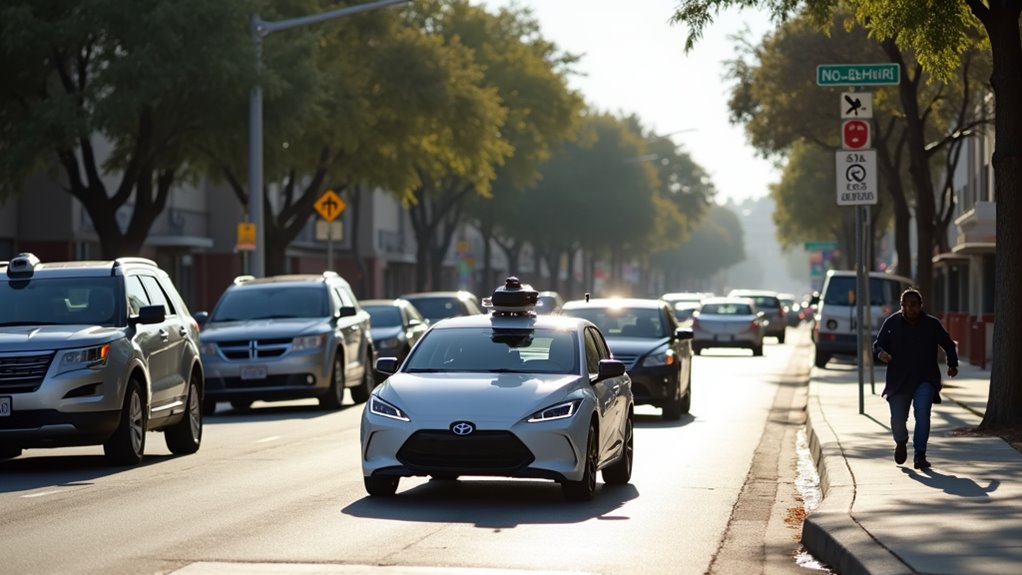
In December 2025, the California DMV decided enough was enough. They slapped Tesla with a violation for misleading marketing practices. The terms “Autopilot” and “Full Self-Driving” were thrown around like confetti, but they didn’t match the reality of what the vehicles could actually do. Spoiler alert: they couldn’t drive themselves, not then and not now.
Those flashy ads promising “short and long-distance trips with no action required by the person in the driver’s seat”? Just smoke and mirrors.
This all kicked off back in May 2021 when those deceptive marketing materials first hit the public. Fast-forward to November 2023, and the DMV had enough evidence to file serious accusations against Tesla’s manufacturer and dealer licenses. An administrative law judge even recommended a 30-day suspension.
Imagine that—a sales ban in California, which accounts for nearly a third of Tesla’s U.S. sales. Talk about a nightmare scenario! But the regulators weren’t playing around; they warned of license suspension if Tesla didn’t get its act together.
Tesla scrambled to comply. Within 60 days of the ruling, the company stopped using “Autopilot” in its California marketing. “Full Self-Driving” got a makeover, transforming into “Full Self-Driving (Supervised)”—a clear nod to the fact that drivers still needed to be engaged.
The marketing materials shifted, and “Autopilot” was rebranded as “Traffic Aware Cruise Control.” You could almost hear the sigh of relief from Tesla HQ. They dodged a bullet! The DMV even put a permanent stay on the suspension of their manufacturing license after confirming compliance. No suspension meant Tesla could keep selling cars in the largest automotive market in the country.
But let’s not forget the irony. All those flashy features like alerts for stop signs and traffic lights? They still require constant human supervision.
So, while Tesla’s marketing may have been cleaned up, the reality of the technology still demands a vigilant driver. It’s like putting a bow on a bicycle and calling it a car. It’s all smoke and mirrors, folks.
The market may sigh in relief, but the real question remains: can Tesla keep its promises without the hype? This whole debacle serves as a reminder that even with advanced technology, drivers need proper auto insurance to protect against financial disaster when accidents inevitably happen. Only time will tell.