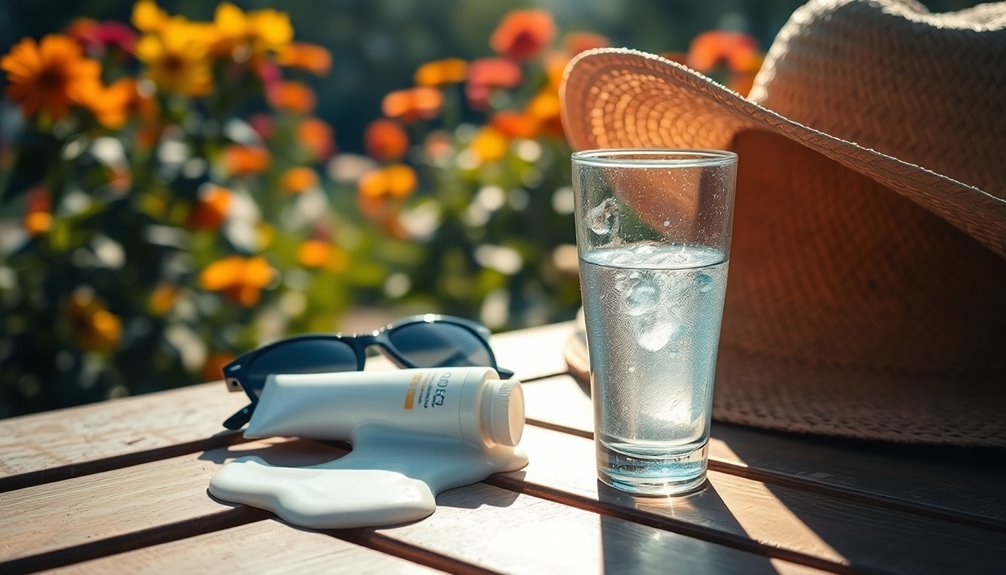

Summer can be brutal for Medicare beneficiaries, yet many dismiss serious heat risks as myths. Seniors hardly sweat and are often clueless about rising temperatures. Add chronic conditions and medications into the mix, and it’s a recipe for disaster. Dehydration symptoms can sneak up, and confusion isn’t just old age—it’s a warning. And let’s not ignore sun safety! Ignoring these glaring issues won’t keep anyone cool. Stick around for more eye-opening info on this deadly summer concern.
Design Highlights
- Many seniors believe they are adequately hydrated when thirst arises, but this can signal dehydration already present.
- The “eight glasses a day” guideline is misleading; individual fluid needs vary and should include water-rich foods.
- Seniors often underestimate the risks of heat-related illnesses due to reduced awareness and chronic conditions exacerbated by medications.
- Moderate caffeine consumption does not negate hydration; it can still contribute to overall fluid intake for seniors.
- Sun exposure during peak hours can significantly increase risks; protective clothing and sunscreen are essential for outdoor activities.
Understanding Heat-Related Illness Risks for Seniors
When summer hits, the risk of heat-related illnesses for seniors skyrockets.
As summer approaches, seniors face a heightened risk of heat-related illnesses that demands attention and care.
Aging isn’t just about wisdom; it’s also about sweating less. Seniors over 65 produce markedly less sweat, which is a big deal when the mercury rises. Their bodies struggle to cool down because blood flow to the skin is limited. And guess what? They often don’t even realize how hot they’re getting. Reduced sweating decreases their natural cooling efficiency, making them more vulnerable to heat-related illnesses. In fact, heat-related mortality for people over 65 has increased by ~85% between 2000–2004 and 2017–2021.
Medications for common ailments like diabetes or blood pressure? Yeah, they can make things worse. Combine that with chronic conditions and a homebound lifestyle, and you’ve got a recipe for disaster. For seniors in rural areas, where rural hospital closures have reduced local specialist availability, managing these compounding risks becomes even more difficult when a heat emergency strikes.
High humidity can turn a seemingly mild day into a sauna. It’s not just hot; it’s dangerous. Seniors need to stay vigilant. Heat is no joke.
Common Dehydration Myths for Seniors
How can something as simple as hydration turn into a minefield of misconceptions for seniors? First off, thirst isn’t a reliable signal. By the time seniors feel parched, they’re already running low. Not cool. And guess what? It’s not just plain water that hydrates. Foods like watermelon and cucumbers? They count too!
Then there’s caffeine. Surprise! That morning coffee doesn’t turn you into a desert. Moderate amounts actually help keep you hydrated. Recent evidence shows that caffeine no longer universally excludes beverages from hydration totals.
Think dehydration is just dry mouth? Think again. Confusion and fatigue can signal trouble, especially since older adults may experience a diminished sense of thirst that delays fluid replenishment.
Finally, that “eight glasses a day” rule? It’s a guideline, not a decree. Fluid needs vary. Seniors should also stay alert to unexpected health disruptions, as dehydration-related confusion can sometimes make them more vulnerable to scams—making it wise to monitor accounts regularly for any unauthorized activity during recovery. Let’s drop the myths and get real about hydration—seniors deserve better.
Key Sun Safety Tips for Seniors on Medicare
Summer brings sunshine, but for seniors, it can also mean increased risks. The sun’s rays don’t care about age; they can wreak havoc on delicate skin. Here are some essential sun safety tips:
- Sunscreen is Non-Negotiable: Choose broad-spectrum SPF 30 or higher. Lather it on 15–30 minutes before stepping out. Reapply every two hours—yes, even if it feels annoying. Diminished cellular repair heightens the risk of skin cancer, so don’t skip this step! Additionally, remember to apply sunscreen to all uncovered areas, including the ears and back of the neck.
- Timing is Everything: Avoid the sun’s peak hours between 10 a.m. and 4 p.m. Seriously, no one needs a sunburn just for a stroll.
- Dress Smart: Lightweight, long-sleeved clothing is your friend. And grab a wide-brimmed hat—unless you enjoy looking like a lobster. Prolonged sun exposure can accelerate conditions like macular degeneration and glaucoma, making protective eyewear and routine eye exams an essential part of any senior’s summer health plan.
Stay safe. The sun won’t hold back, and neither should your precautions.