
Design Highlights
- Over 50 hospitals in South Florida are at or exceeding ICU capacity, leading to compromised patient care and longer wait times.
- Workforce shortages, with significant nurse attrition, exacerbate the burden on remaining staff, affecting patient outcomes.
- Rising COVID-19 cases are overwhelming hospitals, with over 8,200 patients treated in just one week, straining resources further.
- High emergency room costs and for-profit hospital admission patterns increase financial strain on patients seeking care.
- Projections indicate severe physician and nurse shortages by 2035, threatening the long-term stability of South Florida’s healthcare system.
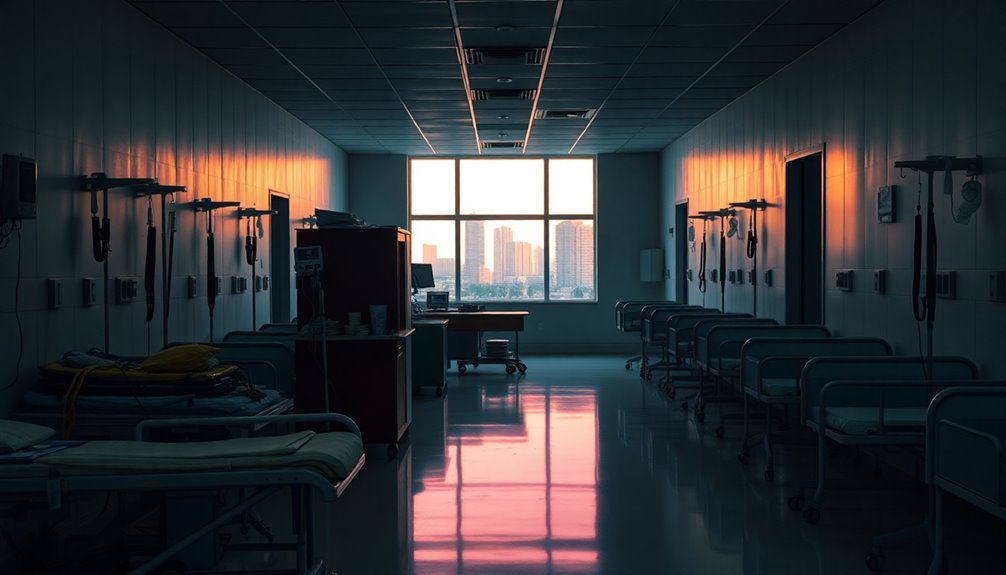
South Florida is in the middle of a healthcare nightmare. Hospitals are bursting at the seams. Over 50 hospitals in the region have hit their ICU capacity, and some are running at a staggering 107%. Yep, you read that right—107%. That’s like cramming ten people into a five-person car. Miami-Dade County is particularly hard hit, with iconic facilities like Baptist Hospital and Jackson Memorial barely able to keep their heads above water. Memorial Hospital West is sitting at an almost unbelievable 89% overall bed usage, and don’t even get started on Jackson Regional, which has only 9% of its beds left. It’s a scene straight out of a dystopian film.
And who’s supposed to care for all these patients? Oh, that’s right—nurses and medical staff. But here’s the kicker: Jackson Health System has lost at least 400 nurses due to infections and attrition. One-third of the patients they’re treating are confirmed COVID cases. Meanwhile, Cleveland Clinic Florida reports that 250 of its employees are out with the virus. The healthcare workforce is crumbling, and hospitals have spent an estimated $150 million just to cover shifts. That’s a lot of overtime pay for a system already on the brink.
But wait, it gets better. During just one week, Florida hospitals treated over 8,200 confirmed COVID patients. The state logged nearly 9,200 new cases and 132 deaths. It’s a numbers game, and right now, the house is losing. For-profit hospitals are admitting emergency patients at rates almost 20% higher than their nonprofit or public counterparts, adding to the chaos. Patients are stuck in emergency rooms that have the highest costs in the nation. Surprise! Strain on the system means strain on your wallet.
And looking down the road, things don’t look any prettier. Florida is projected to face a shortage of nearly 18,000 physicians and 59,000 nurses by 2035 if trends continue. That’s a lot of empty scrubs. Meanwhile, chronic nursing shortages are expected to persist unless someone decides to invest in the workforce. Spoiler alert: Medicare, Medicaid, and private insurers aren’t increasing funding. So, good luck with that. The 2024 overall nursing vacancy rate is 7.8%, which highlights the urgent need for effective workforce strategies.
The Omicron variant is just the cherry on top of this healthcare sundae. It’s fueled record infection rates among hospital staff, adding even more stress to an already strained system. Sure, it may be milder for some, but that doesn’t mean patients aren’t being pushed into the hospital for other issues, thanks to systemic delays. More than 50 hospitals are already at ICU capacity, further pushing the system toward collapse. Talk about a vicious cycle.
In short, South Florida‘s healthcare system is bleeding out. And while it’s all too easy to point fingers, the reality is that patients are paying the price. Compounding the crisis, insurers imposing arbitrary caps on coverage force patients out of home-based care settings and into hospitals, where a single overnight stay can cost upwards of $10,000. With overwhelmed hospitals, staff shortages, and skyrocketing costs, it’s hard to see how the situation will improve anytime soon. Welcome to the future of healthcare—if you can find a bed.