
Design Highlights
- Insurers believe that new liabilities will shift from drivers to manufacturers, maintaining a need for insurance products.
- Commercial auto insurance may evolve, focusing on product liability and cyber coverage rather than personal auto policies.
- Self-driving cars could reduce accidents, but new tech-related risks will require specialized insurance solutions.
- Regulatory changes will necessitate adaptation, creating opportunities for insurers to develop innovative policies.
- The growth of robotaxis and decreased vehicle ownership may alter, but not eliminate, the insurance landscape.
Self-Driving Cars and Motor Insurance Market****
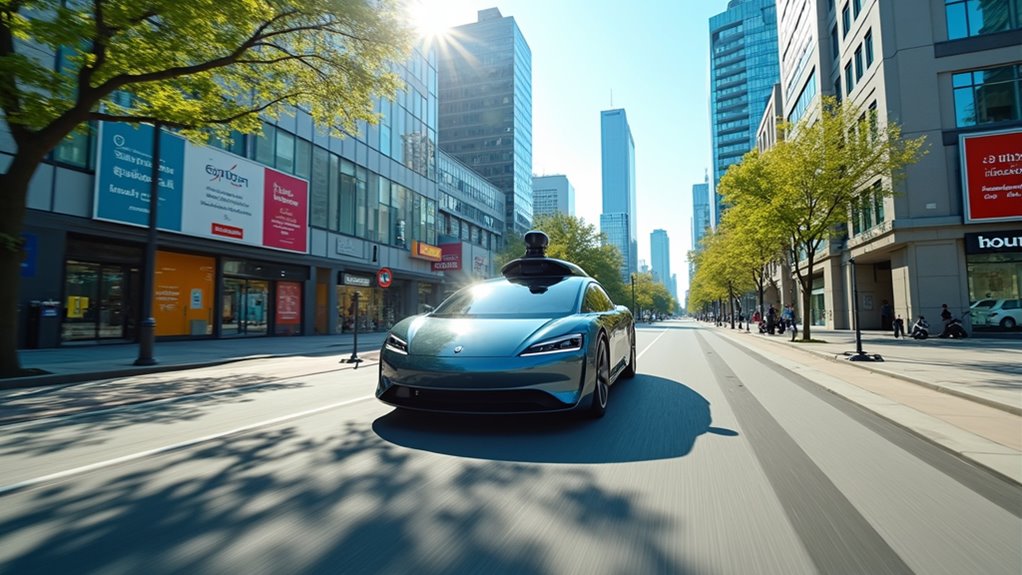
Self-driving cars are zooming toward the future, and the motor insurance market is bracing for a seismic shift. The landscape is changing, folks. They say personal auto insurance could vanish in just 20 years. Yes, gone. Instead, liability might fall on manufacturers. Imagine that—car makers and software developers footing the bill when things go haywire. Say goodbye to your premium payments and hello to corporate liability!
Now, commercial auto insurance isn’t safe either. If 20% of vehicles switch to product liability and cyber coverage, that’s a whopping US$7 billion loss annually. Ouch! But hold on; the costs are expected to plummet. From $0.50 per mile in 2025 to just $0.23 by 2040. That’s a serious drop. And let’s be real—who wouldn’t want to save on insurance?
Commercial auto insurance faces a potential $7 billion loss, but costs could plummet from $0.50 to $0.23 per mile by 2040!
But it’s not just about the dollars and cents. The global self-driving car market is projected to hit a staggering $300 billion by 2030. That’s a lot of zeros! With robotaxis on the rise, traditional auto policies may become relics of the past. Fewer people owning cars means even less demand for those old-school insurance plans. Additionally, the rapid growth of the self-driving car market is driven by technological advancements that enhance safety and efficiency.
Liability is shifting too. It’s no longer just about who was behind the wheel. A Level 4 or 5 autonomous vehicle could make the driver as relevant as a flip phone. Accidents could stem from software glitches, GPS failures, or even cyberattacks. Get ready for more litigation as courts try to untangle who’s really at fault when tech goes wrong.
On the flip side, the elimination of human error could reduce road accidents by 90%. That’s huge! Lower premiums could be on the horizon. But in the meantime, insurers are stuck between a rock and a hard place. They’ll see modest growth in premiums for the next 10-15 years, despite the lower crash frequency.
And don’t forget about new risks. Cyber coverage for network outages is the new kid on the block. Failing sensors? GPS quirks? Manufacturers might not cover those in your traditional policy. Driving-related injuries constitute approximately 25% of workers’ compensation claims, and reduced accident frequency from autonomous vehicles could improve workers’ comp profitability. Commercial fleets will need hefty liability limits, just in case things go south.
Regulations are also jumping into the mix. California wants a cool $5 million bond just to test autonomous vehicles. Texas is regulating them like regular cars. Insurers need to adapt, too. Telematics, hybrid policies, and partnerships with automakers are the future.
The insurance landscape is changing, and it might just be the ride of a lifetime.