
Design Highlights
- Severe storms from March 10 to 12, 2026, caused significant damage across central and eastern U.S. states.
- Initial insured loss estimates from the storm are projected in the low to mid-single-digit billions.
- Economic losses are expected to exceed insured losses by 20-25%, complicating insurer finances.
- The storm’s impact may erode reinsurance market structures and raise catastrophe bond attachment levels.
- Insurers face ongoing challenges as the peak severe storm season begins, with potential for rising losses.
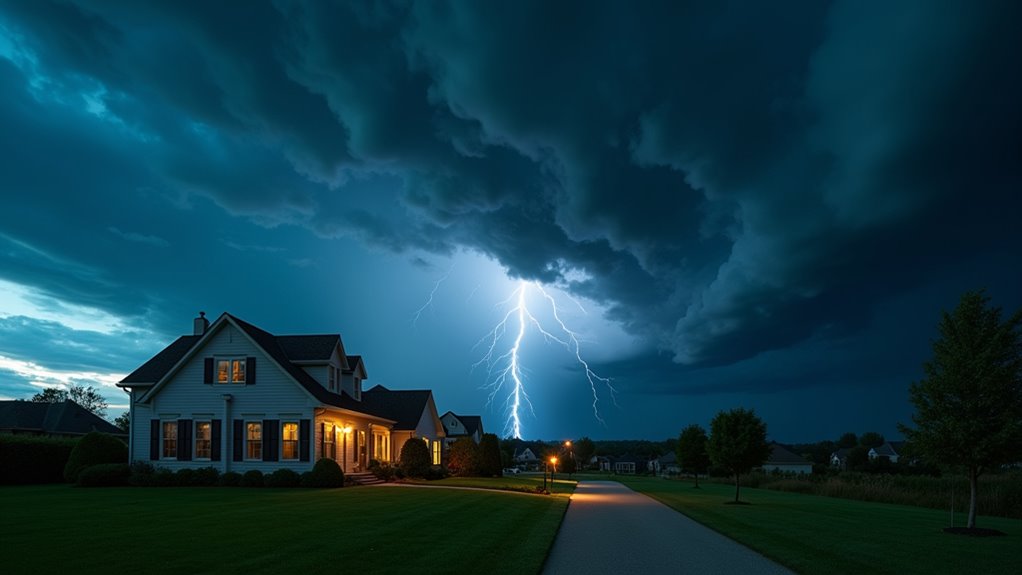
March storms released chaos across the central and eastern United States, leaving insurers bracing for a financial hit. From March 10 to 12, 2026, a severe convective storm outbreak wreaked havoc across more than a dozen states. Tornadoes, violent and damaging, tore through multiple regions. And let’s not forget the hail—massive, baseball-sized chunks of ice that pummeled cities like Chicago, Kansas City, and Oklahoma City. These weren’t just a few ice cubes; they were the kind of hail that makes you question your life choices—if you’re standing outside, that is.
Initial estimates suggest insured losses could hit the low to mid-single-digit billions of dollars. Yikes! This storm event is shaping up to be the most impactful SCS (that’s Severe Convective Storm, for those not in the know) incident of 2026 so far. But wait, there’s more. Total economic losses might be 20-25% higher than those insured losses.
So, while insurers might breathe a slight sigh of relief, they’re still holding onto their wallets tightly. March marks the start of peak SCS season in the U.S., and boy, did this storm not hold back. March, April, May, and June account for a whopping 72% of all U.S. SCS insured losses since 2010. Additionally, as record insured losses from non-peak perils reached $98 billion, the financial landscape for insurers is becoming increasingly precarious.
So, here we are, watching history repeat itself while crossing our fingers for a calm spring. Spoiler alert: it’s not looking good. If you think hail is just a pesky nuisance, think again. The recent outbreak documented record-breaking hail damage across numerous communities.
And yes, that hail drove extensive losses across residential, commercial, and auto policies, making it a nightmare for insurers. Wind damage? Oh, it was there too, contributing to the overall destruction. This storm isn’t just a blip; it’s a multi-billion dollar insurance loss event that’s going to rattle the reinsurance market. Compounding these challenges, health insurance premiums are projected to rise 8% to 9% in 2025, further straining household budgets already battered by storm-related losses.
Expect some serious ramifications. Aggregate deductible layers? They might just get eroded. Catastrophe bond transactions might experience erosion in attachment levels as reinsurers across the board are going to feel the stress from this catastrophic event. In the grand scheme of things, this outbreak is another glaring reminder of the rising storm losses.
The trend isn’t going anywhere, and neither are the financial implications. Buckle up, because the storm season is just getting started, and it looks like it’s going to be a rough ride.