
Design Highlights
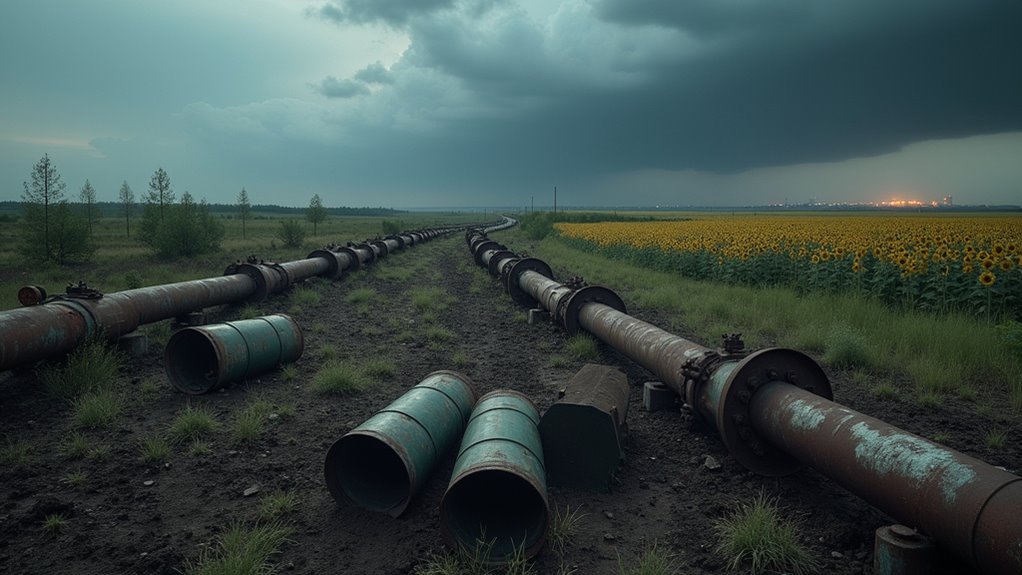
- Hungary and Slovakia are blocking the EU’s new sanctions on Russia, citing the offline status of the Druzhba oil pipeline.
- Hungary has vetoed the EU’s sanctions package, demanding the resumption of oil deliveries before agreeing to new measures.
- Accusations from Hungary and Slovakia suggest Ukraine is delaying pipeline repairs, which Ukrainian officials strongly deny.
- Hungary’s veto has halted a €90 billion emergency loan for Ukraine, raising concerns among EU leaders about unity and support.
- The standoff highlights vulnerabilities in EU cohesion, with rising tensions over the impact of prolonged conflict in Europe.
Hungary and Slovakia are throwing up roadblocks in the EU’s attempt to slap fresh sanctions on Russia. The situation has escalated into a rather dramatic standoff, with both countries citing the Druzhba oil pipeline‘s offline status as a major sticking point.
Since late January 2026, this key conduit has been out of commission due to reported Russian strikes on Ukrainian energy infrastructure. Yet, instead of pointing fingers at Moscow, Hungary and Slovakia have accused Ukraine of deliberately delaying necessary repairs. It’s a classic case of blaming the victim, and Ukraine has flatly rejected these accusations.
Hungarian Prime Minister Viktor Orbán claimed that Kyiv was withholding supplies, but he didn’t provide any evidence to back that up. It’s almost as if he thinks a baseless allegation is enough. The interruptions in Russian crude deliveries are not just inconvenient; they affect both nations directly. In a surprising twist, Hungary has vetoed the EU’s 20th sanctions package against Russia unless oil deliveries resume. Slovakia quickly jumped on the bandwagon, making it a duo of obstruction.
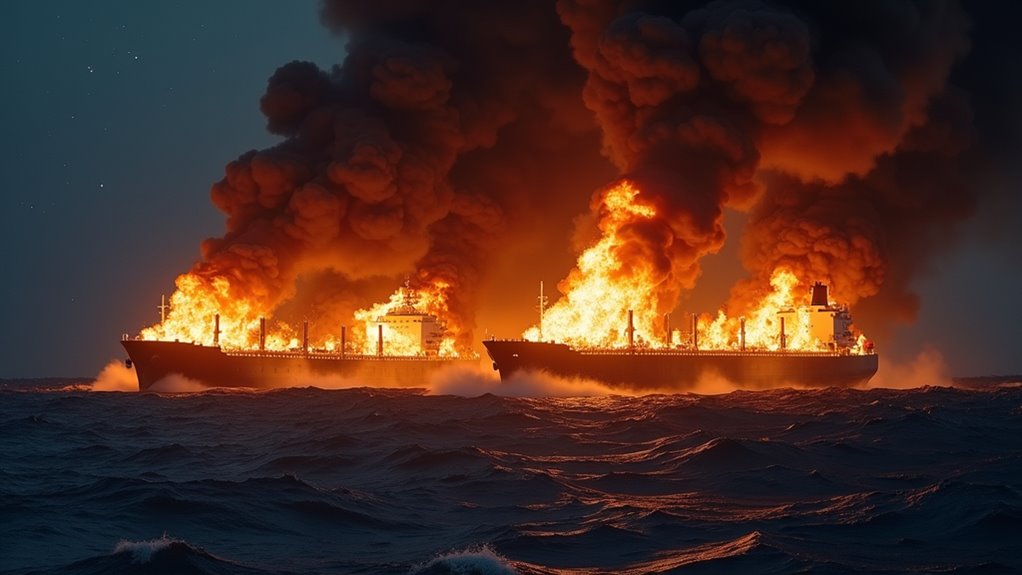
The sanctions package aimed to target Russia’s shadow fleet operations and included a maritime services ban, which would restrict EU companies from servicing vessels carrying Russian petroleum products. The goal was clear: to choke off the critical energy revenues that fuel the Kremlin’s military endeavors. But with Hungary’s veto, the package remains stuck in limbo.
Orbán even blocked a €90 billion emergency loan for Ukraine, which had been tentatively agreed upon months earlier. Talk about kicking a country while it’s down.
Responses from EU leadership have ranged from regret to astonishment. Kaja Kallas, the EU’s foreign policy chief, called the situation a “setback,” while German Foreign Minister Johann Wadephul expressed disbelief at Hungary’s position. Estonia’s Foreign Minister put the blame squarely on Russia, stating the responsibility for the pipeline’s closure lay there, not with Kyiv.
Meanwhile, Poland’s top diplomat labeled Hungary’s stance as “shocking,” further highlighting the frustrations surrounding the lack of consensus among EU member states. As tensions heighten, the EU is pushing for new economic sanctions against Moscow, underscoring the urgency of the situation.
Despite the stalled agreement, the majority of EU member states remain committed to supporting Ukraine. Existing sanctions against Moscow are set to extend until February 2027, while work on a new sanctions package continues. Diplomatic efforts are ongoing, but Hungary’s veto has cast a long shadow. Much like how employer-sponsored coverage costs are expected to rise by 9% in 2025, the financial pressures of prolonged conflict continue to mount across Europe.
The geopolitical implications are significant, with Hungary now seen as the EU’s most Russia-friendly member. The showdown over oil transit isn’t just a minor hiccup; it’s a serious test of unity within the bloc.