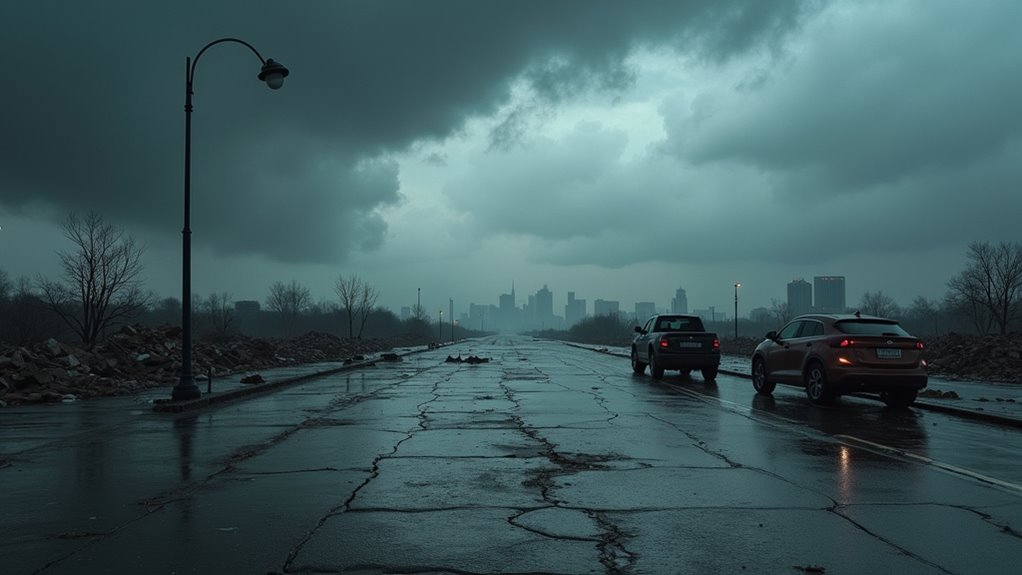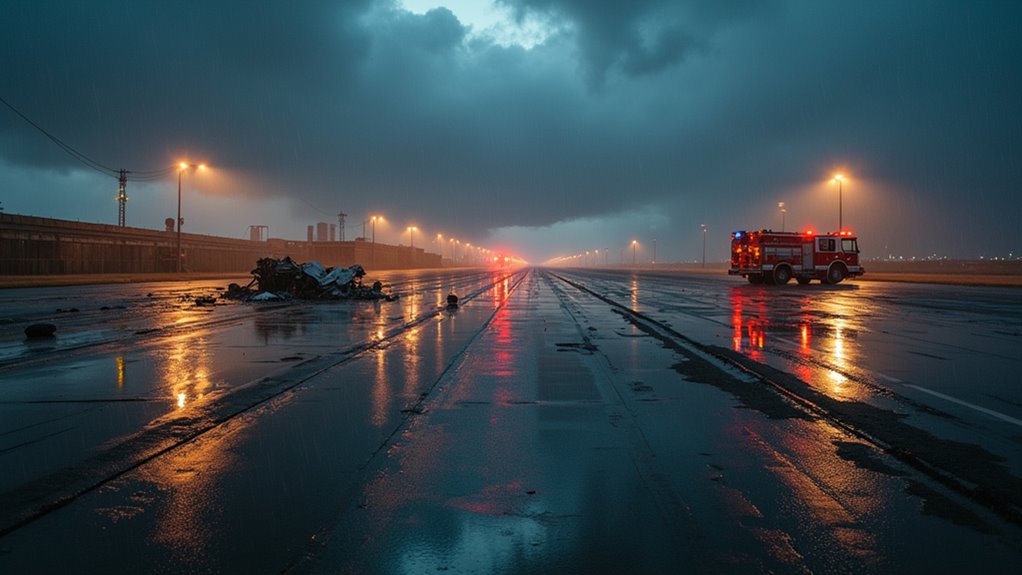
Design Highlights
- Wildfires in Los Angeles alone resulted in insured losses between $40 billion and $41 billion, significantly contributing to the overall total.
- Severe storms, classified as the costliest peril this century, caused $61 billion in insured losses due to extensive property damage.
- Floods contributed $98 billion in insured losses, exacerbating financial devastation and highlighting issues of underinsurance in affected regions.
- The combined impact of these disasters accounted for approximately one-third of total insured losses, emphasizing their severe economic consequences.
- Overall, climate change trends have led to increased frequency and intensity of these disasters, driving up insured losses substantially.
In 2025, while the world continued to grapple with climate change, natural disasters wreaked havoc, leaving a trail of destruction and staggering financial losses. The wildfires, floods, and severe storms were not just minor inconveniences; they were colossal events that collectively drove a whopping $88 billion in insured losses. Yes, you read that right—$88 billion. That’s not pocket change, folks.
The wildfires in Los Angeles were particularly cruel. Those flames didn’t just dance; they devoured everything in their path, resulting in total losses estimated between $53 and $58 billion. Insurers were left to handle $40 to $41 billion of that, marking it as the costliest wildfire event on record. Talk about a fiery wake-up call. With 30 lives lost, the human toll was not just a number—it was a tragedy that hit hard. This disaster alone accounted for about one-third of the total insured losses for the year. Furthermore, the total damage from 2025 wildfires is estimated to be between USD 250 billion and USD 275 billion, highlighting the extensive economic impact beyond just insured losses.
Then came the severe storms. Severe convective storms (SCS) decided to crash the party, racking up $61 billion in insured losses. These storms have become the costliest insured peril of the 21st century, surpassing even tropical cyclones. March thunderstorms in the U.S. were particularly vicious, causing $9.4 billion in total losses. Severe convective storms have also been responsible for economic losses across Europe, the Middle East, and Africa. It’s like Mother Nature was playing a game of “who can create the most chaos?” And guess what? She won.
Floods weren’t about to be left out of the disaster mix. Contributing $98 billion in insured losses, they teamed up with wildfires and storms to create a perfect storm of financial calamity. Non-peak perils like floods and SCS had a field day, exceeding 10-year averages. European floods added $10 billion to the fun, while severe flooding in South and Southeast Asia showcased the dire situation of underinsurance.
All in all, 2025 was a rough year. Natural disasters claimed the lives of 17,200 people globally, which is higher than the previous year but still below the 10-year average. Extreme heat was another silent killer, causing around 25,000 fatalities. With climate change ramping up, the likelihood of these disasters only seems to climb. The cascading effects extended beyond natural disasters, as auto insurance costs nationwide experienced dramatic increases, with the average full coverage policy reaching $2,101 annually.