Design Highlights
- Take advantage of less competition by exploring homes during winter when fewer buyers are active in the market.
- Focus on properties with inviting staging that showcases warmth and comfort, appealing emotionally to potential buyers.
- Leverage motivated sellers who may be more open to negotiating prices and terms during the winter months.
- Benefit from faster transaction processes due to increased availability of lenders and inspectors, leading to smoother closings.
- Consider the financial advantages, such as avoiding inflated spring prices and prioritizing energy-efficient homes to save on heating costs.
Buying a home in winter might seem like a crazy idea, but it actually has its perks. While most people are busy hibernating or fighting over the last pumpkin spice latte, serious buyers are out there. Fewer homes are listed in winter, which means less competition. Yes, that’s right—no crazy bidding wars over that cute bungalow. With fewer homes on the market, a buyer’s options might be limited, but the visibility of the properties available goes up. It’s like being the last slice of pizza at a party. You’re gonna get eaten, but only if it’s worth it.
Winter home buying may seem wild, but with less competition, serious buyers can shine brighter than ever!
What’s more, winter buyers tend to be motivated. They’re not just window-shopping; they’re ready to make a move. These folks are often relocators or downsizers, so they come with serious intent and usually stronger offers. Forget about those annoying contingencies.
In early 2026, the scales may tip slightly toward buyers, who will see a modest rise in home sales, according to the NAR. A 14% increase in nationwide sales sounds pretty good, right? Additionally, with inventory projected to increase by 8.9% in 2026, buyers will have more options to choose from as the market stabilizes.
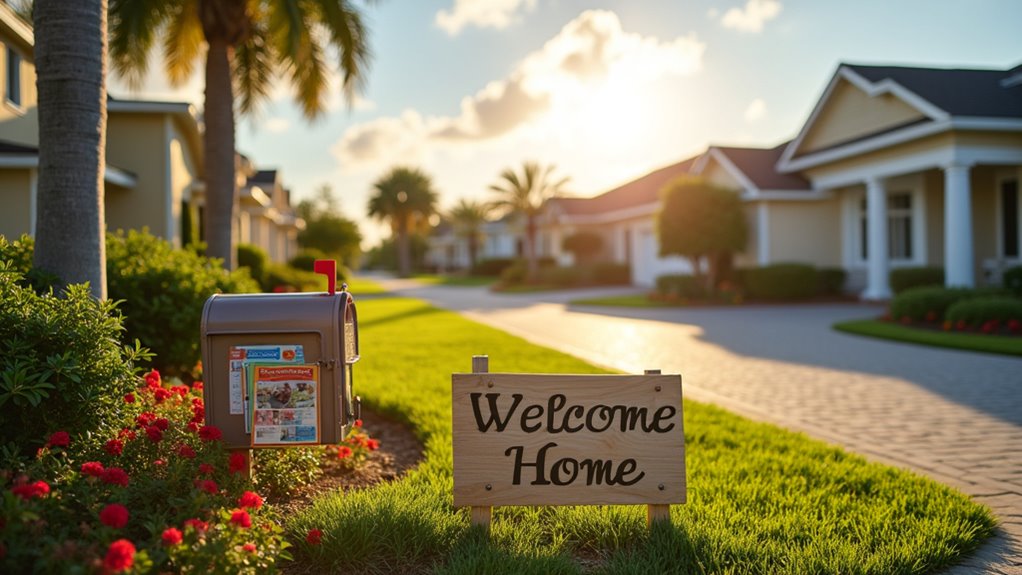
Let’s talk staging. Homes in winter can look inviting, especially with cozy decor. Warm lights, rich textures, and a well-maintained interior can pull on the heartstrings. Who doesn’t want to curl up in a space that feels like a warm hug when it’s freezing outside?
Plus, energy-efficient features become real selling points. Buyers want to know they won’t freeze their tails off come January. Once you close on your new home, budget for homeowners insurance costs, which average around $2,424 annually for $300,000 in dwelling coverage.
Pricing? Oh, it’s favorable for buyers! With motivated sellers, homes are more competitively priced. There’s no spring frenzy to inflate those prices, making it easier to snag a deal. Seattle’s median home price dropped to $785,000 in December. That’s a good sign for buyers who want to make a move before the market heats up again.
Transactions can also happen faster in winter. Lenders, inspectors, and attorneys are more available, meaning fewer delays—yay for efficiency! With fewer overall transactions, the process is smoother.
Add in the predicted inventory growth in 2026, and it’s clear: winter can be a savvy time to buy.