Design Highlights
- Lemonade’s innovative policy for Tesla FSD users offers a 50% reduction in insurance rates, creating a competitive edge in the market.
- The company’s focus on telematics and data allows for precise risk pricing, enhancing profitability amid the rise of autonomous vehicles.
- By targeting intermittent FSD use in mixed household vehicles, Lemonade adapts to the evolving driving landscape and consumer needs.
- As accident frequencies drop with self-driving cars, Lemonade can benefit from fewer claims while maintaining involvement in claims processing.
- The growing acceptance of autonomous vehicles presents Lemonade with a unique opportunity to develop tailored insurance products for consumers.
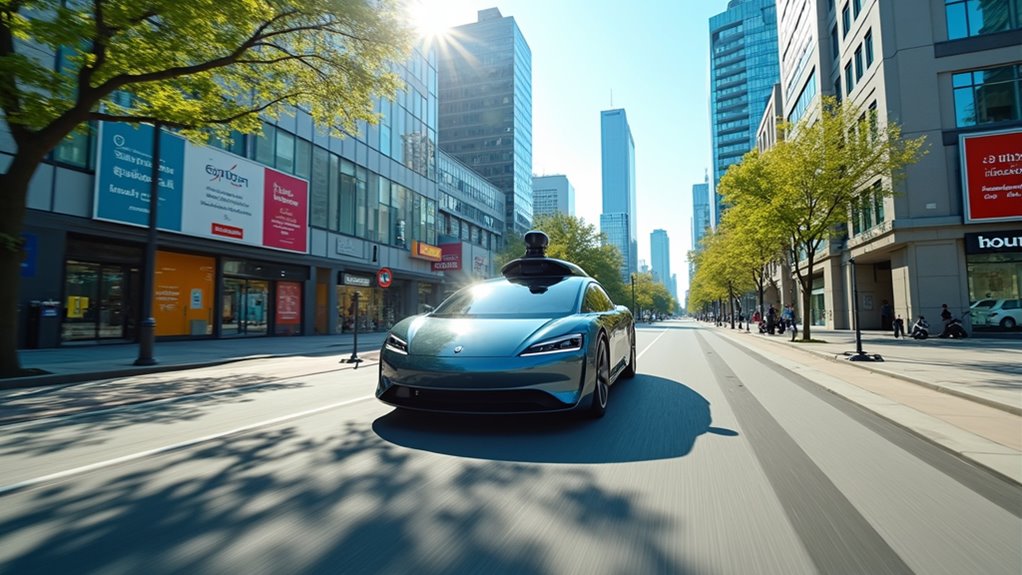
Self-driving cars are cruising into the future, and with them comes a whole new world of insurance opportunities. The traditional auto insurance market, a hefty $400 billion in the U.S., is about to get a serious makeover. Why? Because liability is shifting from drivers to the automakers and tech developers. Finally, personal auto insurers can breathe a sigh of relief. They won’t be drowning in liability coverage losses anymore. Instead, commercial carriers will bear the brunt of increased liabilities. Goldman Sachs even predicts that fewer accidents will lead to a major shake-up in the industry. Fewer fender benders? Sign me up!
Self-driving cars are reshaping the $400 billion auto insurance market, shifting liability from drivers to automakers and sparking exciting new opportunities!
But wait, it gets better. According to BofA analysts, autonomous vehicles are set to boost insurer profitability. How? By shifting the financial burden from personal lines to commercial insurance. Insurers will still get to play in the claims processing sandbox but without the heavy liability weight on their shoulders. With the prospect of fewer accidents, the frequency of claims will drop. That means more money for the insurers. Who doesn’t love a good profit boost?
And speaking of growth, the global self-driving car insurance market was worth $22 billion in 2022, but it’s projected to skyrocket to $88.1 billion by 2032. That’s a 15.3% annual growth rate. The autonomous driving market? It’s expected to hit $300 billion by 2030. As consumers start to embrace these advanced vehicles, the demand for tailored insurance products is only going to rise. This is especially relevant as technological advancements play a crucial role in market expansion.
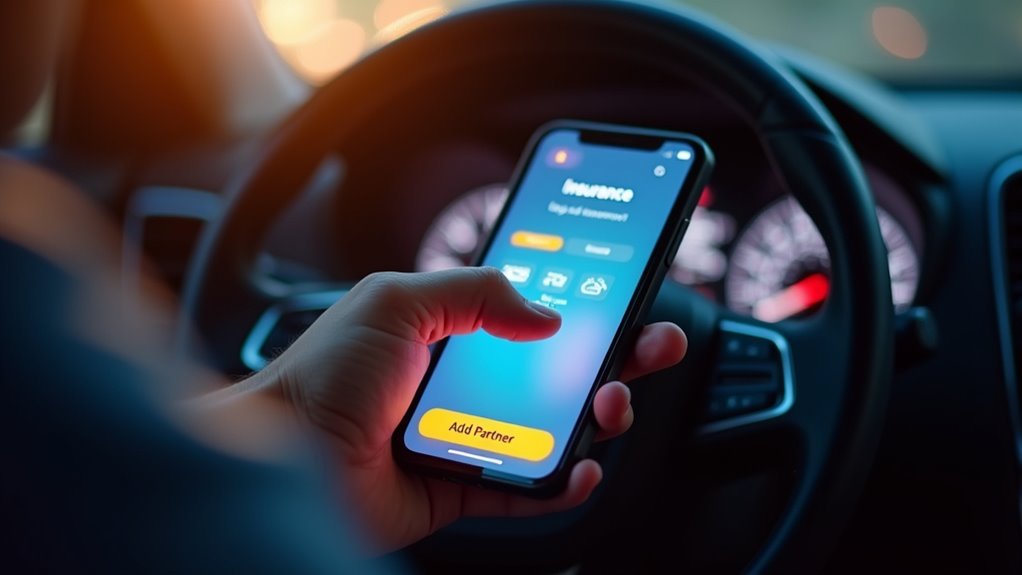
Enter Lemonade, the new kid on the block. They’ve launched a policy specifically for Tesla Full Self-Driving (FSD) users. And they’re not just playing around; they’ve cut insurance rates by 50%. That’s a game changer. Their rollout starts in Arizona, then Oregon. They’ve even cracked the code to cover intermittent FSD use in mixed household vehicles. Lemonade’s approach mirrors their success in other insurance sectors, where they’ve established themselves as a provider of affordable all-around policies for diverse coverage needs.
With telematics and data usage, Lemonade incorporates Tesla’s software and sensor data into usage-based models, making risk pricing more precise. They’re not just throwing darts in the dark anymore. By 2029, there will be 203 million connected car drivers in the U.S. That’s a goldmine for insurers. The insurance industry is monitoring advancements in autonomous mobility closely, which adds to the excitement around this evolving market.
Sure, there are regulatory and liability challenges. Determining fault in mixed human-software scenarios is messy. But that’s a small price to pay for the future. Vehicle automation is progressing, and consumer familiarity with autonomous insurance is growing. Levels 3 and 4 might still be niche, but the future looks bright. Buckle up; it’s going to be a wild ride!