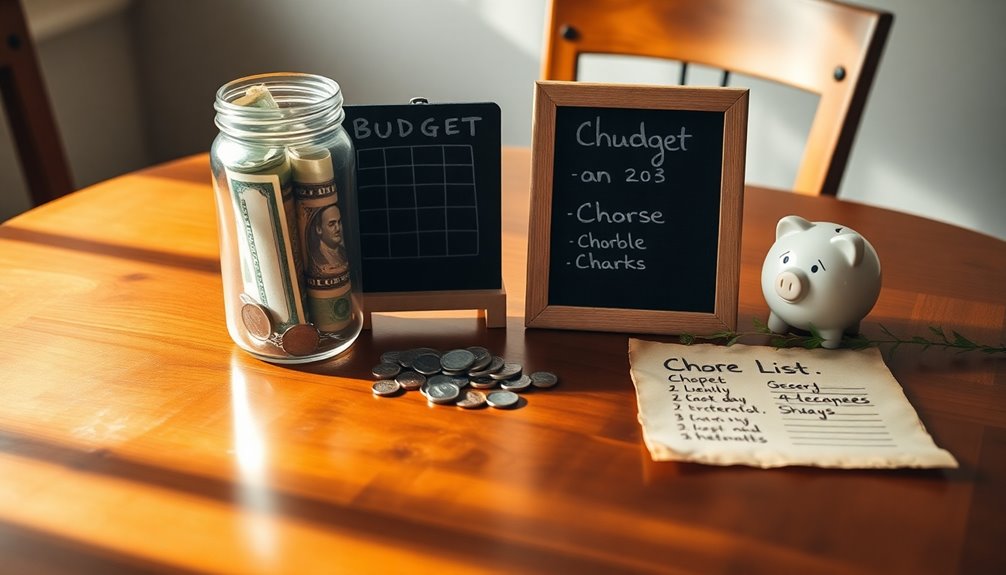

Design Highlights
- Tracking every expense for 30 days illuminated spending habits, revealing areas for potential savings.
- Setting specific savings goals transformed saving into a clear, actionable mission with deadlines.
- Implementing the 50/30/20 budgeting rule provided a balanced approach to managing needs, wants, and savings.
- Automating savings and prioritizing them as fixed expenses ensured consistent progress toward financial goals.
- Utilizing practical techniques like meal planning and bulk buying made cost-saving efforts effortless and effective.
Saving real money isn’t just a dream; it’s a game changer. It’s that lightbulb moment when someone realizes that tracking every penny isn’t just a chore—it’s a lifeline. Imagine this: a spreadsheet filled with coffee runs, cash tips, and all those “just one more” impulse buys. Organizing expenses into neat categories like gas, groceries, and mortgage suddenly makes those mysterious charges on the bank statement less intimidating. It’s a wake-up call.
Logging every single purchase for 30 days? Sure, it sounds tedious, but it’s eye-opening. People quickly learn where their money disappears. Spoiler alert: it’s often in nonessentials like dining out and entertainment. Tracking spending can reveal surprising insights into your financial habits.
Next comes goal-setting, because what’s the point of saving if there’s no target? Setting specific savings goals with timelines makes it all real. Want that $8,000 vacation? Start saving $667 a month. Easy, right? It’s more than just dreaming. It’s naming those goals—emergency fund, college, retirement. Prioritizing is key. Emergency funds before that shiny new car. Saving isn’t just about cutting back; it’s about focusing on future needs.
Goal-setting transforms saving from a vague notion into a tangible mission—prioritize wisely and watch your future unfold!
Then there’s budgeting. Establishing a budget is like creating a roadmap. The 50/30/20 rule? It’s simple: 50% on needs, 30% on wants, and 20% on savings. Yes, savings count as a fixed expense. Budgeting can feel like a prison sentence, but it’s liberating. Including savings as part of monthly financial planning ensures you’re always working toward your goals. Cash and envelopes? Absolutely. When the cash is gone, the spending stops.
Automating savings takes the effort out of it. Setting up automatic transfers is like setting up a safety net. Pay yourself first? Genius. Round up purchases and stash the difference in savings. It’s painless.
Now, let’s talk about cutting expenses. Cancel those unused subscriptions. Seriously, they’re like tiny leeches on your wallet. Nonessentials? Limit them. The 24-hour rule for impulse buys is a lifesaver. Review expenses monthly? Definitely.
Meal planning is another gem. Weekly meals mean fewer takeout temptations. Generic brands and bulk buying? It’s a no-brainer. The rising food prices are a harsh reality check, but planning helps.
Finally, saving coins might sound silly, but it adds up. Challenge yourself: save a dollar week one, and by week 52, you’ve got $1,378. Bundling home and auto insurance policies alone can save homeowners between $521 to $1,429 annually, proving that small financial decisions compound into serious savings. It’s all about small changes that lead to big wins. With a pinch of discipline and a sprinkle of humor, saving real money doesn’t just become possible; it becomes a lifestyle.