Design Highlights
- Geopolitical instability is forcing companies to abandon traditional planning, shifting towards agile decision-making to adapt to rapid changes.
- The rise of techno-nationalism complicates international operations, as countries impose stricter controls on digital infrastructure and compliance.
- Supply chain risks have intensified, with businesses needing to diversify suppliers and rethink inventory strategies to mitigate disruptions.
- Trade restrictions and tariff weaponization are now standard considerations in corporate negotiations, shaping strategic planning and decision-making processes.
- Scenario modeling has become essential for evaluating risks associated with geopolitical shocks, helping companies navigate an increasingly unpredictable environment.
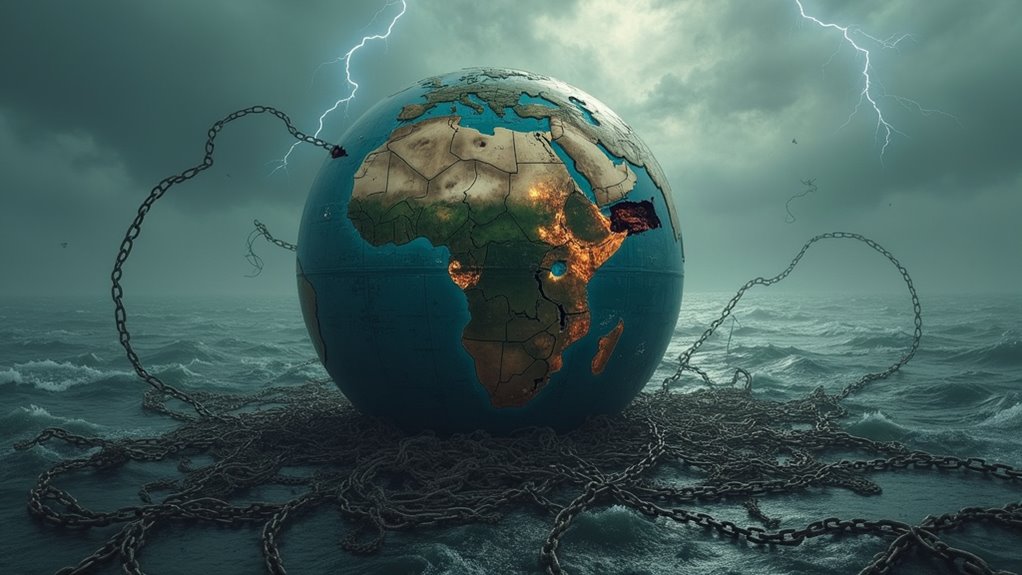
In today’s world, geopolitical chaos is an everyday reality. Corporate decisions are caught in a tangled web of uncertainty. Long-standing alliances are crumbling, and international institutions? Well, they’re barely holding it together. Transactional diplomacy has turned security commitments and trade agreements into mere bargaining chips. What used to be rock-solid deals are now up for negotiation, and that makes businesses jittery.
Regional powers are flexing their muscles, emboldened by the unpredictability that surrounds them. They see a chance to act boldly. Why not? If the big players are playing fast and loose, why shouldn’t they? This volatility isn’t just an annoying backdrop; it’s the new normal. Global business strategies must now account for this chaos. Companies are realizing that stability is a thing of the past. Sudden policy changes? Check. Regulatory divergence? Absolutely. Selective market access? That’s just par for the course. It’s a wonder anyone can keep their head above water.
Regional powers are seizing the moment, thriving in chaos. Stability is history; businesses must navigate a turbulent new normal.
Then there’s the digital landscape, which is no picnic either. Techno-nationalism is on the rise. Countries are tightening control over digital infrastructure and AI systems. Europe is actively working to reduce U.S. tech dominance. Closed ecosystems are cropping up, limiting external access and creating a fragmented digital nightmare. This technological competition makes compliance and security standards change from market to market, making it feel like trying to dance with two left feet.
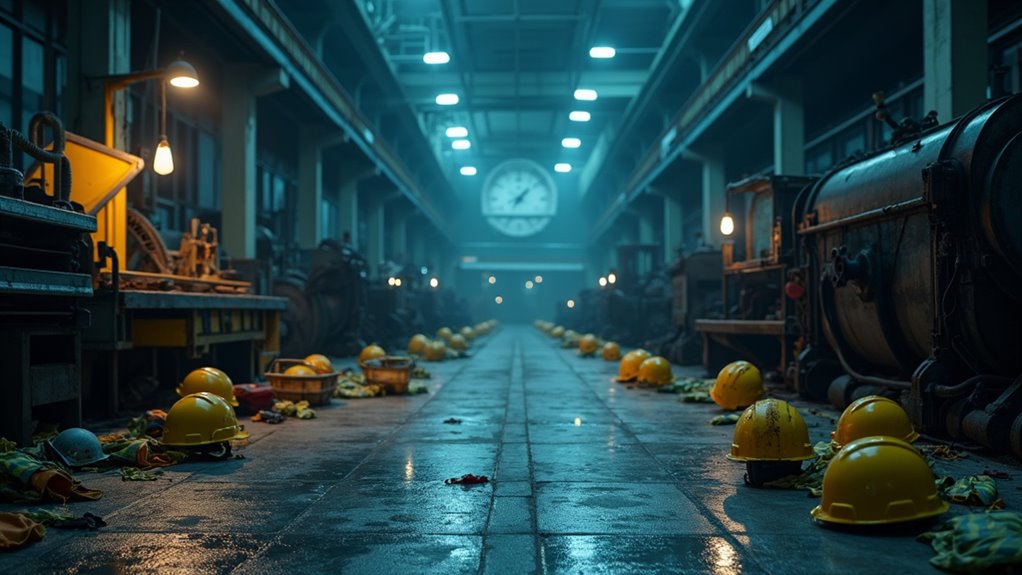
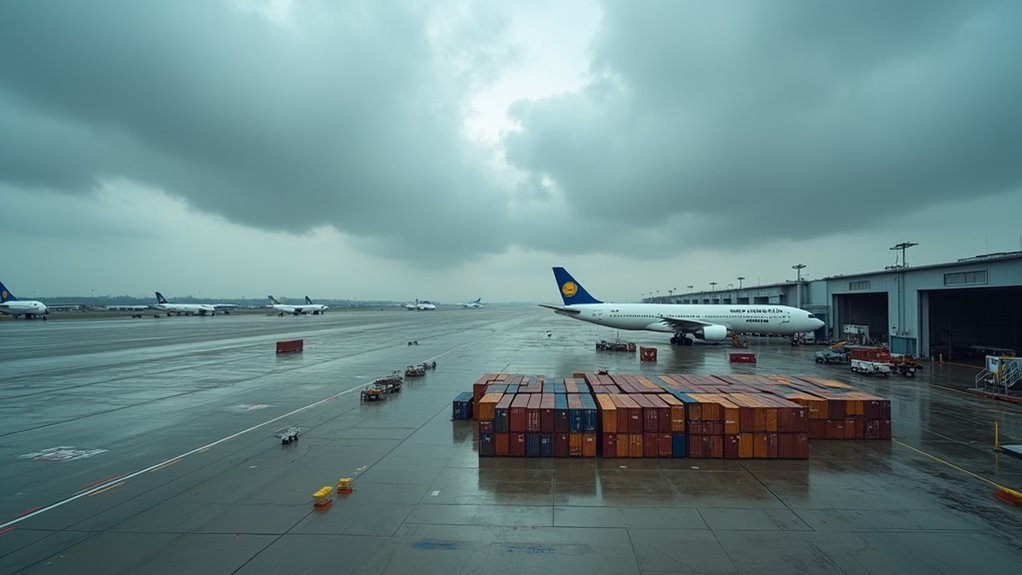
Let’s not forget about supply chains. The pre-2020 model of concentrated sourcing has imploded. Relying on single-source suppliers? That’s a recipe for disaster. Long supply chains are now riddled with risks. Just-in-time inventory? More like just-in-time panic. Geopolitical shocks are the number one global risk, and companies are scrambling to adapt. Strategic prioritization in AI investments is more crucial than ever as businesses seek to navigate this tumultuous landscape effectively.
Traditional strategic planning has become a joke. Five-year plans? Please. They’re obsolete in months. Long-term investments are often derailed by sudden policy changes. It’s enough to make one’s head spin. Organizations can’t just react; they need direction, even amid radical uncertainty. Smart companies are now evaluating industry-specific vulnerabilities to understand which risks will hit them hardest in this unpredictable environment.
Before signing those international contracts, companies better run some serious scenario modeling. Geopolitical shifts can turn objectives upside down in a heartbeat.
Tariff weaponization is the name of the game. Trade restrictions and sanctions are now standard fare. Companies are bartering for tariff relief like it’s a yard sale. Planning for tariffs and trade measures isn’t optional anymore; it’s a necessity. Welcome to the brave new world of corporate decision-making, where chaos reigns supreme.