
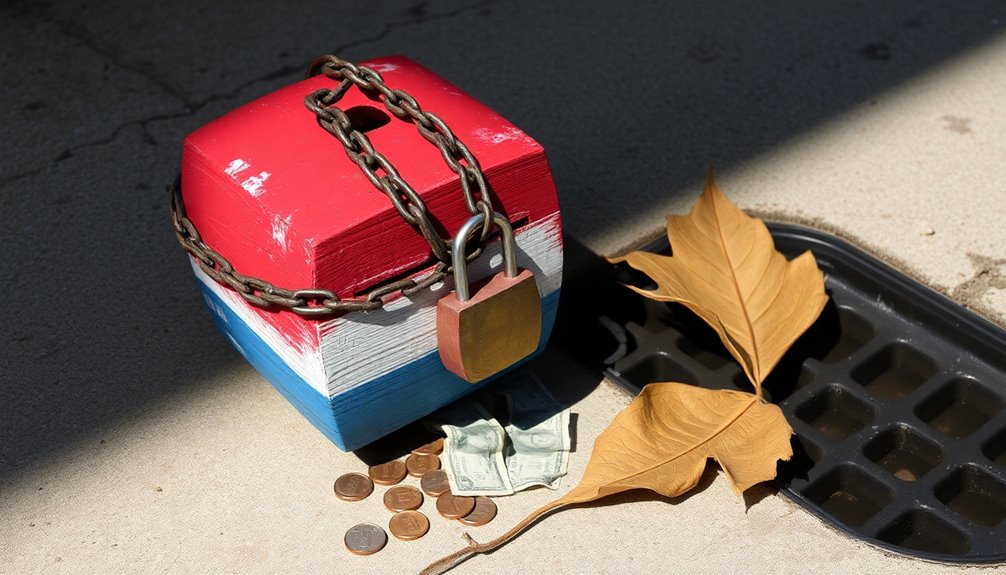
Design Highlights
- Track your spending to identify cash leaks and adjust your budget accordingly for better savings.
- Implement meal planning and cook at home to reduce grocery costs and promote healthier eating habits.
- Audit subscriptions regularly, cancel unnecessary ones, and rotate streaming services to save money.
- Negotiate rent and utility bills, and consider smaller living spaces to cut housing expenses.
- Use public transport or carpool to lower transportation costs and maintain your vehicle for longevity.
How does one actually save money in a world that seems hell-bent on draining every penny? It’s a maze out there, but there are frugal habits that can turn the tide.
First, track spending. Yes, it’s tedious, but knowing where the cash leaks happen is essential. Those five-dollar lattes? They add up.
Create a budget, too. Not just any budget, but a realistic one that divides income and expenses. Enter the 50/30/20 rule—50% for necessities, 30% for wants, and 20% for savings. Sounds simple? It is. But it requires commitment. Review that budget monthly. Adjust limits as needed.
Meal planning? A game changer. Cooking at home isn’t just healthier; it’s a wallet-saver. Plan meals weekly to cut down on grocery trips—less impulse buying means more cash in hand. Persistent inflation makes this habit even more crucial for stretching your dollar. Embracing a DIY mentality can also help you learn to make meals from scratch, saving even more.
Meal planning transforms your budget—cook at home, reduce impulse buys, and watch your savings grow.
Shop every three days for fresh food. It sounds excessive, but visual fatigue is real. Use what’s in the pantry and repeat simple meals. Seriously, who needs gourmet every night? Packing lunch three times a week can save a person $1,000 to $2,000 annually. Yes, please.
Subscriptions? The silent robbers of your budget. Audit them. Cancel those free trials the same day to avoid unexpected charges.
Rotate streaming services. Who needs them all, anyway? Downgrade phone plans after paying off that fancy device. Just cancelling two streaming services could save you $200 to $400 a year.
Shopping strategies are also essential. Use the 30-day rule for bigger purchases. If you still want it after a month, maybe it’s a keeper.
Wait 24 to 48 hours before buying non-essentials. Unsubscribe from retail emails. Seriously, those sales can suck you in. Switch to generic brands. You’ll hardly notice the difference, but your wallet will thank you.
Housing and utilities? Negotiate rent and bills. You’d be surprised how much you can save. DIY home maintenance saves cash, too. Adding a basic renters insurance policy can protect thousands in belongings for as little as $15 to $23 per month, making it one of the smartest low-cost financial safety nets available. If you’ve got extra space, rent it out. Smaller spaces mean smaller bills.
Transportation can drain funds as well. Buy slightly used cars and hold onto them longer. Use public transport or carpool. It’s a hassle, but so is watching money slip away.
Maintain your vehicle to extend its life.
In a world that’s always asking for more, these frugal habits could be the lifeline. Are you planning to stay broke? It’s time to rethink those choices.
—