
Design Highlights
- Most “free Medicare grocery card” ads are misleading, exaggerating benefits that do not exist universally within Medicare.
- Only specific Medicare Advantage plans may offer grocery allowances, not all Medicare enrollees qualify for these benefits.
- Misleading advertising tactics often pressure seniors, framing offers as new government benefits, creating confusion about eligibility.
- Many seniors may be misled into changing plans without understanding the potential trade-offs or limitations of these benefits.
- While legitimate benefits exist, they are often limited, and seniors should carefully read the fine print to avoid misunderstandings.
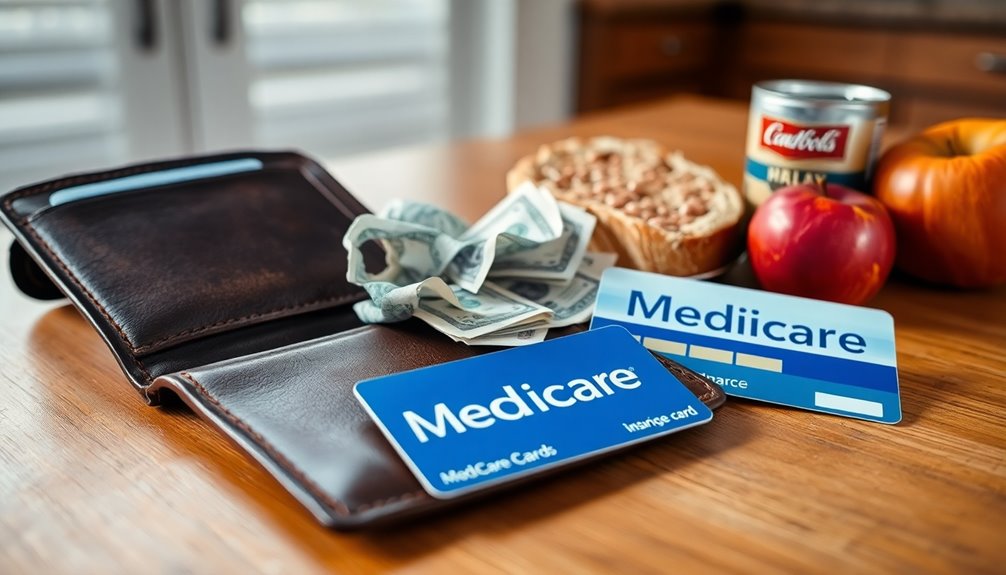
The buzz around “free Medicare grocery cards” has many seniors scratching their heads. What’s the deal with these ads claiming to offer free grocery money or flex cards? Sound too good to be true? Well, it usually is. These ads promise all sorts of goodies—$900 here, $3,000 there. But let’s get real. There’s no universal grocery benefit from Medicare itself. In fact, many of these claims are flat-out exaggerated or fabricated. It’s like a game of bait and switch, and seniors are the ones left holding the bag.
Beware of “free Medicare grocery cards”—these ads promise big, but the reality is often a confusing trap for seniors.
Many of these advertisements frame the offer as a new government benefit. Spoiler alert: it’s not. Medicare doesn’t send out grocery cards to all seniors. Sure, some Medicare Advantage plans might toss in a grocery allowance, but these benefits are not a federal entitlement. They’re plan-specific and often depend on factors like your specific Medicare Advantage plan or enrollment status. So, if you’re hoping for a golden ticket just because you’ve got a Medicare card, think again.
Those ads often imply that everyone on Medicare automatically qualifies for these benefits. That’s a big fat lie. The reality is that many seniors won’t qualify, and that’s why blanket advertising can be so misleading. Dual-eligible beneficiaries—those enrolled in both Medicare and Medicaid—might snag some decent grocery benefits, but that’s not the case for most. Plus, some perks are tied to specific plan enrollment or specific health conditions. It’s a complicated web, and many are left in the dark.
And let’s talk about the tone of these ads. Sensational wording and urgency scream “scam.” The pressure tactics like “act now!” or “don’t miss out!” are major red flags. They often blur the line between Medicare and private insurers, making it seem like optional perks are guaranteed benefits. They’re not. Misleading ads can push seniors into plan changes without fully understanding the trade-offs. That’s a recipe for disaster.
Legitimate benefits do exist, but they’re typically limited and tied to specific plans. They’re not universal cash cards for every senior. If you see a promise of automatic enrollment or huge grocery cards, chances are it’s false. The real kicker? Some valid benefits can be marketed in such a misleading way that you’re left wondering if you’ve been duped. Statistics show that 40% of small businesses are likely to face an insurance claim within 10 years, underscoring why understanding the fine print of any benefit or coverage—including Medicare plans—matters deeply. It’s a jungle out there, and seniors deserve clarity, not confusion.