
Design Highlights
- Four major insurers are involved in a $13 million lawsuit for underpayment of claims related to Hurricane Sally, highlighting issues in claims handling.
- The lawsuit reflects the chaos and instability in Florida’s hurricane claims process, exacerbated by high denial rates and increased litigation.
- Homeowners face significant financial strain, paying premiums much higher than the national average, and often receiving inadequate claim payouts.
- Denial rates for hurricane claims have risen sharply, with many homeowners experiencing denials leading to a surge in lawsuits post-tort reform.
- The ongoing turmoil in the insurance market raises concerns about the integrity of claims and the financial burden on Florida homeowners.
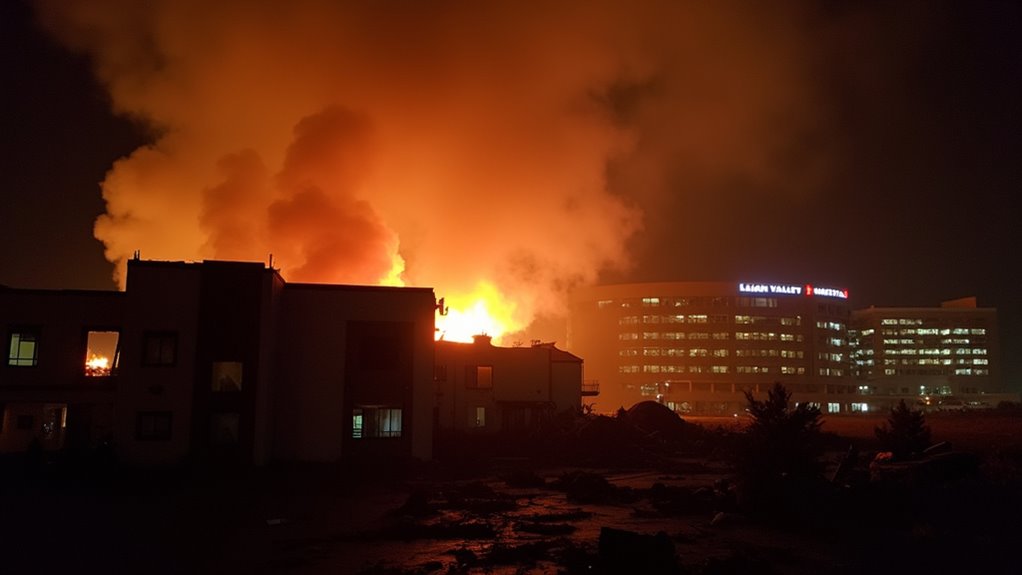
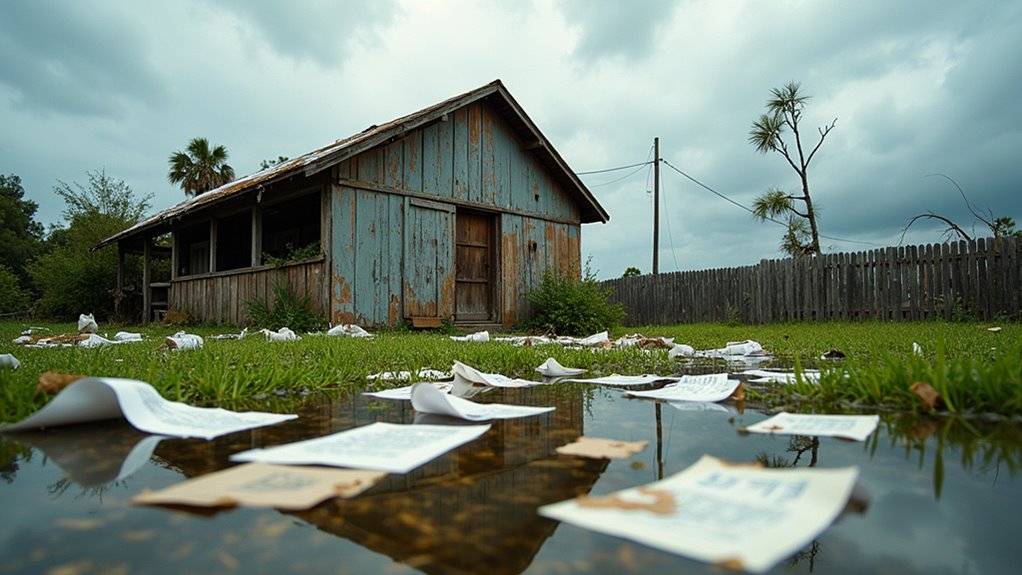
Florida’s hurricane claims landscape is a wild ride, and not in a good way. The chaos surrounding insurers has reached new heights, leaving homeowners in a lurch after disasters like Hurricane Sally. Recently, four major insurance companies found themselves embroiled in a $13 million lawsuit over underpayment claims. This has set off a firestorm of debates about the already shaky claims process in the Sunshine State.
Florida’s hurricane claims process is in turmoil, with homeowners facing chaos and insurers battling lawsuits over underpayments.
When Hurricane Helene struck, 32% of claims were closed without a dime being paid out. Hurricane Milton fared even worse, with a denial rate of 35%. That’s 129,348 claims left hanging. The trend is alarming. Denials jumped from 40% in 2022 to a staggering 46.7% in 2024, thanks to the tort reform passed in December 2022. Homeowners are feeling the crunch. Insurance claim denials have surged, leading many to question the integrity of the claims process. Florida homeowners pay an average of $3,303 more than the national average for insurance, making the stakes even higher.
Hurricane Debby was no picnic either; 68% of claims, 7,397 out of 10,900, went unpaid. It’s like a bad joke, and the punchline is always the same: no money for repairs.
And what do homeowners do when they get denied? They sue, of course! Lawsuit filings soared by 24% after the tort reform, and Florida policyholders filed 129 lawsuits for every thousand claims that were closed without payment in 2024. For context, that’s 12 times more than the national average. Nearly 13% of those denied claims ended up in court. It’s a litigious state of affairs, and the numbers don’t lie. Filing a hurricane damage claim may also trigger premium increases at policy renewal, especially when multiple claims occur in a short timeframe.
Then there’s the Heritage Insurance scandal, which sounds like something out of a thriller novel. They faced over $1 million in fines for claims handling violations. A whistleblower revealed that the company slashed claims by as much as 98%. Imagine having your $488,000 claim reduced to $13,000. That’s not just bad luck; it’s downright outrageous.
Meanwhile, Citizens Property Insurance, the state-run insurer, has over 18,000 lawsuits against it. They’ve managed to lobby for legislation that allows them to push cases to the Department of Administrative Hearings. It’s a slick move, but does it help the homeowners? Well, 78% of those cases ended in settlements, but at what cost?
As insurance premiums skyrocket—averaging $3,023 in 2024—homeowners are left holding the bag. With costs so high, it’s no wonder Florida’s homeowners are feeling frustrated and abandoned. The insurance market is more unstable than ever, and the storm isn’t just outside; it’s inside the claims offices too.