Design Highlights
- The cold snap in early 2026 severely impacted Florida’s citrus industry, causing significant frost damage across major growing regions.
- Citrus production is forecasted to hit a record low of 12 million boxes for the 2025-2026 season, exacerbating ongoing crises from citrus greening disease.
- Valencia oranges and grapefruit, sensitive to cold, are projected to see declines in production, further straining the market.
- Frost damage is also affecting winter vegetable crops, leading to higher prices and limited availability in fresh produce.
- Retailers may turn to imports from Mexico, but quality issues could arise due to smaller sizes and shorter shelf lives.
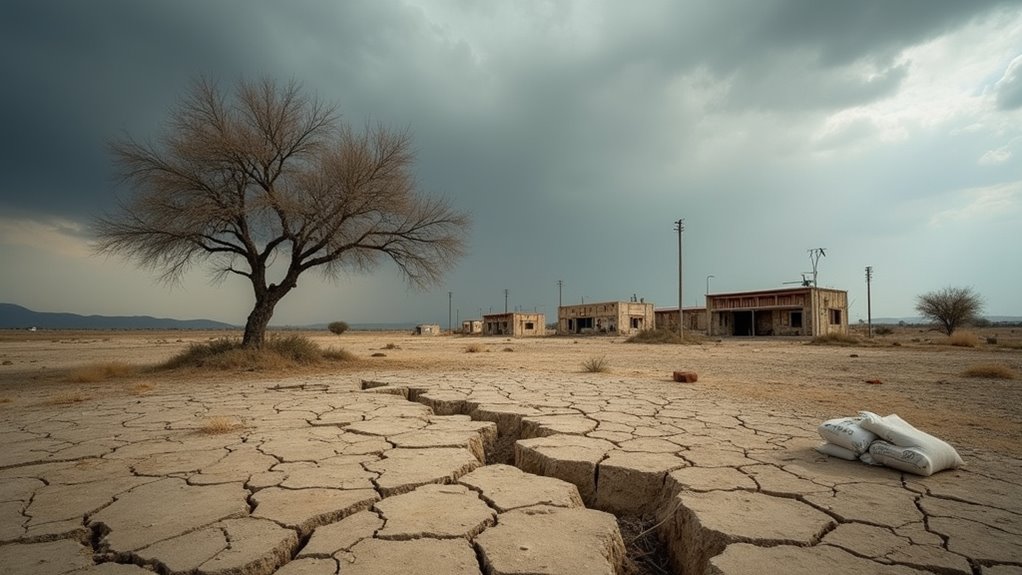
As if Florida’s citrus industry wasn’t already having a rough time, a cold snap in early 2026 has slapped it right in the face. This isn’t just a little chill; frost conditions are hitting all the way from Central Florida to the southern growing regions.
And let’s not forget the trees in North Florida and South Georgia—they’re already shivering in freezing temperatures, with forecasts dipping into the upper teens. The young trees and the outer edges of canopies are taking the hardest hits. Great.
Adding salt to the wounds, the state was already reeling from a production crisis. The forecast for the 2025-2026 season? A record low of just 12 million boxes. That’s what happens when citrus greening disease has been running rampant for decades. Last year’s harvest? Lowest in over a century.
And it’s not just the bugs to blame. Hurricanes and the rampant development of former groves have been less than kind.
Now, consider the variety of oranges at stake. Valencia oranges and grapefruit are more sensitive to low temperatures than their more resilient cousins, the mandarins. If the cold does further damage to these sensitive fruits, late-season volumes could be looking even worse than they already are.
Satsuma mandarins have some cold tolerance, but damaging temperatures are still between 26-28 degrees. That’s a tight window for survival.
The production losses are stacking up like a bad pile of laundry. Valencia oranges are estimated to drop to 4.5 million boxes, a 2 percent dip. Non-Valencian orangies are down 1 percent, totaling 7.5 million boxes.
Grapefruit? Forecasted to fall from 1.3 million to 1.2 million. Lemon production might give a glimmer of hope, with an increase from 670,000 to 700,000 boxes. But who are we kidding? It’s not enough.
And let’s not even get started on the winter vegetable crop. Frost damage is hitting snap beans, sweet corn, squash, and bell peppers. Leaf burn is a real issue, and if the crops are too exposed, the losses could be devastating. Overall vegetable production stability varies widely among different vegetables, making the situation even more uncertain.
Green beans, tomatoes, and peppers are projected to be tight supplies in the weeks ahead. So, buckle up for higher prices.
Retailers will likely scramble for imports, especially from Mexico. But as usual, quality will take a hit. Smaller sizes and shorter shelf lives are on the menu. Good luck finding fresh produce.
The cold snap has turned Florida’s citrus crop into a frigid disaster, pushing the industry and the power grid to the brink. States prone to natural disasters like Louisiana and Florida typically face elevated insurance costs, adding yet another financial burden to affected growers and residents. Florida’s citrus industry recorded its lowest numbers in over a century during the 2024/2025 season. What a time to be alive.